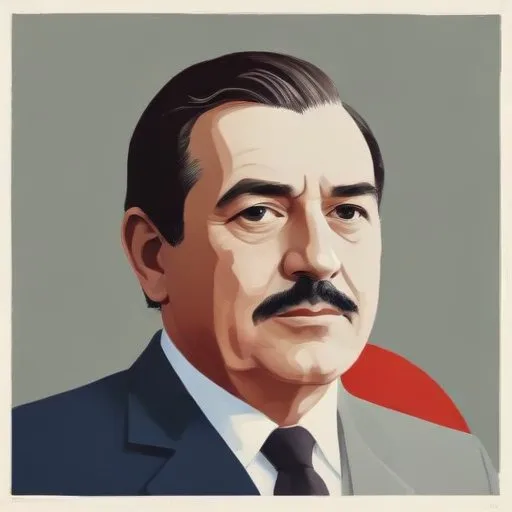
Pedro Montt: The Chilean President Who Shaped the Nation's Future
A Legacy of Progress and Controversy
Pedro Montt, the 15th President of Chile, served from 1906 until his untimely death in 1910. During his tenure, he implemented significant infrastructure projects, fostered economic growth, and left an indelible mark on Chilean history.
Early Life and Career
Born on June 29, 1849, in Santiago, Chile, Pedro Montt came from a prominent family. His father,
Manuel Montt Torres, was a former Chilean president, and his mother, Rosario Montt Goyenechea, was a member of the aristocracy. Pedro graduated in law from the National Institute in 1870 and began his political career as a member of the Chamber of Deputies in 1876. He rose through the ranks, becoming its president in 1885.
The Road to the Presidency
Montt's diplomatic skills and strategic thinking earned him a spot in the cabinet of President José Manuel Balmaceda. However, he later joined the 1891 revolution that overthrew Balmaceda, marking a turning point in his career. After the revolution, Montt served as an agent for the revolutionary junta and later as Minister to the United States.
A Presidency of Progress and Controversy
In 1906, Montt was elected president with a large majority, representing the National Union ticket. His administration focused on modernizing Chile's infrastructure, stimulating the production of nitrates and copper, and constructing a railway that spanned the country. While these projects brought economic growth, Montt's government neglected pressing social and labor issues, earning criticism from many.
A Patron of the Arts
One of Montt's most notable achievements was his support for the arts. In 1909, he authorized a ten-year grant for child prodigy pianist
Claudio Arrau to study in Europe. This gesture showcased Montt's appreciation for culture and his willingness to invest in Chile's artistic talents.
Later Life and Legacy
In 1910, Montt traveled to Germany for medical treatment, but unfortunately, he passed away on August 16, 1910, before he could return to Chile. His presidency was marked by both progress and controversy, leaving a complex legacy that continues to shape Chilean history.
Personal Milestones and Key Life Events
- 1849: Born in Santiago, Chile
- 1870: Graduated in law from the National Institute
- 1876: Elected member of the Chamber of Deputies
- 1885: Became president of the Chamber of Deputies
- 1891: Participated in the revolution that overthrew President Balmaceda
- 1906: Elected president of Chile
- 1909: Authorized grant for Claudio Arrau to study in Europe
- 1910: Passed away in Bremen, Germany
A Life of Accomplishments and Contrasts
Pedro Montt's life was a testament to his boundless energy, strategic thinking, and passion for progress. While his presidency was marked by controversy, he left an indelible mark on Chilean history, paving the way for future generations of leaders and artists.
FAQ
What was Pedro Montts role in Chilean politics?
Pedro Montt was a prominent Chilean lawyer and politician who served as the 15th President of Chile from 1906 to 1910. He implemented several reforms, including the creation of the Ministry of Labor and the establishment of a social security system.
How did Pedro Montts presidency impact the Chilean economy?
During his presidency, Montt promoted economic development by investing in infrastructure, including the construction of roads, bridges, and public buildings. He also encouraged foreign investment and trade.
What were Pedro Montts views on social reform?
Montt was a strong advocate for social reform, introducing laws to improve working conditions, provide better education and healthcare, and promote social welfare. He also supported the rights of workers and women.
How did Pedro Montts presidency shape Chilean politics?
Montts presidency marked a significant shift in Chilean politics, as he moved away from the traditional oligarchical system and towards a more democratic and representative government.
What is Pedro Montts legacy in modern-day Chile?
Today, Pedro Montt is remembered as a champion of social justice and economic development. His legacy continues to influence Chilean politics, with many politicians and reformers drawing inspiration from his policies and ideals.