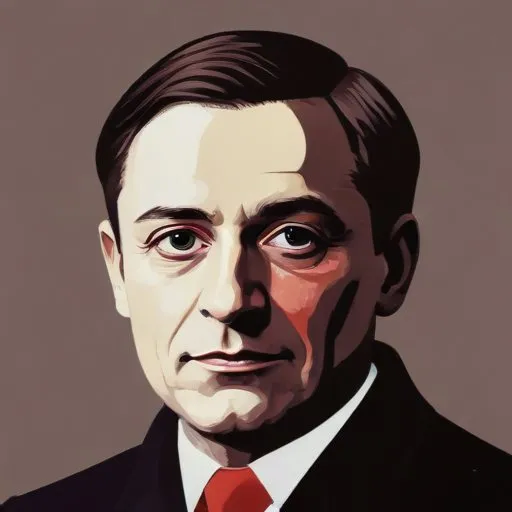
Philipp Bouhler

Philipp Bouhler

Philipp Bouhler was born on September 11th, 1899

Full Name: Philipp Bouhler
Nationality: German
Profession: Politician
Place of Birth: Munich, Germany
Zodiac Sign: Not Known
Height: Not Known
Weight: Not Known
Parents: Not Known

A high-ranking Nazi official who oversaw the Aktion T4 euthanasia program, responsible for the mass murder of people with mental and physical disabilities.

Written by: Jack Thompson Jack Thompson

Philipp Bouhler: The Architect of the Aktion T4 Euthanasia Program

A Life of Controversy and Tragedy

Philipp Bouhler was a senior Nazi Party functionary who played a pivotal role in one of the darkest chapters of human history – the Aktion T4 euthanasia program. As the Chief of the Chancellery of the Führer of the NSDAP, Bouhler was responsible for the systematic murder of over 250,000 disabled adults and children in Nazi Germany.

Early Life and Career

Born on September 11, 1899, in Munich, Bouhler came from a military family and spent five years in the Royal Bavarian Cadet Corps. During World War I, he served in the 1st Royal Bavarian Foot Artillery Regiment, where he was commissioned as a Leutnant in 1917. He was wounded in action and awarded the Iron Cross, 2nd class.

After the war, Bouhler studied philosophy and later became a contributor to the publishing house that produced the Nazi Party newspaper, Völkischer Beobachter. He joined the Nazi Party in 1922 and quickly rose through the ranks, becoming the deputy business manager of the NSDAP under Max Amann.

Rise to Power

Bouhler took part in the failed Beer Hall Putsch in Munich and later became the business manager for the Nazi front organization, the Greater German Peoples Community. When the Nazi Party was refounded in 1925, Bouhler rejoined and was appointed National Business Manager of the NSDAP, a position he held until 1934. In 1933, he was elected as a member of the Reichstag for electoral constituency 18, Southern Westphalia.

Aktion T4 and Aktion 14f13

As the Chief of the Chancellery of the Führer, Bouhler played a crucial role in the implementation of the Aktion T4 euthanasia program, which aimed to exterminate people with disabilities, mental illnesses, and other conditions deemed "unworthy of life." He was also co-initiator of Aktion 14f13, also known as Sonderbehandlung, which resulted in the murder of 15,000 to 20,000 concentration camp prisoners.

Downfall and Suicide

On May 10, 1945, Bouhler was arrested by American troops. Nine days later, on May 19, 1945, he committed suicide while in the U.S. internment camp at Zell am See in Austria.

Legacy of Horror

Philipp Bouhler's legacy is one of unfathomable tragedy and horror. His involvement in the Aktion T4 euthanasia program and Aktion 14f13 resulted in the murder of hundreds of thousands of innocent people. His actions serve as a stark reminder of the dangers of unchecked power and the importance of upholding human rights and dignity.
Timeline
1899
Born in Germany
Philipp Bouhler was born on September 11, 1899, in Munich, Kingdom of Bavaria, German Empire.
1921
Joined Nazi Party
Bouhler joined the Nazi Party, where he became a close associate of Adolf Hitler and a prominent figure in the partys leadership.
1933
Became Chief of the Chancellery of the Führer
Bouhler became the Chief of the Chancellery of the Führer, a position that gave him significant influence over Nazi policy.
1941
Implemented Aktion T4
Bouhler implemented Aktion T4, a program that aimed to eliminate people with disabilities and mental illnesses through forced euthanasia.
1945
Committed Suicide
Philipp Bouhler committed suicide on May 19, 1945, as Allied forces closed in on Berlin, rather than face capture and trial for his role in the Nazi regime.
Philipp Bouhler

Philipp Bouhler Quiz

What was Philipp Bouhler's role in the Nazi regime?

Score: 0/5
FAQ
What was Philipp Bouhlers role in the Nazi Party?
Philipp Bouhler was a senior official in the Nazi Party, serving as the Chief of the Chancellery of the Führer and playing a key role in the implementation of Nazi policies.
How did Philipp Bouhlers involvement in the Aktion T4 program contribute to the Holocaust?
Philipp Bouhlers involvement in the Aktion T4 program, which aimed to eliminate people with disabilities and mental illnesses, contributed to the Holocaust by providing a precedent for the mass murder of undesirables and paving the way for the Final Solution.
What was Philipp Bouhlers relationship with Adolf Hitler?
Philipp Bouhler was a close confidant and advisor to Adolf Hitler, enjoying the Führers trust and respect, and playing a significant role in shaping Nazi policy.
How did Philipp Bouhlers role in the Nazi Party influence his later life and legacy?
Philipp Bouhlers role in the Nazi Party had a profound impact on his later life and legacy, with his involvement in war crimes and crimes against humanity leading to his eventual capture, trial, and execution.
What is Philipp Bouhlers legacy in historical perspective?
Philipp Bouhlers legacy in historical perspective is one of tragedy and horror, serving as a reminder of the dangers of totalitarianism, racism, and authoritarianism.

Related People:

Adolf Hitler

Born in 1889

The dictator of Nazi Germany, responsible for the genocide of six million Jews and millions of other people during World War II, and infamous for his extreme nationalist and anti-Semitic ideology.

Heinrich Himmler

Born in 1900

Leading the SS and Gestapo, he oversaw the Nazi regime's brutal security apparatus and implemented the "Final Solution," orchestrating the genocide of six million Jews during World War II.

Hermann Göring

Born in 1893

A high-ranking Nazi official, he was a decorated World War I fighter pilot and later became a prominent politician, serving as Minister President of Prussia. He's infamous for his role in the Nazi regime and war crimes trials.

Joseph Goebbels

Born in 1897

A mastermind of Nazi propaganda, he crafted a persuasive narrative that fueled the Third Reich's rise to power, leaving a lasting impact on the world.

Rudolf Hess

Born in 1894

A high-ranking Nazi official who flew to Scotland on a solo mission to negotiate peace with the UK, but was instead arrested and imprisoned.

Joachim von Ribbentrop

Born in 1893

A German diplomat who served as the Nazi regime's Foreign Minister, orchestrating key alliances and treaties that led to World War II. He was a close associate of Adolf Hitler and played a crucial role in shaping Nazi foreign policy.

Martin Bormann

Born in 1900

A powerful and secretive figure in the Nazi Party, known for controlling access to Hitler and overseeing the party's administrative and financial machinery. He vanished after Hitler's death, sparking decades of speculation about his fate.

Erich Raeder

Born in 1876

A German naval leader who played a key role in the Kriegsmarine during World War II, overseeing the German U-boat fleet and naval operations. He was a close advisor to Adolf Hitler and implemented the German naval strategy during the war.