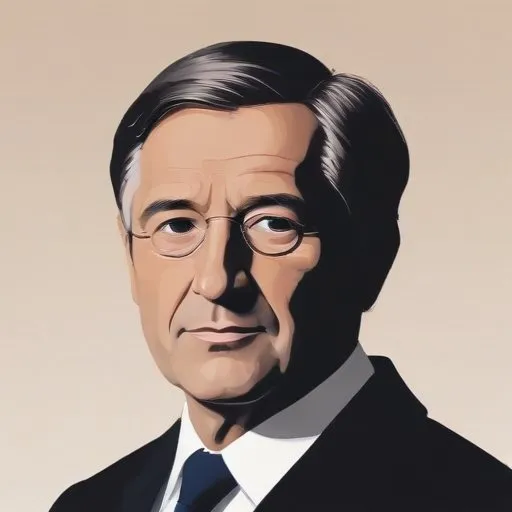
Pierre Cot: The French Politician Who Flew High in the Skies of History
The Architect of French Aviation
Pierre Cot, a French politician, is renowned for his instrumental role in shaping the country's aviation sector. As the Minister for Air in the 1930s, he oversaw the establishment of Air France, and advocated for a significant expansion of the French Air Force.
A Life of Politics and Passion
Born on November 20, 1895, in Grenoble, Cot hailed from a conservative Catholic family. However, he soon deviated from his family's ideology and embarked on a political journey that would take him from the right to the left of the political spectrum. His early years were marked by his admiration for Raymond Poincaré, a World War I conservative leader.
Rise to Prominence
Cot's foray into politics began in the 1920s, when he supported
Aristide Briand, an independent socialist. In 1928, he was elected to the National Assembly as a Radical Deputy for Savoy. His ascendance continued in December 1932, when he became the Under-Secretary for Foreign Affairs in the center-left government of Joseph Paul-Boncour.
The Aviation Visionary
Cot's most notable achievement was his tenure as Minister for Air in the Radical government of Édouard Daladier. During this period, he played a pivotal role in establishing Air France, and championed the expansion of the French Air Force. He was acutely aware of the Nazi regime's sinister intentions behind their sail-gliding clubs, and countered by promoting the working-class aeroclubs movement, known as Aviation Populaire.
The Popular Front and Beyond
In 1936, Cot's socialist leanings led him to become a key supporter of the Popular Front, an alliance of the Radicals and Socialists led by
Léon Blum, with the backing of the French Communist Party. As an anti-war activist, he remained committed to his pacifist ideals, even as the world teetered on the brink of war.
A Life of Controversy and Intrigue
Cot's life was not without its share of controversy. Through the decryption of Soviet intelligence cables, it was revealed that he was an agent of the Soviet Union, with the code name "Dedal." However, some sources suggest that he was merely a communist fellow traveler rather than a full-fledged agent. The British Secret Intelligence Service describes him as a highly controversial figure, vilified by the French Right, and posthumously accused of being a Soviet agent.
Legacy
Pierre Cot's impact on French aviation and politics remains unparalleled. His vision for a strong air force and his commitment to the working-class aeroclubs movement continue to inspire generations. Despite the controversies surrounding his involvement with the Soviet Union, Cot's contributions to French history are undeniable. His story serves as a poignant reminder of the complexities of politics and the enduring power of passion and conviction.
FAQ
What was Pierre Cots role in the French Resistance?
Pierre Cot was a French politician who played a key role in the French Resistance during World War II, serving as a leader in the Resistance movement and helping to coordinate efforts against the Nazi occupation.
What were Pierre Cots political beliefs and affiliations?
Pierre Cot was a member of the French Section of the Workers International (SFIO) and later joined the French Communist Party. He held leftist and pacifist views, and was a strong advocate for workers rights and social justice.
How did Pierre Cots experiences during World War II shape his political views?
Pierre Cots experiences during World War II, including his time in the Resistance and his subsequent imprisonment, had a profound impact on his political views, solidifying his commitment to socialism and anti-fascism.
What was Pierre Cots role in post-war French politics?
After the war, Pierre Cot played a significant role in post-war French politics, serving as a deputy in the National Assembly and advocating for social and economic reform.
What is Pierre Cots legacy in French politics?
Pierre Cots legacy in French politics is one of courage, conviction, and dedication to social justice and the struggle against fascism.