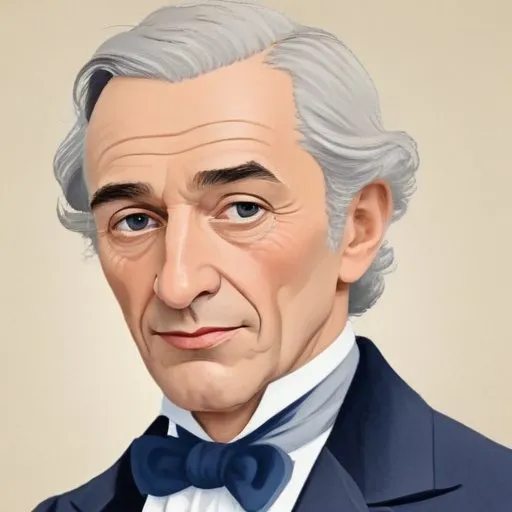
Pierre Paul Puget: The Sculptor Who Brought Ancient Greece to Life
A Master of Neoclassicism
Pierre Paul Puget was a French sculptor renowned for his breathtaking works of art that effortlessly transported viewers back to ancient Greece. With an unwavering passion for classical antiquity, Puget's creations continue to inspire awe and admiration, earning him a reputation as one of the most celebrated sculptors of the 17th century.
Early Life and Training
Born on October 31, 1620, in Marseille, France, Puget was exposed to the world of art from a young age. His father, a modest carpenter, encouraged his son's creative inclinations, and Puget went on to study sculpture under the tutelage of the accomplished artist, Antoine Duparc.
Rise to Prominence
Puget's breakout moment arrived when he created the iconic
Milo of Croton, a stunning marble sculpture that captured the essence of ancient Greek athleticism. This masterpiece not only earned him recognition but also caught the attention of King
Louis XIV, who subsequently commissioned Puget to create several works for the Palace of Versailles.
Philosophical Contributions and Beliefs
A staunch advocate for the principles of neoclassicism, Puget believed that art should be rooted in the classical ideals of ancient Greece and Rome. He saw himself as a guardian of ancient traditions, reviving the lost art of classical sculpture for the modern world.
Major Works and Career Highlights
- Alexander and Diogenes (1660s): A poignant marble sculpture exemplifying Puget's mastery of classical storytelling.
- Perseus and Andromeda (1650s): A majestic work showcasing Puget's skill in capturing mythological drama.
- Bellerophon and Pegasus (1660s): A breathtaking sculpture that showcases Puget's innovative use of movement and tension.
Influence on Modern Society
Puget's work had a profound impact on the art world, influencing generations of artists, including the likes of
Jean-Antoine Houdon and François Rude. His neoclassical style paved the way for a resurgence in interest in ancient Greek and Roman art, which continues to shape artistic expression today.
Personal Milestones and Key Life Events
In 1653, Puget traveled to Italy, where he was exposed to the works of Michelangelo and other Renaissance masters. This journey had a profound impact on his artistic development, as he began to incorporate elements of classical sculpture into his own creations.
Legacy and Historical Context
Puget's contributions to the world of art cannot be overstated. He single-handedly revived interest in classical sculpture, inspiring a new wave of artists to explore the rich cultural heritage of ancient Greece and Rome. As a testament to his enduring legacy, Puget's works continue to inspire awe and admiration in museums and galleries around the world.
Trivia and Fun Facts
- Puget was known for his fiery temperament, which often led to conflicts with his patrons and fellow artists.
- He was a prolific artist, creating over 150 works during his lifetime.
- Puget's sculptures often featured intricate details and symbolism, which added an extra layer of depth and meaning to his works.
Conclusion
Pierre Paul Puget's remarkable life and works serve as a testament to the power of art to transcend time and culture. As we continue to marvel at his masterpieces, we are reminded of the enduring legacy of classical antiquity and the boundless creative potential of the human spirit.
FAQ
What was Pierre Paul Pugets role in French art?
Pierre Paul Puget was a French painter and sculptor who made significant contributions to French art during the 17th and 18th centuries.
What were Pierre Paul Pugets artistic achievements?
Pierre Paul Puget was a prolific artist who created several important works, including paintings, sculptures, and decorative arts.
What was Pierre Paul Pugets relationship with the French Academy?
Pierre Paul Puget was a member of the French Academy and played a key role in promoting French art and culture.
What were Pierre Paul Pugets influences?
Pierre Paul Puget was influenced by several prominent artists, including Nicolas Poussin and Gian Lorenzo Bernini.
What was Pierre Paul Pugets legacy?
Pierre Paul Pugets legacy is that of a talented artist who made significant contributions to French art during the 17th and 18th centuries.