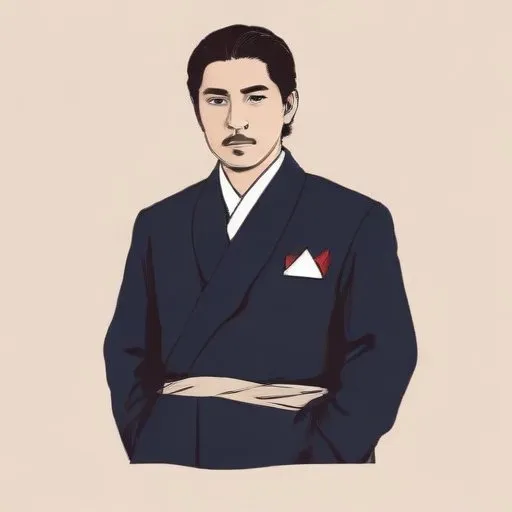
Prince Hisaaki: The 8th Shogun of the Kamakura Shogunate
A Nominal Ruler with a Lasting Legacy
Prince Hisaaki, also known as Prince Hisaakira, is renowned as the 8th shogun of the Kamakura shogunate of Japan, serving from 1289 to 1308. During his reign, he was largely a figurehead, with the actual power held by the Hōjō clan regents, who controlled the government behind the scenes.
Familial Ties and Succession
Born on October 19, 1276, Prince Hisaaki was the son of
Emperor Go-Fukakusa and the younger half-brother of Emperor Fushimi. His family connections played a significant role in his ascent to power. He was adopted by Prince Koreyasu, further solidifying his claim to the throne. Prince Hisaaki's own family life was marked by the birth of several children, including
Prince Morikuni, who would succeed him as the 9th shogun. His children included Prince Hisayoshi, Prince Hiroaki, and Prince Kiyozumi, born to his wife, the daughter of Prince Koreyasu, and his concubine, Reizei no Tsubone.
Erasing the Eras
Prince Hisaaki's reign was marked by several era names, which provide a unique insight into the historical context of his rule. These eras include:
- Shōō (1288-1293)
- Einin (1293-1299)
- Shanō (1299-1302)
- Kengen (1302-1303)
- Kagen (1303-1306)
- Tokuji (1306-1308)
- Enkyō (1308-1311)
A Lasting Impact on Japanese History
Despite being a nominal ruler, Prince Hisaaki's legacy has endured, leaving an indelible mark on Japanese history. His reign marked a significant period of transition, laying the groundwork for the eventual decline of the Kamakura shogunate. Today, he remains an important figure in Japanese history, a testament to the complexities of power and the intrigue of the imperial court.
Philosophical Contributions and Beliefs
While Prince Hisaaki's personal beliefs and philosophical contributions are not well-documented, his reign was characterized by a complex interplay of power and politics. His adoption by Prince Koreyasu and his marriage to the daughter of Prince Koreyasu highlight the intricate web of alliances and relationships that shaped the imperial court.
Historical Context and Legacy
Prince Hisaaki's reign was marked by a decline in the power of the Kamakura shogunate, paving the way for the eventual rise of the Muromachi shogunate. His legacy serves as a reminder of the fragility of power and the constant evolution of Japanese politics. Despite being a figurehead, Prince Hisaaki's reign has left an indelible mark on Japanese history, a testament to the enduring power of the imperial court.
FAQ
What is Prince Hisaakis role in the Japanese imperial family?
Prince Hisaaki is a member of the Japanese imperial family and serves as the Emperors uncle, holding various ceremonial and symbolic roles.
What is Prince Hisaakis background?
Prince Hisaaki was born in Tokyo, Japan, and is the younger brother of Emperor Akihito, making him the uncle of Emperor Naruhito.
Has Prince Hisaaki held any notable positions?
Prince Hisaaki has held several notable positions, including President of the Japanese Red Cross Society and Honorary President of the Japan Rugby Football Union.
What are Prince Hisaakis interests?
Prince Hisaaki is known for his interests in sports, particularly rugby, and has supported the development of the sport in Japan.
How has Prince Hisaakis role evolved?
Prince Hisaakis role has evolved over the years, with a focus on supporting the imperial family and carrying out various ceremonial duties.