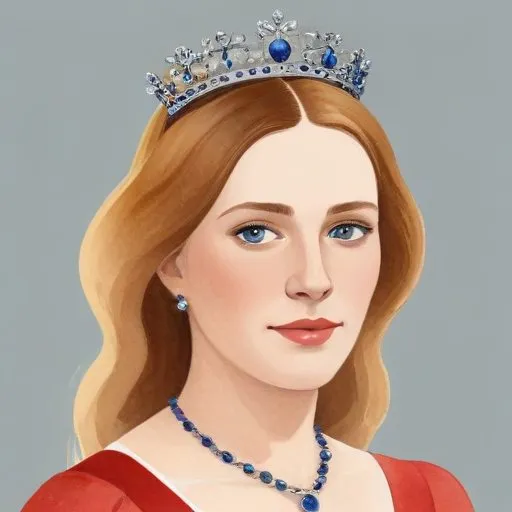
Princess Juliane of Saxe-Coburg-Saalfeld

Princess Juliane of Saxe-Coburg-Saalfeld

Princess Juliane of Saxe-Coburg-Saalfeld was born on September 23rd, 1781

Full Name: Princess Juliane of Saxe-Coburg-Saalfeld
Place of Birth: Coburg, Germany
Title: Grand Duchess of Russia
Spouse: Grand Duke Konstantin Pavlovich of Russia
Children: No children
Mother: Countess Augusta Reuss of Ebersdorf
Father: Francis, Duke of Saxe-Coburg-Saalfeld
Died: March 15, 1860

Grand Duchess Anna Feodorovna of Russia, a German princess who married into the Russian royal family and was known for her unhappy marriage and eventual separation from her husband. She was a patron of the arts and supported several charitable organizations.

Written by: Emily Carter Emily Carter

Princess Juliane of SaxeCoburgSaalfeld: The Grand Duchess of Russia

Princess Juliane of SaxeCoburgSaalfeld, also known as Grand Duchess Anna Feodorovna of Russia, was a German princess who became the wife of Grand Duke Konstantin Pavlovich of Russia. She was a member of the ducal house of SaxeCoburgSaalfeld, later known as the house of SaxeCoburgGotha.

Early Life and Family

Princess Juliane was born on September 23, 1781, to Franz Frederick Anton, Duke of SaxeCoburgSaalfeld, and Countess Augusta Caroline Reuss of Ebersdorf. She was named in honor of her grandaunt, Queen Juliane Marie of Denmark, who was her paternal grandmother's sister.

Juliane came from a large and influential family. Her younger brother was King Leopold I of the Belgians, while Queen Victoria of the United Kingdom was her niece. King Ferdinand II of Portugal was her nephew, as were Queen Victoria's husband, Prince Albert, and Leopold II of Belgium.

Marriage and Life in Russia

In 1795, Empress Catherine II of Russia began searching for a suitable wife for her second grandson, Grand Duke Konstantin. The empress sent her general, Andrei Budberg, on a secret mission to the ruling European courts to find a bride for Konstantin. During his trip, Budberg became ill and was forced to stay in Coburg, where he met Juliane.

Juliane and Konstantin were married on February 26, 1796, at the Winter Palace in St. Petersburg, Russia. The marriage was a grand affair, with Empress Catherine II herself attending the ceremony.

Life as Grand Duchess

As Grand Duchess, Juliane played an important role in the Russian court. She was known for her intelligence, kindness, and strong will. Despite being a foreigner in a strange land, Juliane quickly adapted to her new surroundings and became a popular figure in Russian society.

Juliane and Konstantin had no children together, but she was close to her husband's nieces and nephews, including the future Nicholas I of Russia.

Personal Milestones and Key Life Events

Legacy

Princess Juliane of SaxeCoburgSaalfeld lived a life marked by duty, loyalty, and adaptability. As Grand Duchess of Russia, she played an important role in the Russian court, and her kindness and intelligence were remembered by those who knew her.

Today, Juliane is remembered as a member of the influential SaxeCoburgSaalfeld family, which produced numerous European monarchs and nobles. Her legacy is one of quiet strength and determination, a testament to the many women who have played important roles in shaping European history.

Timeline
1781
Birth in Coburg
Princess Juliane of Saxe-Coburg-Saalfeld was born in Coburg, Germany. She was a member of the House of Saxe-Coburg-Saalfeld.
1796
Marriage to Grand Duke Constantine
Princess Juliane married Grand Duke Constantine Pavlovich of Russia, becoming the Grand Duchess of Russia.
1801
Divorce
Princess Juliane divorced Grand Duke Constantine, citing incompatibility.
1804
Joined the Ursuline Order
Princess Juliane joined the Ursuline Order, dedicating her life to charitable work and education.
1860
Death in Elfenau
Princess Juliane died in Elfenau, Switzerland, at the age of 79.
Princess Juliane of Saxe-Coburg-Saalfeld

Princess Juliane of Saxe-Coburg-Saalfeld Quiz

What was Princess Juliane of Saxe-Coburg-Saalfeld known for in her marriage to the Russian royal family?

Score: 0/5
FAQ
What was Princess Juliane of Saxe-Coburg-Saalfelds role in German royal politics?
Princess Juliane of Saxe-Coburg-Saalfeld played a significant role in German royal politics, as she was a member of the House of Saxe-Coburg and Gotha and had connections to several royal families in Europe.
What were Princess Juliane of Saxe-Coburg-Saalfelds accomplishments as a patron of the arts?
Princess Juliane of Saxe-Coburg-Saalfeld was a patron of the arts, and her court was known for its cultural and intellectual achievements. She supported artists, writers, and musicians, and encouraged the development of new forms of art and literature.
How did Princess Juliane of Saxe-Coburg-Saalfelds marriage to Grand Duke Constantine Pavlovich of Russia impact European royal politics?
Princess Juliane of Saxe-Coburg-Saalfelds marriage to Grand Duke Constantine Pavlovich of Russia had significant implications for European royal politics, as it forged alliances between the Russian and German royal families and shaped the course of European history.
What was Princess Juliane of Saxe-Coburg-Saalfelds relationship like with her daughter, Maria Alexandrovna?
Princess Juliane of Saxe-Coburg-Saalfelds relationship with her daughter, Maria Alexandrovna, was close and loving. She played an important role in her daughters upbringing and education, and encouraged her to pursue a career in the arts.
What is Princess Juliane of Saxe-Coburg-Saalfelds legacy in European royal history?
Princess Juliane of Saxe-Coburg-Saalfelds legacy in European royal history is that of a patron of the arts and a shaper of royal politics. She played an important role in forging alliances between royal families and promoting cultural and intellectual achievements.

Related People:

Leopold II of Belgium

Born in 1835

A brutal colonialist who exploited the Congo Free State for rubber and ivory, causing millions of deaths and atrocities. His reign was marked by greed, violence, and human rights abuses.

Queen Victoria

Born in 1819

The monarch who ruled the British Empire for 63 years, overseeing the Industrial Revolution and expanding the empire's reach, earning the nickname "the Grandmother of Europe".

Pedro V of Portugal

Born in 1837

King of Portugal from 1853 to 1861, known for modernizing the country's infrastructure and economy, and for his liberal reforms.

Luís I of Portugal

Born in 1838

King of Portugal from 1861 to 1889, known for modernizing the country and promoting economic growth. He was a popular monarch who reigned for nearly three decades.