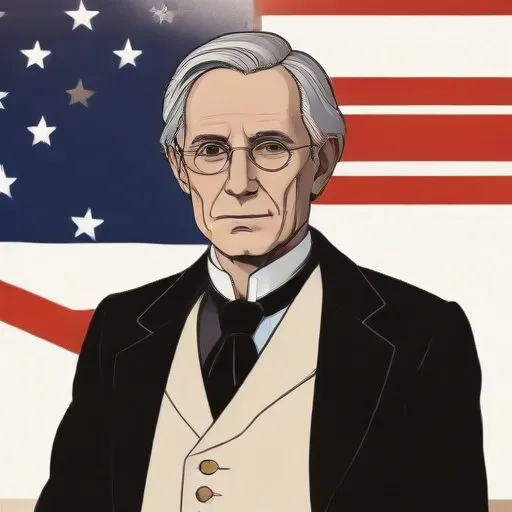
R. Carlyle Buley: The Pioneering Historian of the American Frontier
A Trailblazing Academic and Pulitzer Prize Winner
R. Carlyle Buley is renowned for his groundbreaking work in American history, particularly in the field of the Old Northwest, earning him the prestigious Pulitzer Prize for History in 1951. His meticulous research and engaging narrative style have made him a household name among historians and scholars, shedding light on the untold stories of the American frontier.
Early Life and Education
Born on July 8, 1893, in Georgetown, Floyd County, Indiana, Buley was the son of David M. Buley, a school teacher, and Nora Keithley Buley. He graduated from Vincennes Lincoln High School in 1910 and went on to receive his Bachelor's degree from Indiana University in 1914. After serving in the U.S. Army Signal Corps during World War I, Buley earned his Master's degree from Indiana University in 1916.
Academic Pursuits and Awards
Buley's passion for history led him to pursue his Ph.D. from the University of Wisconsin-Madison, which he achieved in 1925. He then began his illustrious academic career as a professor of history at Indiana University, where he taught for nearly four decades. During this time, he penned numerous articles, reviews, and books, including his magnum opus,
The Old Northwest Pioneer Period 1815-1840, a two-volume work that earned him the Pulitzer Prize in 1951. He also received the Elizur Wright Award for his work,
The American Life Convention, 1906-1952: A Study in the History of Life Insurance, in 1953.
Award-Winning Professor and Mentor
Buley's dedication to his students and his craft earned him the admiration of his peers and students alike. In 1962, Indiana University's Sigma Delta Chi journalism society presented him with the Brown Derby Award, recognizing him as the most popular professor on campus. His doors were always open to students seeking guidance, and his broad view of education inspired generations of scholars.
A Legacy of Scholarship and Discovery
R. Carlyle Buley's contributions to American history have left an indelible mark on the academic community. His work continues to inspire new generations of historians and scholars, ensuring that the stories of the American frontier are told with accuracy and passion. In 2007, his alma mater, Vincennes Lincoln High School, honored him as a distinguished alumnus, a testament to the enduring impact of his life's work.
Selected Works
- The Old Northwest Pioneer Period 1815-1840 (1950)
- The American Life Convention, 1906-1952: A Study in the History of Life Insurance (1953)
A Life of Scholarship and Service
R. Carlyle Buley's life was a testament to the power of dedication, hard work, and a passion for discovery. Through his work, he has left an enduring legacy, inspiring future generations to explore the rich tapestry of American history.
FAQ
What is R. Carlyle Buleys most famous book?
R. Carlyle Buleys most famous book is The American Life of the Future (1927), which is a comprehensive history of American society and culture. The book is considered a classic of American historical writing.
What was R. Carlyle Buleys academic specialization?
R. Carlyle Buleys academic specialization was American history and culture. He was a renowned expert on American society and culture, and his work continues to influence historians and scholars today.
What is R. Carlyle Buleys legacy in historical writing?
R. Carlyle Buleys legacy in historical writing is significant, as he was one of the leading historians of his generation. His work continues to inspire historians and scholars today, and his books are considered classics of American historical writing.
Who was R. Carlyle Buleys mentor?
R. Carlyle Buleys mentor was Frederick Jackson Turner, a well-known American historian. Turner had a significant influence on Buleys academic career and encouraged him to pursue a career in historical writing.
What was R. Carlyle Buleys teaching career like?
R. Carlyle Buley had a long and distinguished teaching career, teaching at several American universities, including Indiana University and Harvard University. He was known for his engaging teaching style and his ability to inspire students to pursue careers in historical writing