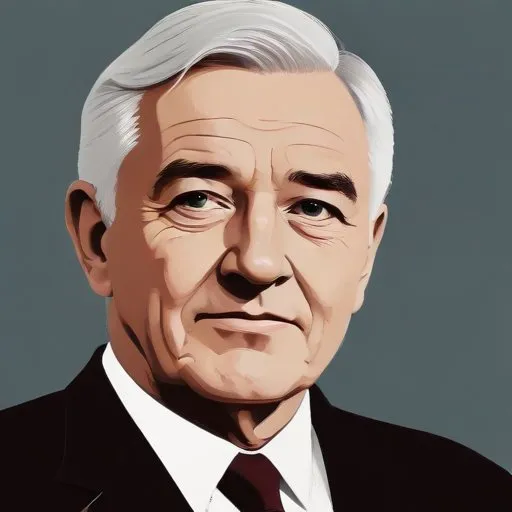
Ray O'Connor: The Visionary Premier of Western Australia
A Leader of Change and Reform
Ray O'Connor, the 19th Premier of Western Australia, is best known for his transformative leadership and vision for the state's development. During his tenure from 1982 to 1983, he implemented significant reforms, leaving a lasting impact on the state's economy, infrastructure, and social fabric.
Early Life and Political Career
Born on March 6, 1926, in Perth, Western Australia, O'Connor was raised in the Wheatbelt towns of Narrogin and York. He developed a strong passion for athletics and Australian Rules football, playing 14 matches for East Perth in the Western Australian National Football League. His leadership skills were evident even in his early years, as he served in the Second Australian Imperial Force during World War II in New Britain and Bougainville.
Rise to Prominence
O'Connor joined the Liberal Party in 1957 and was elected to the Western Australian Legislative Assembly in 1959. He held various ministerial positions, including Minister for Railways and Minister for Transport, overseeing the gauge standardization project of the railway between Perth and Kalgoorlie. His dedication and commitment earned him the position of Deputy Premier in 1980.
Premiership and Reforms
Upon Charles Court's resignation in 1982, O'Connor was elected Premier of Western Australia. During his 13-month tenure, he focused on addressing the state's economic challenges, particularly unemployment. He introduced various initiatives, including the establishment of the Western Australian Development Corporation, to stimulate economic growth and development.
Challenges and Controversies
O'Connor's premiership was not without its challenges. The 1975 murder of Shirley Finn, which remains unsolved, raised questions about police corruption during his tenure as Police Minister. Additionally, the 1983 state election, which saw his government defeated by Brian Burke and the Labor Party, was largely fought on economic issues.
Legacy and Honors
After resigning from Parliament in 1984, O'Connor started a consultancy business. In recognition of his contributions to the state, he was appointed an Officer of the Order of Australia in 1989. His dedication to public service and his vision for Western Australia's development have left a lasting impact on the state's history.
Personal Milestones and Key Life Events
- 1926: Born on March 6 in Perth, Western Australia
- 1957: Joined the Liberal Party
- 1959: Elected to the Western Australian Legislative Assembly
- 1965-1971: Served as Minister for Railways and Minister for Transport
- 1980: Became Deputy Premier
- 1982: Elected Premier of Western Australia
- 1983: Lost the state election to Brian Burke and the Labor Party
- 1984: Resigned from Parliament
- 1989: Appointed Officer of the Order of Australia
- 2013: Passed away on February 25
Trivia and Fun Facts
- O'Connor played 14 matches for East Perth in the Western Australian National Football League.
- He served in the Second Australian Imperial Force during World War II in New Britain and Bougainville.
- O'Connor was a strong advocate for the development of Western Australia's rural areas.
Conclusion
Ray O'Connor's legacy as the Premier of Western Australia is a testament to his vision, leadership, and commitment to the state's development. Despite the challenges he faced, his contributions to the state's economic growth, infrastructure development, and social reform have left a lasting impact on Western Australia's history.
FAQ
What was Ray OConnors role in Western Australian politics?
Ray OConnor served as the 22nd Premier of Western Australia from 1986 to 1988, leading a Liberal government in the state.
What were Ray OConnors key achievements as Premier?
During his tenure, Ray OConnor implemented several reforms, including deregulating the wheat industry, introducing a new electoral system, and promoting economic development in the state.
How did Ray OConnor get started in politics?
Ray OConnor began his political career as a member of the Western Australian Legislative Assembly, serving from 1959 to 1984 before becoming Premier.
What was Ray OConnors stance on Aboriginal rights?
Ray OConnor was a strong advocate for Aboriginal rights, introducing several initiatives to promote reconciliation and self-determination for Indigenous Australians.
What honors did Ray OConnor receive for his contributions?
Ray OConnor received the Companion of the Order of Australia in 2004 for his service to politics and the community.