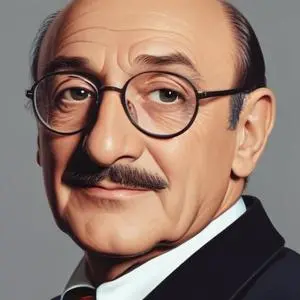
Raymond Aron: The Voice of Moderation in French Intellectualism
A Critic of Marxist Intellectuals
Raymond Aron, a prominent French philosopher, sociologist, and journalist, is best known for his thought-provoking book,
The Opium of the Intellectuals, published in 1955. In this seminal work, Aron critiques French intellectuals for their harsh criticism of capitalism and democracy, while simultaneously defending the actions of communist governments in the East.
Early Life and Education
Born on March 14, 1905, in Paris, France, Aron was the son of a secular Jewish lawyer. He studied at the esteemed École Normale Supérieure, where he met
Jean-Paul Sartre, who would later become his lifelong friend and intellectual opponent. Aron's academic excellence led him to take first place in the agrégation of philosophy in 1928, surpassing Sartre, who failed the same exam.
A Critique of Marxist Ideology
Aron's
The Opium of the Intellectuals is a scathing critique of Marxist ideology and its influence on French intellectuals. He argued that Marxism had become a sort of "opium" for these intellectuals, allowing them to criticize capitalism and democracy while ignoring the atrocities committed by communist regimes. This book is widely regarded as a seminal work of the 20th century, and its impact on French intellectualism is still felt today.
A Leader Among Intellectuals
Aron's writings covered a wide range of topics, from politics and philosophy to history and sociology. He was a rational humanist who rejected existentialism, and his work was characterized by its moderation and balance. Historian James R. Garland notes that Aron "stood as the preeminent example of French intellectualism for much of the twentieth century."
Lifelong Friendship with Jean-Paul Sartre
Aron's friendship with Sartre was complex and often fractious. Despite their intellectual differences, they maintained a lifelong connection, with Sartre often remarking, "Better be wrong with Sartre than right with Aron." This phrase became a popular saying among French intellectuals, highlighting the depth of their intellectual rivalry.
Influence on Modern Society
Aron's work had a profound impact on modern society, shaping the way we think about politics, philosophy, and intellectualism. His critique of Marxism and his defense of democracy and capitalism continue to influence contemporary debates. His legacy can be seen in the work of numerous intellectuals and scholars who have followed in his footsteps.
Notable Works
- The Opium of the Intellectuals (1955)
- Introduction to the Philosophy of History (1938)
- The Century of Total War (1951)
Legacy and Impact
Raymond Aron's legacy continues to be felt in the world of intellectualism and beyond. His work remains a testament to the power of critical thinking and moderation in the face of extremism. As a prominent French philosopher, sociologist, and journalist, Aron's contributions to modern society are undeniable, and his impact will be felt for generations to come.
FAQ
What was Raymond Arons area of expertise?
Raymond Aron was a French philosopher, sociologist, and journalist, known for his expertise in political philosophy, sociology, and international relations. His work spanned multiple disciplines, offering insights into the complexities of modern society.
What was Raymond Arons philosophy focused on?
Raymond Arons philosophy was focused on the importance of individual liberty, democracy, and critical thinking. He believed in the power of human reason to shape a better world, criticizing totalitarian regimes and advocating for democratic values.
What is Raymond Arons most famous book?
Raymond Arons most famous book is The Opium of the Intellectuals, in which he critiques the ideology of Marxism-Leninism and the naivety of Western intellectuals who supported it. This influential work cemented his reputation as a bold and incisive thinker.
What awards did Raymond Aron win for his work?
Raymond Aron won numerous awards for his work, including the Prix Goncourt and the Prix des Critiques. His contributions to French intellectual life were recognized with honors such as the Legion of Honor and the National Order of Merit.
What is Raymond Arons legacy like today?
Raymond Arons legacy is that of a courageous and visionary thinker, who challenged prevailing ideologies and advocated for democratic values. His work continues to influence contemporary debates on politics, philosophy, and international relations.