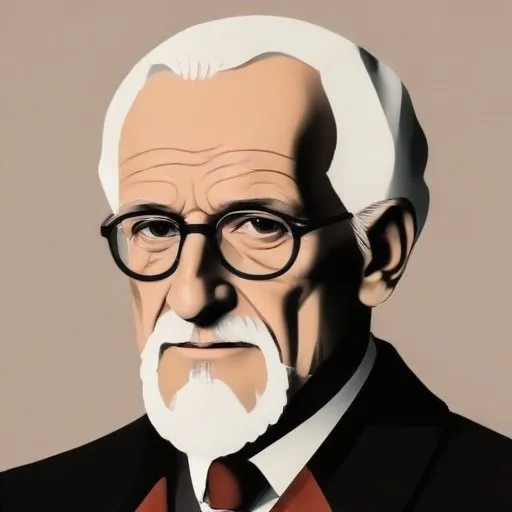
Reinhold Seeberg: The Visionary Theologian
A Legacy of Scholarship and Influence
Reinhold Seeberg, a renowned German Lutheran theologian, left an indelible mark on the academic landscape with his groundbreaking works on historical theology and Christian doctrine. As a professor of theology at Erlangen and later at Friedrich Wilhelm University (now the University of Berlin), Seeberg's intellectual prowess and commitment to his craft earned him a reputation as a leading authority in his field.
Early Life and Education
Born on March 24, 1859, in Germany, Seeberg embarked on his academic journey at Erlangen University, where he studied theology and eventually earned his professorship. His academic trajectory was marked by a passion for Luther and Reformation studies, which became a hallmark of his scholarship.
Scholarship and Works
Seeberg's literary output was nothing short of remarkable, with over two dozen books and numerous articles that explored the vast expanse of historical theology, early Christianity, Luther, and Duns Scotus. His magnum opus, the five-volume
Textbook of the History of Doctrines, stands as a testament to his erudition and meticulous scholarship. This encyclopedic work offered a comprehensive understanding of the development of Christian doctrine from the New Testament period to the 17th century, utilizing modern historical-critical methods.
Philosophical Contributions and Beliefs
As a staunch German nationalist, Seeberg firmly believed in the divinely appointed role of Germany in the salvation of the world. However, he did not support the Weimar Republic in Germany. His theological stance emphasized the social nature of the Church, a teaching that became a cornerstone of his students' understanding of Christian doctrine.
Influence on Modern Society
Seeberg's impact on modern society is multifaceted. His students, including Werner Elert, Hermann Sasse, and
Dietrich Bonhoeffer, went on to become prominent theologians and thinkers in their own right. Bonhoeffer, in particular, adopted Seeberg's emphasis on the social nature of the Church, epistemological and ethical dimensions of doctrines, and an antimetaphysical emphasis in his own theology.
Personal Milestones and Key Life Events
Seeberg's family was steeped in theological tradition. His brother, Alfred Seeberg, was also a theologian, and his son, Erich Seeberg, became a significant theologian in his own right at the University of Berlin.
Legacy and Impact
Reinhold Seeberg's legacy extends far beyond his written works. He inspired a generation of theologians and scholars, shaping the course of Lutheran and Reformation studies. His commitment to academic excellence and his passion for his craft continue to inspire and motivate scholars today.
Quotes and Memorable Sayings
- "The Church is not a voluntary association, but a divine institution."
- "Christianity is not a system, but a life."
Historical Context and Legacy
Reinhold Seeberg's life and work were shaped by the tumultuous landscape of late 19th- and early 20th-century Germany. Despite the challenges of his time, Seeberg remained steadfast in his pursuit of knowledge and his commitment to his faith. His legacy serves as a testament to the power of scholarship and the enduring impact of dedicated theologians.
FAQ
What is Reinhold Seeberg known for?
Reinhold Seeberg was a German theologian, celebrated for his work on systematic theology and his role in shaping Protestant theology in Germany.
What inspired Reinhold Seebergs theological pursuits?
Seebergs passion for understanding the nature of God and his desire to provide a systematic approach to theology drove his scholarly pursuits.
Did Reinhold Seeberg receive any recognition for his theological contributions?
Seebergs work earned him recognition as a leading theologian of his time, with his systematic approach influencing generations of theologians.
What was Reinhold Seebergs role in shaping Protestant theology?
Seeberg played a significant role in shaping Protestant theology in Germany, providing a comprehensive framework for understanding Christian doctrine.
How did Reinhold Seebergs legacy impact theological education?
Seebergs work continues to influence theological education, providing a foundation for systematic theology that remains relevant today.