


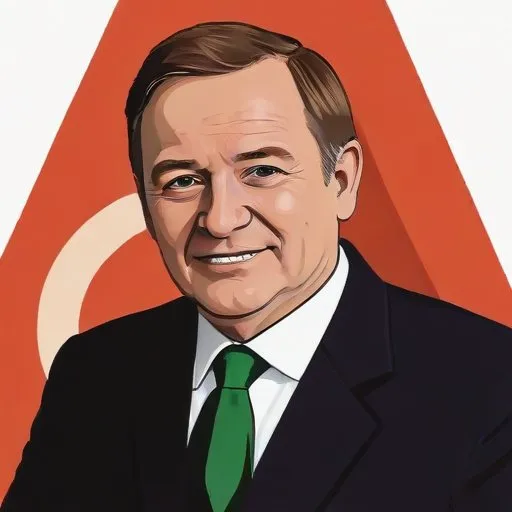
The 7th Premier of Tasmania, serving from 1857 to 1861, is most known for his efforts to reform the Tasmanian constitution and his role in the separation of the Tasmanian legislature from the British government.
Sir Richard Dry, KCMG, is remembered as a pioneering politician who etched his name in the annals of Tasmanian history as the first Tasmanian-born Premier, serving from 1866 until his untimely death in 1869. He was also the first Tasmanian to be knighted, a testament to his remarkable contributions to the island state.
Raised in Launceston, Van Diemen's Land (now Tasmania), Dry was born on September 20, 1815, to Richard Dry, an officer and pastoralist, and his wife Anne, née Maughan. His father, a Protestant and a Dublin woollendraper, had been transported from Ireland in advance of the 1798 rebellion, where he was a senior figure in the Defender movement and the United Irishmen.
Dry received his education at a Kirklands private school in Campbell Town, laying the foundation for his future political pursuits.
In 1837, Dry was appointed a magistrate, and in 1844, he was nominated a non-official member of the Tasmanian Legislative Council by Lieutenant-Governor Sir John Eardley-Wilmot. However, he resigned his seat in 1845, along with five other members, over a conflict with Governor Wilmot regarding the cost of the convict system to the colony.
This bold move earned him the distinction of being one of the "Patriotic Six," a group of reform-minded individuals who fought for the rights of Tasmanian settlers.
In 1866, Dry's dedication to public service culminated in his appointment as the Premier of Tasmania, a position he held until his passing in 1869. During his tenure, he worked tirelessly to promote the interests of his home state, earning the respect and admiration of his peers.
Sir Richard Dry's remarkable achievements were recognized with a knighthood, making him the first Tasmanian to receive this esteemed honor. His legacy extends beyond his political accomplishments, as he played a significant role in shaping the course of Tasmanian history.
Dry was a close friend of Anna Baxter, the wife of British Lieutenant Andrew Baxter, and maintained a strong connection with the local community. He also managed his father's 30,000-acre Quamby Estate near Hagley, which he inherited in 1843.
Despite the challenges posed by encounters with the native Palawa people, Dry remained committed to his duties, earning the respect of his contemporaries.
Through his remarkable life and achievements, Sir Richard Dry left an indelible mark on Tasmanian history, cementing his place as one of the island state's most revered figures.
Born in 1836
A British businessman and politician who played a key role in shaping the British Empire's colonial policies, particularly in Africa, and is known for his advocacy of imperialism and tariff reform.
Born in 1894
The 12th Prime Minister of Australia, a lawyer-turned-politician who played a crucial role in shaping the country's post-war economy and foreign policy, and is often credited with establishing the modern Australian identity.
Born in 1900
An Australian farmer-turned-politician who served as the country's 18th Prime Minister, known for his brief but significant tenure during a time of great change. He played a crucial role in shaping the nation's economy and foreign policy.
Born in 1881
Early Hollywood pioneer who directed over 500 films and was a key figure in the development of the film industry. Known for his prolific output and innovative filmmaking techniques.
Born in 1890
The 15th Prime Minister of Australia, serving for just eight days in 1945, known for being the shortest-serving prime minister in Australian history. He was also a prominent educator and politician.
Born in 1885
Australian engineer and politician who served as the 16th Prime Minister of Australia, implementing significant economic reforms and playing a crucial role in shaping the country's post-war development.
Born in 1916
The 21st Prime Minister of Australia, a lawyer, and lieutenant who introduced sweeping social and economic reforms, including universal healthcare and free education, and played a significant role in shaping the country's modern identity.
