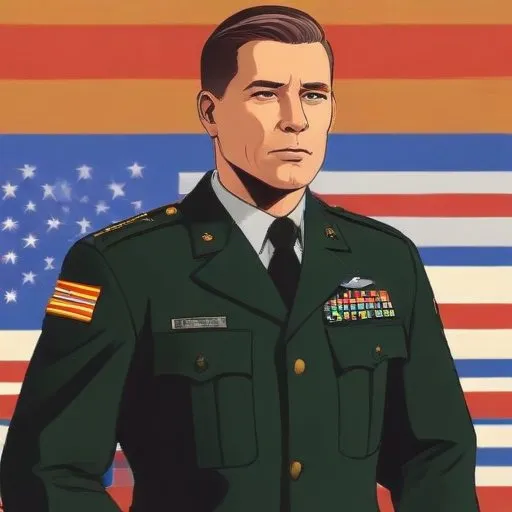
Richard Helms

Richard Helms

Richard Helms was born on March 30th, 1913

Full Name: Richard McGarvey Helms
Place of Birth: Philadelphia, Pennsylvania
Profession: Soldier, Diplomat
Served As: Director of Central Intelligence
Siblings: None Known
Education: Westminster School, Williams College
Zodiac Sign: March 30, Aries
Service: United States Navy

The 8th Director of Central Intelligence played a crucial role in shaping the CIA's operations during the Cold War era, overseeing clandestine activities and intelligence gathering. He's also infamous for illegally destroying CIA documents related to MKUltra, a secret mind-control program.

Written by: Sofia Garcia Sofia Garcia

Richard Helms: The Enigmatic Director of Central Intelligence

A Legacy of Secrecy and Controversy

Richard Helms, the former Director of Central Intelligence (DCI), is perhaps best known for his pivotal role in shaping the Central Intelligence Agency (CIA) during the tumultuous 1960s and 1970s. As the DCI from 1966 to 1973, Helms navigated the agency through a period of significant turmoil, marked by covert operations, scandals, and Congressional investigations.

Early Life and Career

Born on March 30, 1913, in Pennsylvania, Helms attended the prestigious Institut Le Rosey in Switzerland, where he developed a proficiency in French and German. He later graduated from Williams College in Massachusetts and began his career as a journalist in Europe and the United States. With the onset of World War II, Helms joined the Navy and was subsequently recruited by the Office of Strategic Services (OSS), where he worked under the tutelage of Allen Dulles and Frank Wisner.

Rise to Prominence

Following the war, Helms continued his intelligence work with the Strategic Services Unit (SSU), a precursor to the CIA. As the CIA took shape, Helms rose through the ranks, serving under Presidents Truman, Eisenhower, and Kennedy. His experience and expertise earned him the reputation as a skilled operative and a master of espionage.

Turbulent Tenure as DCI

Helms' tenure as DCI, which spanned from 1966 to 1973, was marked by controversy and intrigue. He managed the agency during a period of significant upheaval, including the Vietnam War, the Cold War, and civil unrest in the United States. Helms' leadership was often criticized for its secrecy and alleged human rights abuses. In 1977, he became the only DCI to be convicted of misleading Congress, a charge stemming from earlier covert operations in Chile.

Legacy and Controversy

Helms' legacy is complex and multifaceted. While he is credited with modernizing the CIA and expanding its capabilities, his tenure was also marked by scandals, cover-ups, and human rights abuses. The Church Committee's investigation into the CIA's activities, led by Senator Frank Church, exposed a range of illegal and unethical operations, including the agency's notorious mind control program, MKUltra.

Personal Milestones and Key Life Events

Influence on Modern Society

Helms' impact on modern society is profound and far-reaching. His tenure as DCI shaped the CIA's operations and policies, which continue to influence global politics and international relations. The controversies surrounding his leadership, including the Church Committee's investigation, have contributed to ongoing debates about government transparency, accountability, and the role of intelligence agencies in democracy.

Philosophical Contributions and Beliefs

Helms' philosophical beliefs were rooted in the realpolitik of the Cold War era. He was a firm believer in the importance of intelligence gathering and covert operations as a means of advancing national security interests. However, his approach was often criticized for its secrecy and disregard for human rights.

Trivia and Fun Facts

Historical Context and Legacy

Richard Helms' legacy is a complex tapestry of achievement and controversy. While his contributions to the CIA and the field of intelligence gathering are undeniable, his leadership was also marked by secrecy, deceit, and human rights abuses. As historians continue to grapple with the complexities of his tenure, one thing is certain: Richard Helms was a pivotal figure in the history of American intelligence, one whose influence continues to shape global politics and international relations today.
Timeline
1913
Birth of Richard Helms
Richard Helms, American soldier and diplomat, was born on March 30, 1913.
1942
Joined OSS
Helms joined the Office of Strategic Services (OSS), precursor to the CIA, during World War II.
1962
Became CIA Director
Helms became the 8th Director of Central Intelligence, leading the CIA during the Cold War.
1973
Retired from CIA
Helms retired from the CIA, finishing his career as a diplomat and intelligence officer.
2002
Death of Richard Helms
Richard Helms died on October 23, 2002, at the age of 89.
Richard Helms

Richard Helms Quiz

What was Richard Helms' role in the CIA?

Score: 0/5
FAQ
What was Richard Helmss military career like?
Richard Helms was an American soldier who served in World War II, earning several decorations for bravery and later becoming a diplomat and intelligence officer.
What was Richard Helmss role in the CIA?
Richard Helms served as the 8th Director of Central Intelligence, leading the CIA during a tumultuous period of Cold War espionage and covert operations.
How did Richard Helmss military experience influence his intelligence career?
Richard Helmss military experience had a profound impact on his intelligence career, shaping his views on national security and informing his approach to intelligence gathering and analysis.
What was Richard Helmss role in the Bay of Pigs invasion?
Richard Helms played a key role in planning and executing the Bay of Pigs invasion, a covert operation aimed at overthrowing Fidel Castros government in Cuba.
What is Richard Helmss legacy today?
Today, Richard Helms is remembered as a skilled intelligence officer and diplomat who played a significant role in shaping American foreign policy during the Cold War era.

Related People:

Allen Dulles

Born in 1893

The 5th Director of Central Intelligence was a master spy and diplomat who oversaw the CIA during the Cold War, orchestrating covert operations and shaping global politics. He's infamous for his role in the Bay of Pigs invasion and CIA-led coups.

John F. Kennedy

Born in 1917

The 35th President of the United States was a charismatic leader who navigated the country through the Cuban Missile Crisis and advocated for civil rights, leaving a lasting legacy in American politics.

Lyndon B. Johnson

Born in 1908

The 36th President of the United States, a skilled politician and leader, played a crucial role in passing landmark civil rights legislation, including the Civil Rights Act and Voting Rights Act.

Richard Nixon

Born in 1913

The 37th President of the United States, a polarizing figure who led the country through significant domestic and foreign policy changes, infamous for his involvement in the Watergate scandal.

Gerald Ford

Born in 1913

The 38th President of the United States, a former football star and lawyer, is known for being the first vice president to assume the presidency under the 25th Amendment and for his controversial pardon of Richard Nixon. He's also remembered for his humble and accidental rise to the presidency.

Henry Kissinger

Born in 1923

A renowned diplomat and strategist who played a pivotal role in shaping global politics during the Cold War era, known for his Realpolitik approach and brokering peace agreements .

Colin Powell

89 Years Old

The first African American to serve as Secretary of State, he played a crucial role in shaping US foreign policy during the Gulf War and War on Terror. He's also known for his diplomatic efforts and leadership in the military.

George Tenet

73 Years Old

The 18th Director of Central Intelligence, a top leader of the US intelligence community, oversaw critical national security operations and intelligence gathering during a pivotal period in American history. He's infamous for his "slam dunk" comment about Iraq's WMDs.