


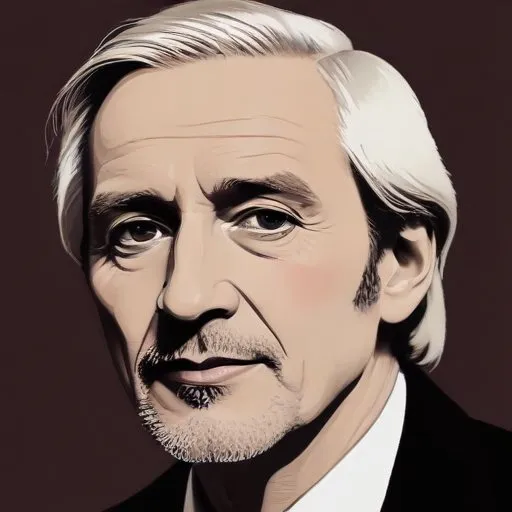
A renowned 17th-century singer-songwriter, known for his contributions to English opera and popularizing the genre through his performances and compositions. He was a prominent figure in London's musical scene during the Restoration period.
Richard Leveridge, born on July 19, 1670, was a renowned English bass singer and composer of baroque music, leaving an indelible mark on the London stage. He is best known for his powerful and expressive voice, which captivated audiences in various operas and masques, including Henry Purcell's The Indian Queen and The Fairy-Queen.
Leveridge was born in the parish of St Martin-in-the-Fields, London, and began his singing career in 1695 as the leading bass singer in the United Company managed by Christopher Rich at Drury Lane. His first notable role was as the magician Ismeron in The Indian Queen, where he worked closely with the celebrated composer Henry Purcell.
Leveridge collaborated with prominent composers of his time, including Daniel Purcell and Jeremiah Clarke. He also composed music for various productions, including Motteux's adaptation of The Island Princess, which featured his celebrated "Enthusiastick Song". Throughout his career, he published several volumes of his own songs, and numerous individual pieces were printed as separate sheets.
Leveridge's performances were met with great enthusiasm, and his music remained popular for over a century after his death. He sang the role of Hecate in Macbeth for nearly 50 years, making it one of his most enduring and iconic performances. His music was characterized by its grandeur and drama, reflecting his powerful voice and expressive style.
Leveridge's contributions to baroque music and opera have had a lasting impact on the development of classical music. His collaborations with Purcell and other composers helped shape the sound of the era, and his own compositions continue to inspire musicians and musicologists today.
Though few quotes from Leveridge himself have survived, his music and performances continue to speak to audiences today, evoking the grandeur and drama of the baroque era.
Leveridge's life and career spanned a pivotal moment in musical history, as the Restoration period gave way to the Georgian era. His contributions to opera and baroque music helped shape the sound of the time, and his legacy continues to influence classical music today.
Richard Leveridge's remarkable career and enduring legacy have cemented his place as one of the most significant figures in the history of English opera and baroque music.
Born in 1659
A renowned Baroque composer, known for his iconic opera "Dido and Aeneas" and contributions to English classical music.
Born in 1685
A renowned Baroque composer and organist, famous for creating majestic orchestral suites, operas, and oratorios, including the iconic "Messiah" masterpiece.
Born in 1906
An American-born Irish-British broadcaster notorious for spreading Nazi propaganda through radio broadcasts during World War II, aiming to demoralize British citizens. His treasonous actions led to his eventual execution.
Born in 1710
Wrote iconic patriotic songs, including "Rule, Britannia!", which became a symbol of British national identity. Composed music for theater, opera, and orchestra, blending Italian and English styles.
Born in 1712
A renowned Baroque-era composer and organist, he wrote over 300 works, including concertos, operas, and oratorios, and was a prominent figure in London's musical scene.
Born in 1678
A renowned Baroque composer and organist, he wrote music for the British royal court and contributed to the development of the English opera. His compositions include sacred music, orchestral suites, and chamber music.
52 Years Old
A world-class sprinter who won five Olympic medals, including three golds, and held multiple world records in the 100m and 4x100m relay events.
