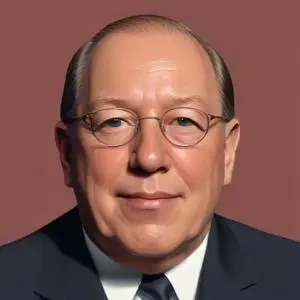
Robert A. Taft: The Conservative Champion of the Republican Party
A Leader of the Conservative Coalition
Robert A. Taft, affectionately known as "Mr. Republican," was a stalwart conservative politician, lawyer, and scion of the renowned Taft family. He is best known for his unwavering stance against the expansion of the New Deal and his sponsorship of the landmark Taft-Hartley Act of 1947, which regulated labor practices and created the concept of right-to-work states.
Early Life and Education
Born on September 8, 1889, in Cincinnati, Ohio, Robert Taft was the elder son of
William Howard Taft, the 27th President of the United States and 10th Chief Justice of the United States. He graduated from Harvard Law School in 1913 and pursued a legal career in Cincinnati, co-founding the law partnership of Taft Stettinius & Hollister with his brother Charles Phelps Taft II.
Rise to Prominence
Taft's political career began in 1921, when he was elected to the Ohio House of Representatives, where he served until 1931. He then moved to the Ohio Senate, serving from 1931 to 1933. Although he lost re-election in 1932, he remained a powerful force in state and local politics.
U.S. Senate Career
In 1938, Taft won election to the U.S. Senate, defeating incumbent Democrat Robert J. Bulkley. He would go on to serve three terms, becoming a leader of the conservative coalition of Republicans and conservative Democrats. During his tenure, he repeatedly sought the Republican presidential nomination, often clashing with the moderate faction led by
Thomas E. Dewey.
Philosophical Contributions and Beliefs
Taft was a staunch non-interventionist, opposing U.S. involvement in World War II prior to the 1941 Japanese attack on Pearl Harbor. He also criticized President
Harry S. Truman's handling of the Korean War and opposed the creation of NATO. His conservative ideology was rooted in limited government, individual liberty, and fiscal responsibility.
Legacy and Impact
Taft's legacy is marked by his unwavering commitment to conservative principles and his influence on modern American politics. He played a crucial role in shaping the Republican Party's platform and continues to be celebrated as a champion of individual freedom and limited government.
Quotes and Memorable Sayings
- "The most important thing in the world is to stop saying 'I wish' and start saying 'I will'."
- "We must revise our constitution to limit the power of the Federal Government and to secure the rights of the States and the individual."
Personal Milestones and Key Life Events
- Married to Martha Wheaton Bowers Taft, with three sons and one daughter.
- Served as president of the Cincinnati Bar Association (1931-1932).
- Received honorary degrees from Harvard University, Yale University, and Princeton University.
Historical Context and Legacy
Taft's legacy extends beyond his political career, with his philosophical contributions and beliefs continuing to shape American politics. His commitment to conservative principles has inspired generations of politicians and thinkers, cementing his place as a leading figure in American history.
FAQ
What was Robert A. Tafts role in American politics?
Robert A. Taft was an American lawyer and politician, serving as a United States Senator from Ohio and running for the Republican presidential nomination in 1940 and 1952.
What were Robert A. Tafts views on government and economics?
Robert A. Taft was a conservative who believed in limited government intervention in the economy and society, advocating for states rights and individual liberties.
What was Robert A. Tafts approach to foreign policy?
Robert A. Tafts approach to foreign policy was characterized by a commitment to non-interventionism and isolationism, which put him at odds with other Republican leaders.
What were Robert A. Tafts contributions to the Republican Party?
Robert A. Taft made significant contributions to the Republican Party, shaping its conservative wing and influencing generations of politicians.
What is Robert A. Tafts legacy in American politics?
Robert A. Tafts legacy in American politics is one of principle, conviction, and dedication to conservative ideals, earning him a place among the most influential politicians of the 20th century.