


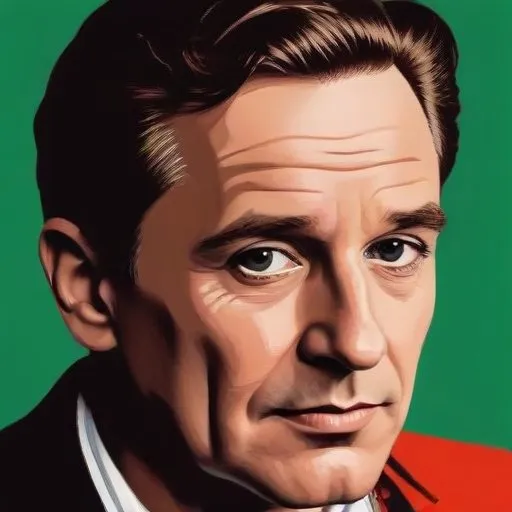
Acclaimed playwright and screenwriter behind iconic films like "Rebecca" and "The Best Years of Our Lives", earning him three Academy Awards and a Pulitzer Prize.
Robert E. Sherwood, the luminary of American theatre and cinema, is best known for his iconic plays and screenplays that continue to mesmerize audiences to this day. With a trifecta of Pulitzer Prizes for Drama in 1936, 1939, and 1941, and an Academy Award for Best Screenplay in 1947, Sherwood's impact on the world of entertainment is palpable.
Born on April 4, 1896, in New Rochelle, New York, Robert Emmet Sherwood was the son of Arthur Murray Sherwood, a prosperous stockbroker, and Rosina Emmet, a talented illustrator and portrait painter. His family's artistic inclinations and strong literary roots – his great-great-granduncle was the Irish nationalist Robert Emmet – instilled in him a passion for writing and storytelling.
Sherwood's educational journey took him to Fay School, Milton Academy, and eventually, Harvard University. However, it was during World War I that he took a break from academia to fight with the Royal Highlanders of Canada, CEF, in Europe. Wounded in battle, Sherwood returned to the United States and began working as a movie critic for magazines such as Life and Vanity Fair. This experience honed his critical eye and paved the way for his future success as a playwright and screenwriter.
Sherwood was one of the original members of the Algonquin Round Table, a group of witty intellectuals and writers who regularly gathered at Manhattan's Algonquin Hotel. This esteemed circle, which included the likes of Dorothy Parker and Franklin P. Adams, provided Sherwood with a stimulating environment that nurtured his writing talents. His early works, such as Waterloo Bridge (1930) and Idiots Delight (1936), showcased his ability to craft engaging stories and memorable characters.
Sherwood's works continue to inspire generations of writers, directors, and actors. His plays and screenplays have been adapted into numerous productions, ensuring his legacy as a master storyteller. The themes he explored – love, war, and the human condition – remain relevant today, making his works a testament to his enduring impact on modern society.
Robert E. Sherwood's contributions to American theatre and cinema have left an indelible mark on popular culture. His plays and screenplays have influenced a wide range of creators, from Tennessee Williams to Martin Scorsese. As a testament to his lasting impact, Sherwood's works remain a staple of American entertainment, continuing to captivate audiences with their timeless themes and memorable characters.
Born in 1915
A pioneering filmmaker and master of cinematic storytelling, known for his innovative narrative techniques and iconic films like "Citizen Kane" and "Touch of Evil".
Born in 1897
Academy Award-winning screenwriter behind iconic films like Citizen Kane, known for his witty dialogue and clever storytelling.
Born in 1902
Acclaimed filmmaker behind iconic movies like "Ben-Hur" and "Roman Holiday", known for his meticulous attention to detail and ability to elicit powerful performances from actors.
Born in 1908
A legendary actress who dominated Hollywood's Golden Age with her powerful performances and iconic roles in films like "All About Eve" and "What Ever Happened to Baby Jane?"
Born in 1909
Swashbuckling actor who starred in classic adventure films, charming audiences with his dashing good looks and charismatic on-screen presence.
Born in 1916
A two-time Academy Award winner, she was a leading lady in Hollywood's Golden Age, starring in films like "Gone with the Wind" and "Rebecca".
Born in 1908
Iconic leading man of Hollywood's Golden Age, starring in classics like "It's a Wonderful Life" and "Rear Window", bringing everyman charm to cinematic legends.
Born in 1899
Iconic leading man of classic Hollywood cinema, starring in timeless films like Casablanca and The African Queen, embodying a tough, charismatic on-screen presence.
