


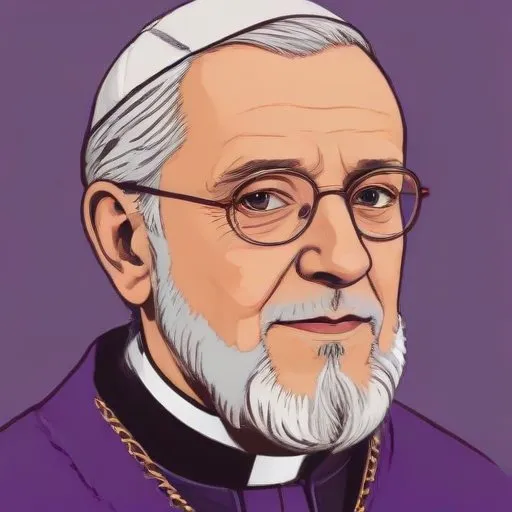
An 18th-century bishop and academic who wrote influential works on Hebrew poetry and grammar, shaping biblical scholarship and literary analysis.
Robert Lowth, a luminary of English grammar and biblical scholarship, is renowned for his monumental work, "A Short Introduction to English Grammar," which revolutionized the understanding and teaching of English language. This indispensable textbook, still revered today, showcases Lowth's mastery of linguistics and his profound influence on the development of English language studies.
Born on November 27, 1710, in Hampshire, England, Lowth was the son of Dr. William Lowth, a clergyman and biblical commentator. He received his education at Winchester College and later became a scholar of New College, Oxford, in 1729. Lowth earned his Bachelor of Arts degree in 1733 and his Master of Arts degree in 1737.
In 1735, Lowth took orders in the Anglican Church and was appointed vicar of Ovington, Hampshire, a position he held until 1741. During this time, he was appointed Oxford Professor of Poetry, a role that allowed him to cultivate his passion for language and literature. In 1750, he became the Archdeacon of Winchester, and in 1752, he resigned from his professorship to focus on his ecclesiastical duties.
Lowth's most notable work, "A Short Introduction to English Grammar," published in 1762, is an indispensable textbook that introduced a systematic approach to English grammar. This pioneering work influenced generations of scholars and educators, shaping the way English language was taught and understood. Additionally, Lowth's translation of the Book of Isaiah, first published in 1778, is widely regarded as one of the best English translations of the prophecy.
Lowth's work on Hebrew poetry, "Praelectiones Academicae de Sacra Poesi Hebraeorum" (On the Sacred Poetry of the Hebrews), published in 1753, showcases his expertise in biblical scholarship. This treatise, which earned him a Doctorate in Divinity from Oxford University, explores the poetic structure and literary style of the Hebrew Bible.
Lowth's contributions to English language studies and biblical scholarship have had a profound impact on modern society. His work has influenced language teaching methods, biblical interpretation, and literary criticism. His legacy continues to inspire scholars, educators, and linguists, ensuring that his work remains relevant and vital in contemporary academic discourse.
Robert Lowth's remarkable life and works have left an indelible mark on the world of English language studies and biblical scholarship. His legacy serves as a testament to his unwavering dedication to academic excellence and his passion for language and literature.
Through his groundbreaking textbooks, translations, and treatises, Lowth has inspired generations of scholars, educators, and linguists, cementing his place as a pillar of English grammar and biblical scholarship.
Born in 1846
A Nigerian priest and historian who wrote the first comprehensive history of the Yoruba people, providing valuable insights into their culture and traditions.
Born in 1631
A dominant literary figure of the Restoration era, known for his influential poetry, plays, and critical essays that shaped the English literary landscape. He's often credited with creating a new style of heroic drama and satire.
Born in 1667
A witty wordsmith who penned scathing social commentaries, including the iconic "Gulliver's Travels", which continue to delight and provoke readers to this day.
Born in 1672
A renowned 18th-century writer and statesman who penned influential essays and plays, shaping English literature and politics. He's most famous for his witty, insightful writings in The Spectator magazine.
Born in 1672
A pioneering journalist and playwright who co-founded The Tatler and The Spectator, influential publications that shaped 18th-century British literature and culture.
Born in 1729
An 18th-century thinker who shaped modern conservatism, advocating for gradual social change and warning against the dangers of radical revolution. He's also known for his philosophical writings on aesthetics and the sublime.
Born in 1698
A 17th-century bishop who advocated for the importance of reason in religion and wrote extensively on literature and theology. He's known for his critical editions of Shakespeare's plays.
