


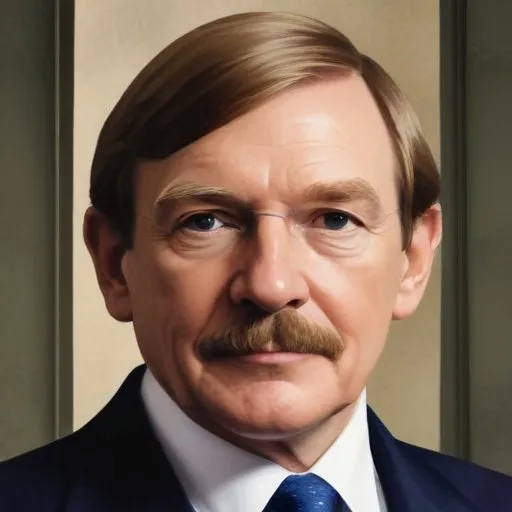
The 14th United States Deputy Secretary of State, a high-ranking government official, played a crucial role in shaping foreign policy and international relations during a pivotal period in American history. He's known for his diplomatic efforts and leadership in global economic development.
Robert Zoellick is renowned for his exceptional leadership, serving as the 11th President of the World Bank Group from 2007 to 2012, where he played a pivotal role in promoting economic growth, reducing poverty, and mitigating the effects of the global financial crisis. Throughout his tenure, Zoellick was instrumental in securing financial commitments from member countries, totaling over $90 billion, to support developing nations.
Born on July 25, 1953, in Naperville, Illinois, Zoellick grew up in a Lutheran family with German ancestry. He graduated from Naperville Central High School in 1971 and went on to earn a Bachelor's degree in History from Swarthmore College in 1975, later receiving a Juris Doctor degree from Harvard Law School in 1981, followed by a Master of Public Policy degree from Harvard University's John F. Kennedy School of Government.
Zoellick's leadership philosophy centers around fostering global economic cooperation, promoting sustainable development, and addressing the root causes of poverty and inequality. He has consistently emphasized the importance of multilateralism, free trade, and investment in human capital as key drivers of economic growth and stability.
Zoellick is married to Sherry G. Zoellick, and they have three children together. During his tenure as World Bank President, he was known for his collaborative leadership style, earning the respect and admiration of his peers and colleagues.
As a visionary leader, Zoellick's contributions have had a lasting impact on global economic development, trade, and poverty reduction. His commitment to public service, intellectual rigor, and diplomatic finesse have inspired a new generation of leaders to strive for a more equitable and prosperous world.
71 Years Old
The first African American woman to serve as Secretary of State, she played a crucial role in shaping US foreign policy during a tumultuous period, earning her a lasting legacy in international relations.
89 Years Old
The first African American to serve as Secretary of State, he played a crucial role in shaping US foreign policy during the Gulf War and War on Terror. He's also known for his diplomatic efforts and leadership in the military.
Born in 1923
A renowned diplomat and strategist who played a pivotal role in shaping global politics during the Cold War era, known for his Realpolitik approach and brokering peace agreements .
89 Years Old
The first female US Secretary of State, serving from 1997 to 2001, who played a key role in shaping American foreign policy during the Clinton administration. She's known for her strong diplomatic efforts and advocacy for democracy and human rights.
Born in 1925
American diplomat who served as Secretary of State under President Bill Clinton, playing a key role in international relations and foreign policy during the 1990s. He's known for his efforts to broker peace in the Balkans and Middle East.
96 Years Old
The 62nd United States Secretary of State, serving from 1992 to 1993, played a key role in shaping American foreign policy during a tumultuous period in world history, particularly in the Balkans. He's also known for his extensive diplomatic career, spanning over 40 years.
96 Years Old
The 61st United States Secretary of State, a skilled diplomat and strategist, played a crucial role in shaping global politics during the Gulf War and beyond. He's known for his exceptional negotiation skills and ability to build international coalitions.
Born in 1920
An American economist and politician who served as the 60th United States Secretary of State, playing a key role in shaping foreign policy during the Cold War era. He's known for his diplomatic efforts to end the Cold War and his advocacy for economic freedom.
