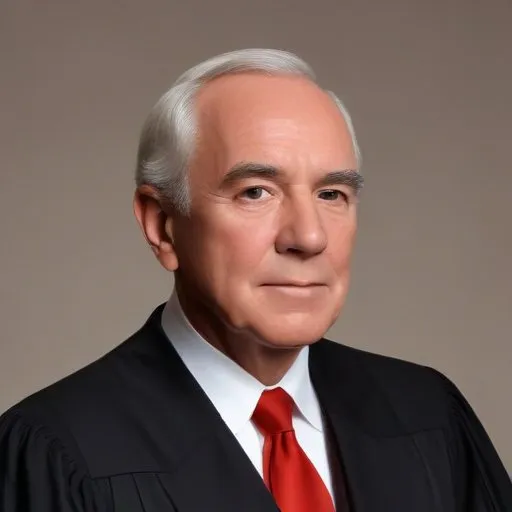
Roger J. Traynor: A Visionary Jurist and Scholar
Roger J. Traynor, the 23rd Chief Justice of California, is widely regarded as one of the most creative and influential judges and legal scholars of his time. Throughout his 30-year career, Traynor left an indelible mark on the legal landscape, shaping the course of California's growth and development.
A Life of Public Service
Born on February 12, 1900, in Park City, Utah, Traynor's early life was marked by poverty and hardship. His parents, Felix and Elizabeth Traynor, were Irish immigrants who instilled in him a strong work ethic and a passion for education. Despite the odds, Traynor went on to earn a scholarship to the University of California, Berkeley, where he excelled academically, earning degrees in political science and law.
Academic and Political Career
Traynor's academic achievements were matched only by his dedication to public service. He began his career as a Deputy Attorney General of California under
Earl Warren, before becoming an Acting Dean and Professor of UC Berkeley School of Law. His expertise in taxation and law led to his appointment as an associate justice of the Supreme Court of California in 1940, a position he held for 24 years.
A Legacy of Liberalism and Activism
As a jurist, Traynor was known for his liberal and activist approach to the law. He believed that the increased presence of government in American life was necessary and beneficial, a philosophy that guided his decisions on the bench. Traynor's commitment to social justice and equality earned him widespread respect and admiration, cementing his reputation as a champion of individual rights and freedoms.
Career Highlights and Major Works
- Associate Justice of the Supreme Court of California (1940-1964)
- 23rd Chief Justice of California (1964-1970)
- Professor of Law, UC Berkeley School of Law
- Author of numerous articles on taxation and law
- Editor-in-Chief, California Law Review
Influence on Modern Society
Traynor's legacy extends far beyond the courtroom. His liberalism and activism inspired a generation of lawyers, judges, and policymakers, shaping the course of California's growth and development. His commitment to social justice and equality continues to influence modern society, informing debates on issues ranging from civil rights to economic inequality.
Philosophical Contributions and Beliefs
At the heart of Traynor's philosophy was a deep commitment to the role of government in promoting the common good. He believed that government had a responsibility to protect individual rights and freedoms, while also promoting social and economic equality. This philosophy guided his decisions on the bench, earning him a reputation as a champion of progressive values.
Personal Milestones and Key Life Events
- Won a scholarship to the University of California, Berkeley (1919)
- Earned a Ph.D. in political science (1926)
- Earned a J.D. from Boalt Hall, UC Berkeley (1927)
- Appointed as an associate justice of the Supreme Court of California (1940)
- Sworn in as the 23rd Chief Justice of California (1964)
Lifetime Achievements and Honors
Throughout his lifetime, Traynor received numerous awards and honors for his contributions to the law and public service. His legacy continues to inspire generations of lawyers, judges, and policymakers, ensuring that his commitment to social justice and equality remains a beacon of hope for a brighter future.
FAQ
What was Roger J. Traynors role in shaping California law?
As the 23rd Chief Justice of California, Traynor played a crucial role in shaping the states legal landscape, issuing landmark decisions on topics such as civil rights, criminal justice, and environmental law.
What were some notable Supreme Court cases decided by Roger J. Traynor?
Traynor wrote opinions in significant cases like Greenman v. Yuba Power Products and Tarasoff v. Regents of the University of California, which had far-reaching implications for product liability and psychotherapist-patient confidentiality.
What was Roger J. Traynors approach to judicial activism?
Traynor was known for his progressive and activist approach to the judiciary, often taking bold stances on controversial issues and pushing the boundaries of legal interpretation.
What honors did Roger J. Traynor receive for his judicial service?
Traynor was awarded the American Bar Associations highest honor, the ABA Medal, and was inducted into the California Hall of Fame.
What was Roger J. Traynors educational and professional background?
Traynor earned his law degree from the University of California, Berkeley, and served as a judge on the California Court of Appeal before becoming Chief Justice.