


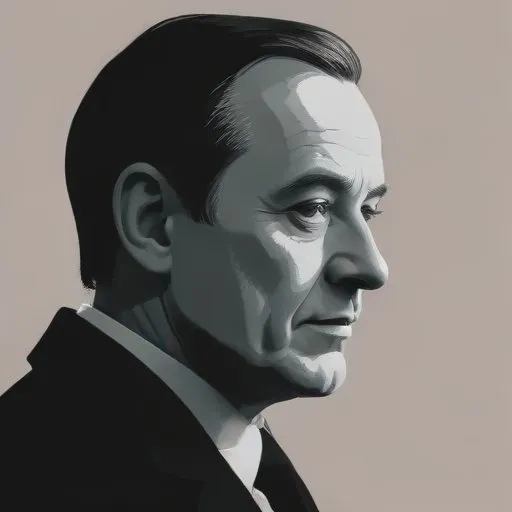
Scottish director, playwright, and screenwriter behind iconic films like "The Man in the White Suit" and "A Man Called Intrepid", known for blending wit and social commentary.
Roger MacDougall was a Scottish playwright, screenwriter, and director, renowned for his contributions to the world of theatre and cinema. He is best known for his iconic films, such as The Man in the White Suit, which earned him an Academy Award nomination in 1952, and The Mouse That Roared, a satirical comedy that has become a cult classic.
MacDougall's writing career began in the late 1930s, when he started writing screenplays, both solo and in collaboration with others. During the 1950s, most of his plays were produced, showcasing his exceptional talent for crafting compelling stories and characters. His 1952 play, Escapade, enjoyed a successful run in the West End and was later adapted into a film of the same title.
As a screenwriter, MacDougall worked with some of the most prominent filmmakers of his time, including his cousin, Alexander Mackendrick. Their collaboration on The Man in the White Suit resulted in a cinematic masterpiece that continues to be celebrated to this day.
In 1953, MacDougall was diagnosed with multiple sclerosis, a debilitating disease that would eventually leave him significantly disabled. However, he refused to give in to his condition. Through his disillusionment with conventional medical treatments, he developed a diet loosely based on a paleolithic diet, which he claimed returned him to good health and sustained remission.
MacDougall's determination to share his experience with others led him to publish a pamphlet detailing his diet, with the hope of helping fellow patients achieve similar results. This remarkable story of resilience and determination has inspired countless individuals struggling with chronic illnesses.
Some of MacDougall's notable works include:
Roger MacDougall's legacy extends beyond his impressive body of work, serving as a testament to the human spirit's ability to overcome adversity and achieve greatness. His contributions to the world of theatre and cinema continue to inspire generations of artists, writers, and filmmakers.
Born in 1904
A renowned thespian, celebrated for his commanding stage presence and iconic performances in Shakespearean plays and films, earning him a knighthood.
Born in 1914
A renowned actor who brought iconic characters to life on screen, including Obi-Wan Kenobi in the Star Wars franchise.
Born in 1907
A renowned thespian who dominated the British stage and screen, bringing Shakespearean characters to life with his commanding presence and rich voice.
Born in 1911
A renowned playwright and screenwriter of the 20th century, known for crafting intricate, emotionally charged dramas that probed the British upper class, often exploring themes of love, morality, and social convention.
Born in 1899
A renowned English actor, playwright, and composer, known for his witty humor, sophisticated style, and iconic works like "Private Lives" and "Blithe Spirit".
Born in 1908
Acclaimed filmmaker behind epic, visually stunning movies like "Lawrence of Arabia" and "Doctor Zhivago", known for his meticulous attention to detail and sweeping cinematography.
Born in 1902
A renowned stage and screen actor, celebrated for his distinctive voice and authoritative presence, starring in iconic films like "David Copperfield" and "Doctor Zhivago".
Born in 1902
Directed films that showcased wit, sophistication, and nuanced character studies, often blending drama and comedy, with a distinctive visual style. Known for adapting notable literary works into acclaimed cinematic experiences.
