


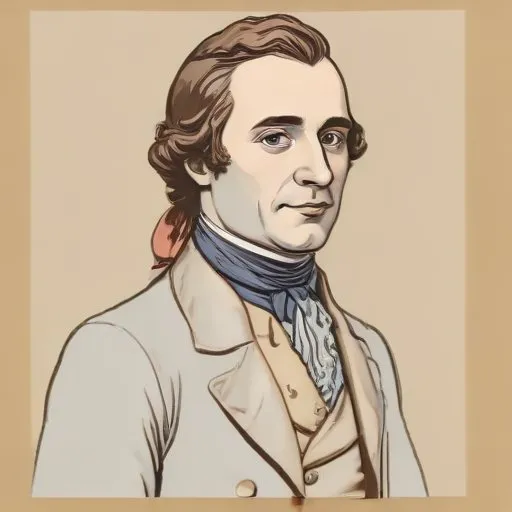
A 17th-century French memoirist and epistolary writer, known for his scandalous and witty letters that exposed the secrets of the aristocracy. His writings offer a unique glimpse into the lives of French nobility during the reign of Louis XIV.
Roger de Rabutin, Comte de Bussy, is famously known for his salacious and provocative memoirs, which scandalized 17th-century France with their candid tales of love, war, and court intrigue. His most notorious work, Histoire Amoureuse des Gaules, is still considered one of the most infamous and daring literary endeavors of the period.
Born in 1618, Rabutin was a member of the minor nobility and grew up in a world of chivalry and martial valor. He began his military career at the tender age of 15, fighting in several campaigns and rising through the ranks to become a respected and decorated officer.
It was during his military service that Rabutin began writing his memoirs, which would eventually become the talk of the town in Paris. His writing style was unprecedented – frank, witty, and unapologetic, with a focus on the personal and intimate aspects of the aristocratic lifestyle. The publication of Histoire Amoureuse des Gaules in 1665 sparked a firestorm of controversy, with many accusing Rabutin of obscenity and libel.
Rabutin's writing was not only provocative but also intellectually curious, reflecting his fascination with the human condition and the nature of love and relationships. His memoirs can be seen as a philosophical exploration of the complexities of the human heart, with Rabutin positing that love is a fundamental aspect of human existence.
Rabutin's literary innovations and willingness to push boundaries have had a lasting impact on French literature and beyond. His emphasis on personal narrative and confessional writing paved the way for later authors, such as Jean-Jacques Rousseau and Madame de La Fayette.
Rabutin's most notable works include:
Rabutin's writing was often criticized for its perceived immorality and lack of decorum. Despite this, he remained unapologetic and defiant, refusing to be swayed by public opinion or censorship.
One of Rabutin's most famous quotes is: "Love is the only thing that makes us forget ourselves, and it's the only thing that makes us remember ourselves."
Rabutin's memoirs offer a fascinating glimpse into the excesses and intrigues of 17th-century France, a period marked by both grandeur and turmoil. His writing continues to captivate readers and inspire writers to this day, ensuring his place as one of the most important and influential French authors of all time.
Here is a brief visual timeline of Rabutin's life:
 1618: Birth of Roger de Rabutin, Comte de Bussy
 1633: Begins military service at the age of 15
 1665: Publication of Histoire Amoureuse des Gaules
 1671: Marriage to Madame de Sévigné
Roger de Rabutin, Comte de Bussy, was a true original – a rebel, a provocateur, and a master of the written word. His scandalous memoirs continue to enthrall and inspire, offering a glimpse into the complexities of the human heart and the excesses of 17th-century France.
Born in 1622
A 17th-century master of comedy, he penned witty plays that satirized the French aristocracy, leaving a lasting impact on Western theater. His works remain widely performed and adapted today.
Born in 1645
A 17th-century French moralist and satirist, known for his witty and insightful writings on human nature, morality, and society, offering a timeless critique of his era's social ills.
Born in 1606
A 17th-century French mastermind behind iconic plays like "Le Cid" and "Horace", known for pioneering the classical French tragedy genre.
Born in 1694
A witty and insightful 18th-century writer and philosopher who used satire to critique societal norms and advocate for reason, tolerance, and human rights.
Born in 1636
A 17th-century French poet and critic who advocated for reason and morality in literature, and is known for his influential writings on poetry and aesthetics.
Born in 1639
A 17th-century master of French tragedy, crafting intricate, psychologically complex dramas that probed the human condition, influencing the development of Western theatre.
