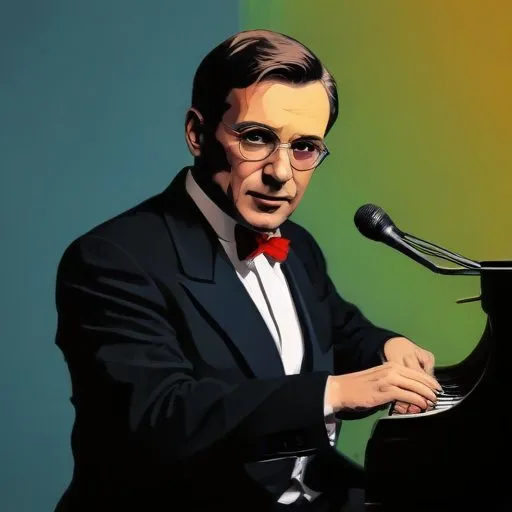
Rudolf Kempe: The Maestro of Opera
Conducting Legacy
Rudolf Kempe, a German conductor, is renowned for his exceptional interpretations of opera and symphonic repertoire, leaving an indelible mark on the world of classical music. With a career spanning over three decades, Kempe is particularly recognized for his work with the Dresden Opera and the Staatskapelle Dresden, where he served as chief conductor from 1949 to 1952.
Early Life and Education
Born on June 14, 1910, in Dresden, Germany, Kempe began his musical journey at the tender age of 14, studying at the Dresden State Opera School. He played the oboe in the opera orchestra of Dortmund and later in the Leipzig Gewandhaus orchestra, where he honed his skills as a soloist, chamber musician, and accompanist.
Career Highlights
- Directed the Dresden Opera and the Staatskapelle Dresden from 1949 to 1952, making his first recordings, including Der Rosenkavalier, Die Meistersinger, and Der Freischütz.
- Maintained a lifelong relationship with the Dresden orchestra, recording some of his most iconic performances with them during the stereo era.
- Launched his international career with engagements at the Vienna State Opera in the 1951 season, conducting Die Zauberflöte, Simon Boccanegra, and Capriccio.
- Served as chief conductor of the Bavarian State Opera in Munich from 1952 to 1954, and later as a guest conductor at the Royal Opera House in London.
Style and Influence
Kempe's unique conducting style was characterized by his unwavering attention to detail, gentle yet assertive baton technique, and ability to elicit sublime performances from his orchestras. His interpretations of
Richard Strauss's operas, such as
Der Rosenkavalier and
Salome, are particularly celebrated for their nuance and lyricism.
Personal Life and Milestones
- Consisted into the German army during World War II, where he was directed into musical activities, playing for the troops and later taking over the chief conductorship of the Chemnitz opera house.
- Declined the position of Music Director at Covent Garden, citing his commitment to his work in Dresden and Munich.
- Kempe passed away on May 12, 1976, leaving behind a legacy of exceptional music-making and a generation of conductors inspired by his work.
Lasting Impact
Rudolf Kempe's remarkable career serves as a testament to his dedication to the art of conducting. His numerous recordings, many of which are still widely regarded as benchmarks, continue to inspire and influence conductors and music lovers alike. As a trailblazer in the world of opera and classical music, Kempe's legacy will endure for generations to come.
FAQ
What was Rudolf Kempes role in the world of classical music?
Rudolf Kempe was a German pianist and conductor who made significant contributions to the world of classical music. He is known for his performances of German Romantic music.
What orchestras did Rudolf Kempe conduct?
Rudolf Kempe conducted several orchestras during his career, including the Royal Philharmonic Orchestra and the Munich Philharmonic Orchestra. He was particularly known for his performances of Richard Strausss music.
How did Rudolf Kempes conducting style influence the development of classical music?
Rudolf Kempes conducting style, which emphasized precision and nuance, influenced the development of classical music by setting a high standard for orchestral performance.
What were some of Rudolf Kempes most famous recordings?
Rudolf Kempes most famous recordings include his performances of Richard Strausss Der Rosenkavalier and Also sprach Zarathustra. His recordings are still widely regarded as among the best in the classical music repertoire.
What awards and recognition did Rudolf Kempe receive for his contributions to classical music?
Rudolf Kempe received numerous awards and recognition for his contributions to classical music, including the prestigious Grand Prix du Disque. He is widely regarded as one of the greatest conductors of the 20th century.