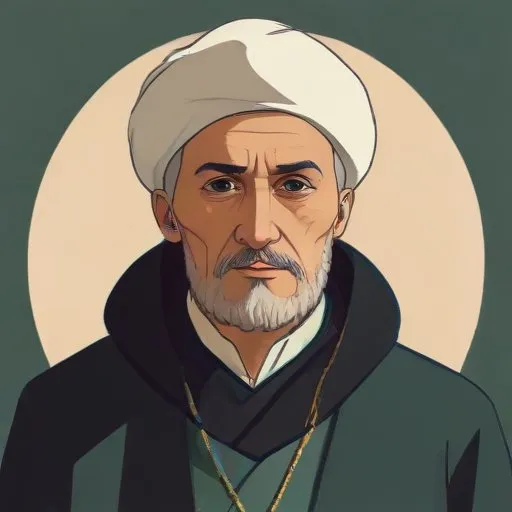
Salawat Yulayev: The Bashkir National Hero Who Led the Pugachev's Rebellion
A Leader of the Uprising and a Poet of the People
Salawat Yulayev, a Bashkir national hero, is most renowned for his instrumental role in leading the Pugachev's Rebellion, a pivotal moment in Russian history. As a poet and singer, he used his artistic talents to inspire and mobilize the Bashkir people to take a stand against the Russian imperial authorities.
Early Life and Inspiration
Born on June 16, 1756, in the village of Tekeyevo, Orenburg Governorate, Salawat Yulayev grew up in a family steeped in Bashkir tradition and culture. His father, Yulay Aznalin, was a respected votchinnik (holder of a patrimonial estate) and a Bauermeister (district foreman), known for his intelligence, influence, and loyalty to the Imperial Russian government.
The Spark of Rebellion
The catalyst for Salawat's involvement in the rebellion was the injustice suffered by his family and community. In 1768, the Orenburg governor, Prince Putyatin, appointed Yulay Aznalin as the foreman of the Bashkir command, but soon after, the merchant Tverdyshev granted collegiate accessory rank and deprived Yulay of his land to build Simsky plant and villages. This led to widespread discontent among the Bashkir people, who felt their land and rights were being stripped away.
The Rebellion Unfolds
In 1773, Salawat and his father joined Yemelyan Pugachev's rebellion, which aimed to overthrow the Russian imperial authorities and establish a more equitable system. As a leader of the Bashkortostan uprising, Salawat played a crucial role in mobilizing the Bashkir people and inspiring them to take up arms against the Russian government.
Capture and Punishment
On November 24, 1774, Salawat was seized by the Russian authorities, along with his father, and put into irons. They were sent to Moscow, where they faced harsh punishment. Ten months later, in September 1775, they were publicly lashed in the places where the largest battles with the Russian governmental armies took place. Their faces and foreheads were branded, and they were eventually sent to the Baltic fortress of Rogervik (now the city of Paldiski in Estonia) for life imprisonment.
Legacy and Impact
Despite the brutal treatment he suffered, Salawat Yulayev's legacy as a national hero and leader of the Bashkir people has endured. His poetry and songs continue to inspire and motivate the Bashkir people, and his role in the Pugachev's Rebellion is remembered as a pivotal moment in the fight for Bashkir independence and self-determination.
Inspirational Quotes
- "The fire of freedom burns bright in the hearts of our people." - Salawat Yulayev
- "We will not be silenced, we will not be oppressed. We will rise up and take our rightful place." - Salawat Yulayev
Historical Context and Legacy
Salawat Yulayev's rebellion took place during a time of great upheaval in Russia, marked by peasant uprisings, wars with neighboring countries, and the rise of the Russian nobility. His actions, though ultimately unsuccessful in achieving independence, paved the way for future generations of Bashkir leaders and activists to continue the fight for self-determination and cultural preservation.
Comparative Analysis with Contemporaries
While Yemelyan Pugachev is often credited as the leader of the rebellion, Salawat Yulayev's role as a Bashkir leader and poet sets him apart as a unique figure in Russian history. His contributions to the rebellion, both militarily and culturally, are a testament to his dedication to his people and his ideals.
Personal Milestones and Key Life Events
- 1756: Born in Tekeyevo, Orenburg Governorate
- 1768: Father, Yulay Aznalin, appointed foreman of the Bashkir command
- 1773: Joined Yemelyan Pugachev's rebellion
- 1774: Captured by Russian authorities and put into irons
- 1775: Publicly lashed and branded, sent to life imprisonment in Rogervik
- 1800: Died in Rogervik, Estonia
By examining the life and legacy of Salawat Yulayev, we can gain a deeper understanding of the complexities of Russian history and the ongoing struggle for Bashkir self-determination.
FAQ
What was Salawat Yulayevs role in Russian literature?
Salawat Yulayev was a prominent Russian poet who played a significant role in the development of Russian literature. He was known for his romantic and patriotic poetry, which celebrated the beauty of the Russian landscape and the heroism of the Russian people.
What were Salawat Yulayevs contributions to Bashkir literature?
Salawat Yulayev was a key figure in Bashkir literature, which is the literature of the Bashkir people, a minority ethnic group in Russia. He wrote in both Russian and Bashkir, and helped to promote Bashkir language and culture.
What was Salawat Yulayevs role in the Pugachev Rebellion?
Salawat Yulayev was a supporter of the Pugachev Rebellion, a peasant uprising that took place in Russia in the late 18th century. He wrote poetry and songs that celebrated the rebellion and its leaders.
What were Salawat Yulayevs views on Russian politics?
Salawat Yulayev was a strong critic of the Russian autocracy and believed in the principles of democracy and liberty. He advocated for greater autonomy for the Bashkir people and other minority groups in Russia.
What is Salawat Yulayevs legacy in modern Russian literature?
Salawat Yulayevs legacy in modern Russian literature is that of a pioneering poet and writer who helped to promote Bashkir language and culture. He is remembered as a champion of freedom and democracy, and his poetry continues to inspire readers today.