


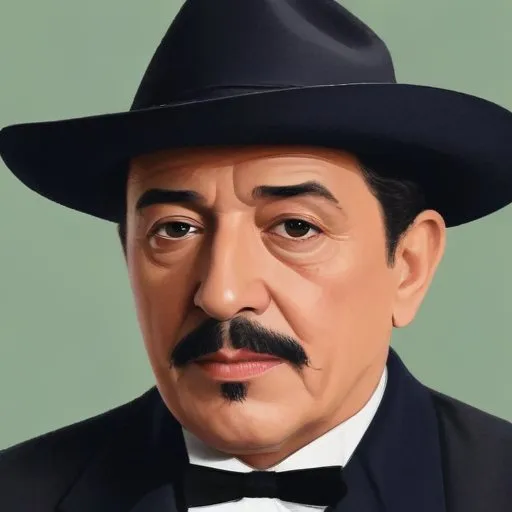
A Mexican literary figure who explored the boundaries of language and narrative in his works, often blending genres and pushing the limits of traditional storytelling. He's known for his innovative and avant-garde style.
Salvador Elizondo Alcalde, a renowned Mexican writer, is celebrated for his groundbreaking literary style, which has left an indelible mark on Latin American literature. He is particularly admired for his innovative and cosmopolitan approach, blending elements from diverse literary currents and languages to craft a unique narrative voice.
Elizondo's most notable works, such as Farabeuf (1965) and El hipogeo secreto (1968), have garnered widespread acclaim for their experimental and intelligent style. These novels showcase his unique ability to merge different literary traditions, creating a distinctive and captivating narrative voice.
Elizondo's literary style has been likened to that of esteemed writers such as Ezra Pound, James Joyce, Julio Cortázar, Juan Rulfo, and Georges Bataille. His work has been classified as postmodern literature, characterized by its use of autofiction, metafiction, and metalepsis, which challenge traditional notions of fiction.
A dedicated professor at the National Autonomous University of Mexico (UNAM) for 25 years, Elizondo mentored notable writers like Pablo Soler Frost. He was also a recipient of prestigious international grants, including the Guggenheim and Rockefeller awards. In 1990, he was honored with the National Prize of Literature, a testament to his significant contributions to Mexican literature.
Salvador Elizondo's literary contributions have had a profound impact on modern Mexican literature. His innovative style has inspired generations of writers, and his influence can be seen in the works of many contemporary authors. Elizondo's legacy continues to evolve, as his works remain a testament to his boundless creativity and intellectual curiosity.
Elizondo's funeral was held at the Palacio de Bellas Artes in Mexico City, a fitting tribute to a man who dedicated his life to the pursuit of literary excellence. His passing on March 29, 2006, marked the end of an era, but his literary legacy will continue to inspire and captivate readers for generations to come.
Born in 1914
A Mexican poet and diplomat who won the Nobel Prize in Literature in 1990 for his work that explores the intersection of poetry, philosophy, and politics. He's known for his lyrical and introspective style that explores the human condition.
97 Years Old
A renowned Mexican writer, celebrated for his novels and essays that explored the complexities of Mexican identity, politics, and culture. His works often blended mythology, history, and fantasy to create a unique narrative style.
Born in 1917
A pioneering writer and photographer who blended magical realism with stark social commentary, capturing the essence of rural Mexico through his poignant and evocative works.
Born in 1914
A pioneering figure in magical realism, blending fantastical elements with everyday life in his novels and short stories, exploring the human condition and social commentary.
99 Years Old
A Colombian journalist and author who crafted magical realism, a literary style that blends fantasy and reality, and won the Nobel Prize in Literature in 1982. His works are known for their vivid storytelling and exploration of human experience.
90 Years Old
A Nobel Prize-winning writer and politician who explored the complexities of Peruvian society through his novels and essays, and later ran for president. His works often blended politics, history, and fiction.
Born in 1899
A visionary writer who crafted intricate, philosophical tales that blurred reality and fantasy, influencing generations of authors and thinkers. 82
Born in 1904
A Chilean poet and diplomat who wrote passionate and evocative poetry that explored love, politics, and the human condition, and was awarded the Nobel Prize in Literature in 1971.
