


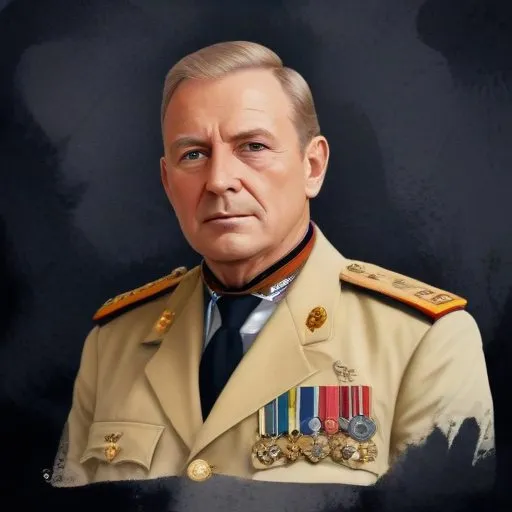
A leading figure in the Second Boer War, he served as the sixth President of the South African Republic, playing a key role in the country's struggle for independence. He's also remembered for his efforts to unite the Boer states against British rule.
Schalk Willem Burger is renowned for being the acting president of the South African Republic from 1900 to 1902, a position he held during a tumultuous period in the country's history. As a military leader, lawyer, politician, and statesman, Burger's influence extended far beyond his presidency, leaving an indelible mark on South Africa's fate.
Born on September 6, 1852, Burger's early life was marked by his appointment as a clerk in the office of the field coronet at the tender age of 21. This was followed by his marriage to Alida Claudina de Villiers, a union that would last a lifetime. His early military career saw him participate in various conflicts, including the Sekhukhune Wars of 1876 and the First Boer War of 1881, where he served as acting field cornet.
In 1885, Burger's leadership skills were recognized, and he was elected as commandant of the Lydenburg Commando. During the Second Boer War, he played a crucial role as commandant-general in several military conflicts, including the battles of Spion Kop and Modder River on October 30, 1899. Although criticized for his military tactics during the siege of Ladysmith and the withdrawal from Spionkop, Burger's dedication to his country remained unwavering.
Burger's influence in politics grew significantly, earning him the reputation of being an enlightened and shrewd politician. In 1887, he was elected to the Volksraad, and later served as the Chairman of Volksraad from 1895 to 1896. His political career was further catapulted when he became Vice President under President Paul Kruger in March 1900. Following Kruger's departure for Europe in September 1900, Burger succeeded him as state president.
As president, Burger advocated for a cessation of hostilities during the military tribunal in May 1901, but his proposal was met with strong opposition from President Marthinus Theunis Steyn of the Orange Free State. Despite this, Burger remained committed to his duties, serving as president until the Treaty of Vereeniging on May 31, 1902.
After the war, Burger traveled to Europe, visiting The Hague, and in 1905, became a founding member of the Het Volk party. His legacy as a military leader, politician, and statesman continues to be remembered in South Africa, a testament to his unwavering dedication to his country.
Schalk Willem Burger's life serves as a testament to his unrelenting passion for his country, his people, and his ideals. His contributions to South African history continue to inspire generations, solidifying his place as one of the country's most memorable leaders.
Born in 1825
The 5th President of the South African Republic, a Boer war hero who fought against British colonization, and later became a symbol of Afrikaner nationalism. He's most known for his resistance against British rule and his role in shaping South Africa's history.
Born in 1870
A skilled lawyer and politician who played a key role in shaping South Africa's government and served as a prominent international statesman. He's also known for his influential ideas on holism and evolution.
90 Years Old
The last State President of apartheid-era South Africa who led the country's transition to democracy and was awarded the Nobel Peace Prize for his efforts. He's known for his role in releasing Nelson Mandela from prison and dismantling the apartheid system.
Born in 1918
A South African lawyer and politician who fought against apartheid, becoming the country's first black president and a symbol of racial reconciliation, earning a Nobel Peace Prize. He's a beacon of hope and freedom.
84 Years Old
The second President of South Africa, a key figure in the country's transition from apartheid to democracy, known for his economic reforms and HIV/AIDS controversy.
