


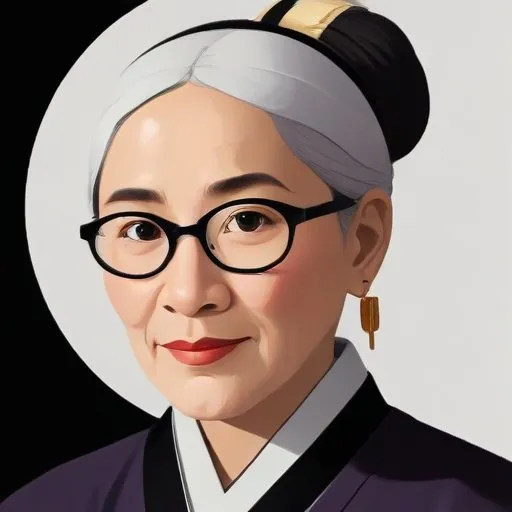
A renowned Chinese writer and educator, celebrated for his vivid portrayals of rural life and cultural heritage in modern Chinese literature. His works often explored the complexities of human relationships and social change.
Shen Congwen is revered as one of the most exceptional modern Chinese writers, often mentioned alongside the iconic Lu Xun. His works masterfully wove together regional culture and identity, setting him apart from his contemporaries.
Shen Congwen is widely regarded as the most significant native soil writer in modern Chinese literature. This term refers to authors who focused on the lives and experiences of ordinary people in rural China. His unique approach to storytelling earned him a devoted following and critical acclaim.
One of Shen Congwen's most notable contributions to Chinese literature was his seamless blend of classical Chinese writing techniques with the vernacular style. This fusion allowed him to craft stories that were both accessible and deeply rooted in China's rich cultural heritage.
Among Shen Congwen's numerous outstanding compositions, the novella Border Town stands out as a true masterpiece. The tale of an old ferryman and his granddaughter Cuicui's love story has captivated readers for generations, showcasing the author's remarkable skill in portraying the intricacies of human relationships.
In 1933, Shen Congwen married Zhang Zhaohe, and the couple had two sons and one daughter together. Their union was marked by a deep love for literature and each other, providing a stable foundation for Shen's prolific writing career.
In a poignant twist of fate, Shen Congwen was slated to receive the 1988 Nobel Prize in Literature, but his passing on May 10, 1988, prevented him from accepting the award. This recognition would have solidified his position as a literary giant, but his legacy continues to inspire and influence generations of writers and readers alike.
Born Shen Yuehuan on December 28, 1902, in Fenghuang, West Hunan Province, Shen Congwen was the fourth of nine children. His family's heritage was marked by a strong cultural identity, with his paternal grandfather, Shen Hongfu, being a decorated general and local hero. Shen Congwen's later life was marked by a deep appreciation for his heritage, which he only publicly acknowledged in the 1980s.
Following the founding of the Republic of China in 1912, Shen Congwen's father, Shen Zongsi, hoped to become elected to the provincial assembly. However, his involvement in a failed plot to assassinate President Yuan Shikai led to his forced exile in Inner Mongolia. This sudden disappearance had a profound impact on the family, leading to a gradual decline in their fortunes.
Shen Congwen's literary works often explored the complexities of human relationships, regional identity, and cultural heritage. His writing style, which bridged classical and vernacular techniques, served as a reflection of his belief in the importance of understanding and preserving China's rich cultural legacy.
Shen Congwen's literary contributions have been recognized and celebrated through various awards and honors. Although he did not receive the Nobel Prize in Literature, his work continues to inspire and influence generations of writers and readers.
Shen Congwen's life and works are deeply intertwined with the tumultuous history of modern China. His writing serves as a testament to the power of literature in preserving cultural heritage and regional identity. As a native soil writer, Shen Congwen's legacy continues to resonate with readers, offering a unique window into China's complex cultural landscape.
Shen Congwen's remarkable life and literary career serve as a testament to the transformative power of storytelling. His dedication to preserving regional culture and identity has inspired countless writers, ensuring that his legacy continues to inspire and motivate generations to come.
Born in 1893
Leader of the Chinese Communist Party who implemented radical social and economic reforms, including the Great Leap Forward and the Cultural Revolution, shaping modern China's politics and economy.
Born in 1009
A renowned poet and essayist of the Song Dynasty, known for his lyrical and expressive writings that explored themes of nature, politics, and human emotions.
Born in 1904
A pioneering female writer and educator who explored themes of feminism, socialism, and individuality in her works, leaving a lasting impact on Chinese literature.
