


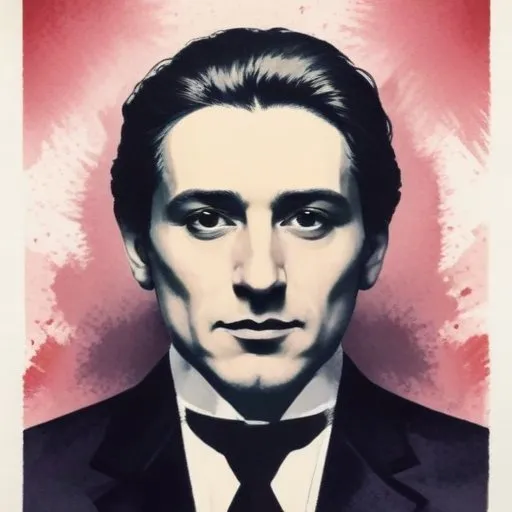
A virtuosic pianist and composer, known for his technically demanding and expressive performances, particularly in the Romantic era. He was a prominent figure in the development of opera and concert music.
Sigismond Thalberg was a renowned Austrian composer and one of the most distinguished virtuoso pianists of the 19th century, known for his exceptional technical skill and expressive playing style. With a career spanning over four decades, Thalberg mesmerized audiences with his performances, earning him the title of "Liszt's greatest rival."
Thalberg was born on January 8, 1812, in Pâquis, near Geneva. Although his birth certificate lists Joseph Thalberg and Fortune Stein as his parents, Thalberg claimed to be the illegitimate son of Moritz, Prince of Dietrichstein, and Maria Julia Bydeskuty von Ipp. Thalberg's early life remains somewhat of a mystery, but it is believed that his mother, Julia, brought him to Vienna at the age of 10.
Thalberg received his early musical education from his putative mother, Baroness von Wetzlar, who was an accomplished amateur pianist. He later studied with Ignaz Moscheles in London, where he made his first public performance in 1826. Moscheles, a renowned pianist and composer, recognized Thalberg's exceptional talent, stating that he had already reached a level where no further instruction was needed to become a great artist.
Thalberg's career was marked by numerous performances across Europe and the United States. He was known for his incredible technique, which allowed him to perform complex compositions with ease. Thalberg was particularly famous for his piano transcriptions of opera fantasies, which showcased his remarkable skill and creativity.
Thalberg's impact on piano music was significant, influencing many pianists and composers of his time. His innovative transcriptions and compositions expanded the technical possibilities of the piano, pushing the boundaries of what was thought possible.
Thalberg's legacy can be seen in the works of later composers, such as Franz Liszt, who was heavily influenced by Thalberg's playing style and compositions. Liszt often performed Thalberg's works, further solidifying his reputation as a master pianist and composer.
Thalberg's personal life was marked by controversy and mystery. He was known for his extramarital affairs and was involved in several scandals throughout his life.
Sigismond Thalberg's contribution to piano music is undeniable. His exceptional technical skill and innovative compositions paved the way for future generations of pianists and composers.
Thalberg's legacy extends beyond his music, as he played a significant role in shaping the cultural landscape of the 19th century. His performances and compositions reflected the era's fascination with opera and classical music, solidifying his place in music history.
Today, Thalberg's music remains a testament to his remarkable talent, and his influence can be seen in the works of many pianists and composers who followed in his footsteps.
Born in 1811
A virtuosic pianist and composer who revolutionized classical music with his technically demanding and emotionally expressive works, blending Hungarian folk influences with Romantic-era drama.
Born in 1810
A Polish pianist and composer renowned for his delicate, expressive, and technically demanding piano music that evokes deep emotions and continues to inspire generations of musicians and music lovers. His nocturnes, waltzes, and preludes are staples of classical music.
Born in 1810
A renowned Romantic-era composer and influential music critic, known for his expressive and emotionally charged works, including symphonies, piano music, and art songs.
Born in 1833
A renowned pianist and composer, he crafted complex, expressive works that blended traditional and innovative techniques, leaving an indelible mark on classical music.
Born in 1829
A renowned Russian musician of the Romantic era, celebrated for his virtuosic piano performances and compositions that blended Russian folk elements with Western classical music traditions.
Born in 1809
A renowned 19th-century musician who masterfully blended classical and romantic styles, creating iconic works like the "Wedding March" and "Elijah" oratorio. His compositions continue to inspire and influence generations of artists.
Born in 1813
A renowned composer of iconic operas like La Traviata and Aida, known for his masterful blending of drama and music. His works continue to captivate audiences worldwide.
Born in 1803
A French Romantic-era mastermind who composed iconic symphonies, operas, and orchestral works, revolutionizing classical music with his bold, expressive style.
