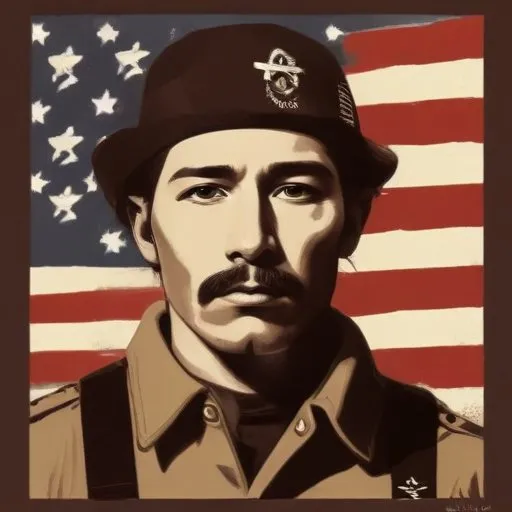
Silas Soule: The Unwavering Abolitionist and Champion of Freedom
A Fearless Conductor on the Underground Railroad
Silas Soule is best known for his courageous efforts as a conductor on the Underground Railroad, risking his life to escort escaped slaves from Missouri to freedom in the northern states. His unwavering dedication to the abolitionist movement and his role as a Kansas Jayhawker made him a prominent figure in the struggle against slavery in the mid-19th century.
Early Life and Family Ties
Born on July 26, 1838, in Bath, Maine, Soule descended from George Soule, a Mayflower passenger. His family was deeply rooted in abolitionist values, and his father, Amasa, established their household as a stop on the Underground Railroad in Kansas. Soule's early life was marked by his family's relocation to the Kansas Territory, where he became exposed to the harsh realities of slavery and the conflicts surrounding it.
The Kansas Jayhawker and John Brown's Ally
As a teenager, Soule became involved with
John Brown's movement, supporting the radical abolitionist's efforts to end slavery. He participated in the Bleeding Kansas conflict, which pitted proslavery forces from Missouri against abolitionist forces from Kansas. Soule's involvement in this tumultuous period solidified his commitment to the cause of freedom and equality.
Military Service and the Sand Creek Massacre
During the American Civil War, Soule joined the Colorado volunteers and rose to the rank of captain in the Union Army. He was in command of Company D, 1st Colorado Cavalry, which was present at the Sand Creek Massacre on November 29, 1864. This brutal event saw the killing of over 150 Cheyenne and Arapaho people, mostly women and children. Soule's testimony at the subsequent U.S. military hearing in February 1865 condemned the actions of his fellow soldiers, showcasing his unwavering moral compass.
Murder and Legacy
Tragically, Soule's life was cut short on April 23, 1865, when he was murdered in what many believed was retaliation for his testimony about the Sand Creek Massacre. His death served as a stark reminder of the dangers faced by those who dared to challenge the status quo and fight for justice. Soule's legacy as a champion of freedom and equality continues to inspire generations today.
Personal Milestones and Key Life Events
- Born on July 26, 1838, in Bath, Maine
- Relocated to the Kansas Territory with his family in 1854
- Became involved with John Brown's movement as a teenager
- Served as a conductor on the Underground Railroad, escorting escaped slaves to freedom
- Participated in the Bleeding Kansas conflict
- Joined the Colorado volunteers and rose to the rank of captain in the Union Army during the American Civil War
- Testified at the U.S. military hearing about the Sand Creek Massacre in 1865
- Murdered on April 23, 1865
Soule's life serves as a testament to the power of conviction and the importance of standing against oppression. His bravery and selflessness continue to inspire us today, reminding us that the struggle for freedom and equality is ongoing, and that our voices must be heard.
FAQ
What was Silas Soules role in the Sand Creek Massacre?
Silas Soule was an American soldier and whistleblower who played a crucial role in exposing the atrocities committed during the Sand Creek Massacre, a brutal attack on a Cheyenne and Arapaho village in Colorado Territory.
How did Silas Soules actions impact the investigation into the Sand Creek Massacre?
Silas Soules testimony and evidence helped to expose the truth about the massacre, leading to a Congressional investigation and eventual condemnation of the atrocities committed.
What were Silas Soules views on the treatment of Native Americans?
Silas Soule believed in the importance of treating Native Americans with dignity and respect, and spoke out against the brutality and injustice faced by Native American communities.
How did Silas Soules experience in the American West shape his views on expansion and colonialism?
Silas Soules experiences in the American West, including the Sand Creek Massacre, shaped his views on the dangers of unchecked expansion and colonialism, leading him to advocate for greater accountability and reform.
Sub-question: How did Silas Soules life reflect his commitment to justice and humanity?
Silas Soules life was marked by his commitment to justice and humanity, as he risked his own safety and reputation to expose the truth about the Sand Creek Massacre and advocate for the rights of Native Americans.