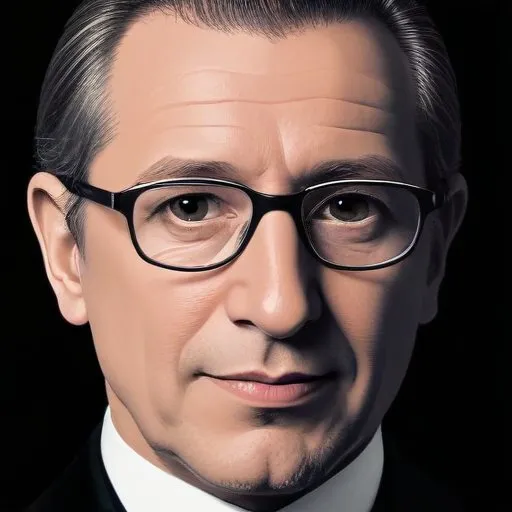
Simon Sechter: The Prolific Austrian Music Theorist and Composer
A Legacy of Musical Pedagogy and Composition
Simon Sechter, an Austrian music theorist, teacher, organist, conductor, and composer, left an indelible mark on the music world. With over 8,000 compositions to his name, Sechter is often regarded as one of the most prolific composers in history, earning him a place among the musical elite of his time.
Early Life and Career
Born on October 11, 1788, in Friedberg, Bohemia (then part of the Austrian Empire), Sechter's musical journey began at a young age. He moved to Vienna in 1804, where he succeeded Jan Vclav Voek as court organist in 1824. Sechter's teaching career commenced in 1810 at an academy for blind students, where he taught piano and voice. This experience would lay the foundation for his later work as a professor of composition at the Vienna Conservatory, a position he held from 1851 until his death.
Influence on Future Generations
Sechter's pedagogical prowess is evident in his illustrious list of students, including
Anton Bruckner,
Henri Vieuxtemps, Franz Lachner, and Eduard Marxsen, among many others. His students' careers are a testament to Sechter's teaching methods, which, although strict, instilled a strong foundation in music theory and composition.
Teaching Methods and Philosophies
Sechter's teaching methods were characterized by their rigidity and emphasis on counterpoint. He famously forbade Bruckner from writing original compositions while studying counterpoint with him, a decision that may have inadvertently contributed to Bruckner's future originality. Sechter's approach was rooted in his belief that a strong understanding of music theory was essential for true mastery.
Compositional Contributions
Sechter's compositional output was staggering, with works spanning multiple genres, including sacred music, symphonies, and chamber music. Although his music is largely forgotten today, it was highly regarded during his lifetime, earning him praise from renowned musicians such as Beethoven, Schubert, and Schumann.
Legacy and Impact
Sechter's legacy extends beyond his own compositions to the countless students he taught and inspired. His influence can be seen in the works of Bruckner, who succeeded him at the Vienna Conservatory and went on to become a prominent composer in his own right. Sechter's teachings also shaped the musical landscape of Vienna, fostering a rich cultural heritage that continues to reverberate today.
Personal Life and Later Years
Sechter's final years were marked by financial struggles, largely due to his involvement in a son-in-law's bankruptcy. Despite these challenges, his dedication to music remained unwavering, and he continued to teach and compose until his death on September 10, 1867.
FAQ
What were Simon Sechters contributions to music theory?
Simon Sechter was an Austrian organist, composer, and conductor who made significant contributions to music theory. He developed a comprehensive system of harmony and counterpoint, which was influential in the development of late Romantic music.
What was Simon Sechters role in the Vienna Conservatory?
Simon Sechter taught music theory and composition at the Vienna Conservatory, where he mentored several prominent composers, including Anton Bruckner and Franz Liszt.
What were Simon Sechters compositional works?
Simon Sechter composed several works, including symphonies, chamber music, and choral pieces. His compositions were highly regarded in his time and reflected his expertise in music theory and harmony.
What was Simon Sechters early life and education?
Simon Sechter was born in 1788 in Friedrichstadt, Austria. He received his early education in music from his father and later studied at the Vienna Conservatory.
How did Simon Sechter die?
Simon Sechter died on September 10, 1867, at the age of 79, in Vienna, Austria. He was buried in the Vienna Central Cemetery.