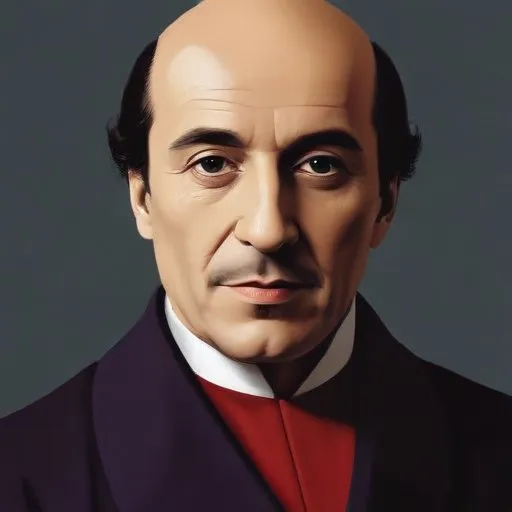
Simon de la Loubre: The French Diplomat Who Brought Indian Astronomy to Europe
A Renaissance Man of Many Talents
Simon de la Loubre, a French diplomat, writer, mathematician, and poet, is credited with introducing Indian astronomy to Europe, as well as sharing the Siamese method of creating magic squares and one of the earliest descriptions of parachutes. His 1687-1688 embassy to Siam (modern-day Thailand) paved the way for a wealth of knowledge exchange between East and West.
The La Loubre-Céberet Mission
In 1687, La Loubre led an embassy to Siam, comprising five warships, which arrived in Bangkok in October of that year. He was received by Okkhun Chamnan, and his mission aimed to establish trade and diplomatic relations between France and Siam. La Loubre returned to France on board the Gaillard on January 3, 1688, accompanied by Jesuit Guy Tachard and a Siamese embassy led by Okkhun Chamnan.
A Document of Great Significance
Upon his return, La Loubre wrote a detailed description of his travels, as requested by King
Louis XIV. His account, published under the title
Du Royaume de Siam, not only shared his observations of Siamese culture and customs but also included an obscure manuscript related to Siamese astronomy. This document, later known as the
Siamese Manuscript, was passed on to French-Italian astronomer Jean Dominique Cassini, who spent two years deciphering its cryptic contents. Cassini's explication of the manuscript, published in La Loubre's book in 1691, laid the foundation for European scholarship on Indian astronomy.
A Philosopher and Poet
La Loubre's philosophical contributions and beliefs were deeply rooted in his fascination with the scientific and cultural advancements of his time. As a poet, he wrote about the beauty of nature and the human experience, showcasing his literary talents.
Career Highlights and Major Works
- Elected member of the Académie française (1693-1729)
- Seat 16, following the 1691 publication of his book Du Royaume de Siam
- Friend and correspondent of German scientist Gottfried Leibniz
- Author of Du Royaume de Siam, a seminal work on Siamese culture, astronomy, and mathematics
Influence on Modern Society
La Loubre's contributions to the introduction of Indian astronomy to Europe had a profound impact on the development of modern astronomy. His work facilitated a better understanding of the night sky, paving the way for future discoveries and advancements in the field.
Legacy and Historical Context
Simon de la Loubre's legacy extends beyond his remarkable journey to Siam. He was a true Renaissance man, whose curiosity and passion for knowledge helped bridge the cultural and scientific divide between East and West. His work remains a testament to the power of diplomacy, cultural exchange, and the pursuit of knowledge.
Comparative Analysis with Contemporaries
La Loubre's accomplishments can be compared to those of other notable figures of his time, such as French explorer and diplomat Alexandre de Chaumont, who also played a significant role in establishing diplomatic relations between France and Siam. However, La Loubre's unique blend of scientific and literary pursuits set him apart from his contemporaries.
Personal Relationships and Anecdotes
La Loubre's friendship with Gottfried Leibniz, a prominent German philosopher and mathematician, showcases his ability to form meaningful connections with like-minded individuals. This friendship demonstrates La Loubre's commitment to fostering intellectual exchange and collaboration.
Impact on Pop Culture
La Loubre's legacy has inspired literary and artistic works, including poetry and fiction that draw inspiration from his travels and experiences in Siam.
Awards and Honors
- Seat 16, Académie française (1693-1729)
Educational Contributions and Influence
La Loubre's work has had a lasting impact on the development of astronomy, mathematics, and cultural studies. His contributions to the introduction of Indian astronomy to Europe have inspired generations of scholars and researchers.
La Loubre's diplomatic efforts and cultural exchanges helped establish France as a key player in international relations, paving the way for future diplomatic missions and cultural collaborations.
Inspirational Stories and Motivations
Simon de la Loubre's remarkable story serves as a testament to the power of curiosity, diplomacy, and the pursuit of knowledge. His accomplishments continue to inspire individuals to explore the world, foster cultural exchange, and push the boundaries of human understanding.