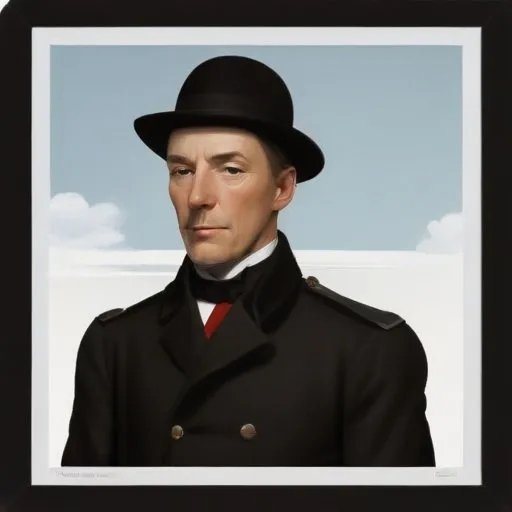
Somerset Lowry-Corry, 4th Earl Belmore: A Life of Nobility and Public Service
A Leader in Government and Beyond
Somerset Lowry-Corry, 4th Earl Belmore, is best known for his distinguished career as a Conservative politician and his notable roles as Governor of New South Wales and Under-Secretary of State for the Home Department. Throughout his life, he demonstrated a strong commitment to public service, playing a significant role in shaping the governance of Ireland and Australia.
Early Life and Education
Born on April 9, 1835, in London, Somerset Lowry-Corry was the eldest son of Armar Lowry-Corry, 3rd Earl Belmore, and his wife Emily Louise Shepherd. He succeeded his father in the earldom at just 10 years old, after which he was educated at Eton and later at Trinity College, Cambridge, where he graduated with a Master of Arts in 1856.
A Career in Politics
Belmore's political career began in 1857 when he was elected as an Irish representative peer, a position he held until his death. He served as Under-Secretary of State for the Home Department from 1866 to 1867, working under the Earl of Derby. In 1868, he was appointed Governor of New South Wales, a role that required him to navigate complex colonial politics.
Governor of New South Wales
During his tenure as Governor, Belmore faced numerous challenges, including the attempted assassination of Prince Alfred, Duke of Edinburgh, in 1868. Despite this incident, Belmore worked tirelessly to calm sectarian tensions and promote stability in the region. One of his most significant achievements was the passage of the Audit Act 1870, which established the principle of government expenditure authorization through appropriation.
Personal Milestones and Key Life Events
- In 1857, Belmore was elected as an Irish representative peer, a position he held until his death.
- In 1866, he was appointed Under-Secretary of State for the Home Department.
- In 1868, he was sworn in as Governor of New South Wales.
- On September 17, 1868, he was appointed to the Privy Council of Ireland.
Legacy and Impact
Somerset Lowry-Corry's legacy is marked by his dedication to public service and his contributions to the governance of Ireland and Australia. As Governor of New South Wales, he played a crucial role in promoting stability and calm in the region, despite facing numerous challenges. His commitment to public service continues to inspire future generations of leaders and politicians.
Trivia and Fun Facts
- Belmore was educated at Eton and Trinity College, Cambridge.
- He was appointed to the Privy Council of Ireland in 1868.
- During his tenure as Governor, Belmore worked to calm sectarian passions in New South Wales.
By examining the life and career of Somerset Lowry-Corry, 4th Earl Belmore, we gain valuable insights into the complexities of colonial politics and the importance of committed public service. His legacy serves as a testament to the enduring power of leadership and dedication.
FAQ
What is Somerset Lowry-Corry, 4th Earl Belmores significance in British history?
Somerset Lowry-Corry, 4th Earl Belmore, was a British nobleman and politician who played a significant role in British history, particularly in the 19th century. His life and career reflect the complexities of British politics and society during this period.
What were Somerset Lowry-Corry, 4th Earl Belmores notable political achievements?
Somerset Lowry-Corry held several political offices, including Member of Parliament and Lord Lieutenant of Ireland. His political career was marked by significant achievements, including the passage of the Catholic Emancipation Act and the Reform Act.
How did Somerset Lowry-Corry, 4th Earl Belmores personal life shape his public career?
Somerset Lowry-Corrys personal life, including his marriage and family relationships, had a significant impact on his public career. His family connections and personal relationships influenced his political alliances and decision-making.
What is Somerset Lowry-Corry, 4th Earl Belmores legacy in British politics and society?
Somerset Lowry-Corrys legacy in British politics and society is complex and multifaceted. While he achieved significant political successes, he also faced criticism and controversy, particularly regarding his handling of Irish affairs.
How has Somerset Lowry-Corry, 4th Earl Belmores life and legacy been remembered and interpreted by historians?
Historians have reassessed and reinterpreted Somerset Lowry-Corrys life and legacy in light of new evidence and perspectives. While some have praised his political achievements, others have criticized his personal and political failings.