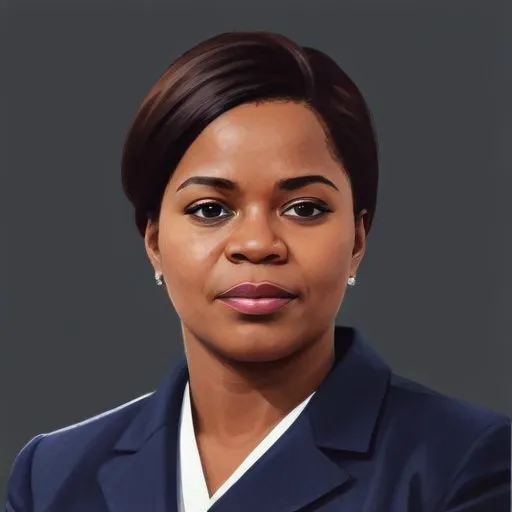
Sophie LihauKanza: A Trailblazing Congolese Politician and Sociologist
A Pioneer in Every Sense
Sophie LihauKanza, also known as Zala Lusibu NKanza, was a groundbreaking Congolese politician and sociologist who shattered glass ceilings throughout her life. As the first woman to receive a secondary education, graduate from a university, and hold a government office in the Democratic Republic of the Congo, she paved the way for future generations of women in her country.
Early Life and Education
Born on February 8, 1940, in Lopoldville, Belgian Congo (now Kinshasa, Democratic Republic of the Congo), Sophie was the sixth of seven children to Elisabeth Mansangaza and Daniel Kanza. She received her primary and secondary education in Brazzaville, French Congo, and was the only woman in her country enrolled in secondary education at the time of Congo's independence in 1960. Sophie graduated from Lyce du Sacr Cur (Sacred Heart High School) in June 1961 and went on to study sociology at the University of Geneva, becoming the first Congolese woman to graduate from a university in 1964.
A Career of Firsts
Sophie's groundbreaking career was marked by a series of firsts. On October 31, 1966, she was appointed Minister of Social Affairs, becoming the first woman to hold a government office in the Democratic Republic of the Congo. During her tenure, she focused on addressing the struggles of the ministry and advocating for equal education opportunities for both boys and girls. She also served as a delegate to the Organisation of African Unity summit in Kinshasa in 1967.
International Recognition and Later Life
Sophie's work and achievements did not go unnoticed on the international stage. She held positions within the United Nations and continued her education, earning a master's degree and PhD in sociology from Harvard University from 1973 to 1976.
Legacy and Impact
Sophie LihauKanza's legacy extends far beyond her multitude of firsts. She inspired generations of women in the Democratic Republic of the Congo and beyond to pursue education and careers in politics and academia. Her tireless advocacy for equal education opportunities and social justice continues to have a lasting impact on her country and the world at large.
Personal Milestones and Key Life Events
- Received her primary and secondary education in Brazzaville, French Congo
- Graduated from Lyce du Sacr Cur (Sacred Heart High School) in June 1961
- Became the first Congolese woman to graduate from a university in 1964
- Appointed Minister of Social Affairs on October 31, 1966
- Served as a delegate to the Organisation of African Unity summit in Kinshasa in 1967
- Held positions within the United Nations
- Earned a master's degree and PhD in sociology from Harvard University from 1973 to 1976
Philosophical Contributions and Beliefs
Sophie LihauKanza's work and legacy are guided by a deep commitment to social justice and equality. Her advocacy for education and women's empowerment reflects her belief in the power of education to transform individuals and society as a whole.
Influence on Modern Society
Sophie LihauKanza's pioneering work has had a lasting impact on modern society. Her legacy inspires continued advocacy for education and women's empowerment, and serves as a powerful reminder of the importance of diversity and representation in politics and academia.
FAQ
What is Sophie Lihau-Kanzas role in Congolese politics?
Sophie Lihau-Kanza is a prominent Congolese politician, serving as a member of the National Assembly and advocating for womens empowerment, education, and human rights in the Democratic Republic of Congo.
What is Sophie Lihau-Kanzas work in promoting womens rights?
Sophie Lihau-Kanza has worked tirelessly to promote womens rights and empowerment in the DRC, pushing for gender equality in education, employment, and political representation, and combating gender-based violence.
How has Sophie Lihau-Kanzas background influenced her politics?
Sophie Lihau-Kanzas experiences as a woman from a rural community have shaped her politics, driving her to advocate for rural development, education, and healthcare, and to promote womens participation in decision-making processes.
What is Sophie Lihau-Kanzas stance on education?
Sophie Lihau-Kanza believes that education is key to unlocking social and economic development in the DRC, and has worked to improve access to quality education, particularly for girls and women, and to promote education as a tool for empowerment.
What is Sophie Lihau-Kanzas vision for the DRCs future?
Sophie Lihau-Kanza envisions a DRC where women and girls have equal opportunities, where education and healthcare are accessible to all, and where sustainable development and peace are priorities, driving her advocacy and policy work.