


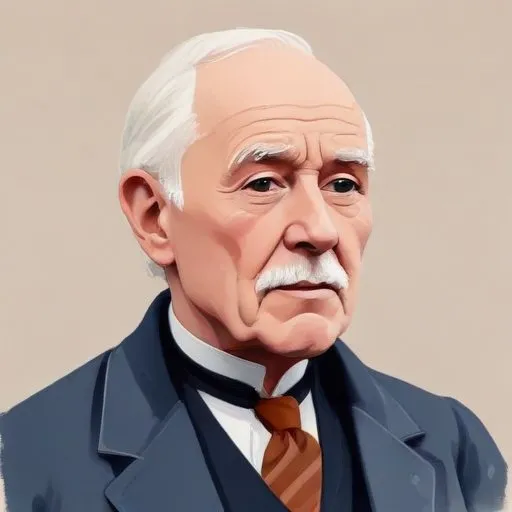
A celebrated poet and educator who explored the intersection of Gaelic culture and modernist poetry, leaving a lasting impact on Scottish literature.
Sorley MacLean, a Scottish Gaelic poet, is renowned for his mastery of the Gaelic language and his profound impact on Scottish literature. He is credited with saving Scottish Gaelic poetry, and his works have been hailed as a unique fusion of traditional and modern elements.
MacLean was born on October 26, 1911, in Raasay, a small island off the west coast of Scotland. He was raised in a strict Presbyterian family, surrounded by Gaelic culture and literature from a young age. This immersion in Gaelic traditions had a profound impact on his poetry, which often reflected his deep connection to his heritage.
In the late 1930s, MacLean befriended many prominent figures of the Scottish Renaissance, including Hugh MacDiarmid and Douglas Young. This exposure to avant-garde thought and artistic innovation undoubtedly influenced his poetry, which began to take on a more modern and experimental tone. During World War II, MacLean served in the Royal Corps of Signals and was wounded three times during the North African Campaign. This experience had a profound impact on his poetry, which often addressed themes of war, social justice, and identity.
MacLean's poetry is characterized by its unique blend of traditional Gaelic elements and modern European influences. He often juxtaposed ancient Celtic motifs with contemporary events, creating a rich tapestry of meaning and symbolism. His work frequently addressed the Highland Clearances, the Spanish Civil War, and other pivotal moments in history, demonstrating his commitment to social justice and human rights.
Despite publishing little after the war due to his perfectionism, MacLean's work gained widespread recognition in the 1970s, when his poems were translated into English. His later poem, "Hallaig," published in 1954, achieved cult status outside Gaelic-speaking circles for its haunting and supernatural representation of a village depopulated during the Highland Clearances. Today, MacLean is widely regarded as one of the major Scottish poets of the modern era, and his work continues to inspire generations of writers, scholars, and readers.
MacLean's contributions to Scottish literature have been recognized with numerous awards and honors. He was awarded an honorary doctorate from the University of Edinburgh in 1985, and his work has been celebrated in various literary festivals and events throughout the UK.
MacLean's poetry reflects his deep commitment to socialism and social justice. He believed that art should serve as a powerful tool for challenging oppressive systems and promoting human rights. His work continues to inspire activists, artists, and writers around the world.
MacLean's life and poetry serve as a powerful testament to the enduring power of art and language. Despite facing numerous challenges and setbacks, he remained committed to his craft, producing works that continue to inspire and motivate generations of readers and writers.
Born in 1892
A leading figure in the Scottish Renaissance, he's renowned for his innovative poetry and advocacy for a distinct Scottish language and culture.
93 Years Old
A confessional and emotionally intense writer who explored themes of mental illness, mortality, and femininity in her work, leaving a lasting impact on contemporary literature.
96 Years Old
A former UK Poet Laureate, known for his vivid and powerful poetry that explores the natural world and the human condition. His writing is infused with a deep sense of mythology and symbolism.
87 Years Old
A renowned Irish wordsmith celebrated for his evocative poetry and plays that explored the human experience, delving into themes of identity, culture, and the complexities of life. His lyrical works often echoed the rhythms of his native land.
Born in 1907
A renowned poet, playwright, and composer who explored themes of love, morality, and social justice through his works, leaving a lasting impact on 20th-century literature.
Born in 1850
A Scottish novelist, poet, and essayist who wrote iconic adventure novels, including "Treasure Island" and "Dr. Jekyll and Mr. Hyde", that have captivated readers for generations.
