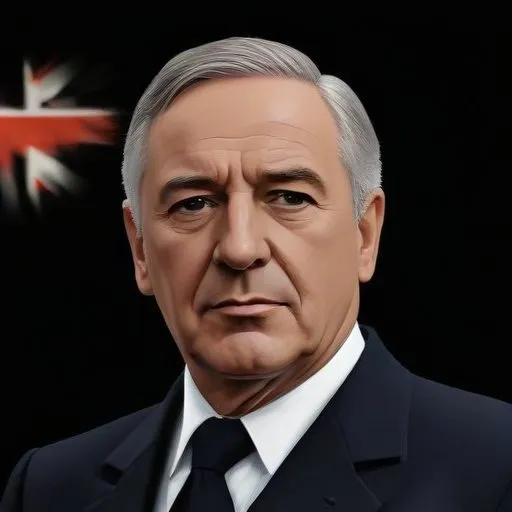
Stanley Bruce: The Visionary Prime Minister of Australia
A Leader of Reforms and Economic Growth
Stanley Melbourne Bruce, 1st Viscount Bruce of Melbourne, is renowned for his remarkable tenure as the eighth Prime Minister of Australia, serving from 1923 to 1929. During his leadership, he implemented a plethora of reforms, bolstered the country's economy, and played a pivotal role in shaping Australia's federal system.
Early Life and Career
Born on April 15, 1883, into a wealthy Melbourne family, Bruce studied at the University of Cambridge and later took on a leading role in his family's softgoods firm after his father's untimely death. His experience in the Gallipoli Campaign during World War I, where he was wounded in 1917, instilled in him a sense of purpose and dedication to public service.
A Rise to Prominence
Bruce's involvement in government recruitment efforts following the war caught the attention of Prime Minister
Billy Hughes, who encouraged him to pursue a political career. Bruce was elected to the House of Representatives in 1918, becoming the member of parliament for the seat of Flinders. His impressive performance led to his appointment as Treasurer in 1921, and eventually, he succeeded Hughes as Prime Minister in 1923.
Reforms and Achievements
During his tenure, Bruce introduced a range of reforms aimed at strengthening the federal system and enhancing Australia's economic potential. Some of his notable achievements include:
- Oversaw the transfer of the federal government to Canberra, marking a significant milestone in the country's history.
- Established the forerunners of the Australian Federal Police and the CSIRO, laying the foundation for these esteemed institutions.
- Implemented the "men, money, and markets" scheme, an ambitious program aimed at rapid population growth and economic expansion through government investment and closer ties with the British Empire.
Challenges and Controversies
Despite his many accomplishments, Bruce's endeavours to overhaul Australia's industrial relations system sparked frequent conflicts with the labor movement. His government's efforts to curb union power and implement anti-socialist measures led to intense criticism and opposition.
Legacy and Impact
Stanley Bruce's lasting impact on Australian politics and society is undeniable. His visionary leadership paved the way for future generations of politicians and policymakers. His commitment to reform and economic growth continues to inspire and influence Australian politics to this day.
Personal Life and Later Years
After leaving office, Bruce continued to play an active role in politics and public life. He was elevated to the peerage as Viscount Bruce of Melbourne in 1947 and passed away on August 25, 1967, leaving behind a legacy of dedication and service to his country.
FAQ
What was Stanley Bruces role in Australian politics?
Stanley Bruce was an Australian politician who served as the 8th Prime Minister of Australia from 1923 to 1929. He was a key figure in Australian politics during the 1920s and played a significant role in shaping the countrys economic and social development.
What were Stanley Bruces key policies?
Stanley Bruces key policies included the development of a national economic strategy, the expansion of social services, and the promotion of Australian trade and industry. He was a strong advocate for protectionism and believed in the importance of government intervention in the economy.
How did Stanley Bruces government respond to the Great Depression?
Stanley Bruces government responded to the Great Depression by implementing a series of measures aimed at stimulating economic recovery, including increased government spending, tax cuts, and the establishment of a national unemployment relief program.
What was Stanley Bruces legacy in Australian politics?
Stanley Bruces legacy in Australian politics is that of a skilled and pragmatic leader who played a key role in shaping the countrys economic and social development during the 1920s. He is remembered as one of the most important Australian prime ministers of the twentieth century.
How did Stanley Bruces experience as a soldier shape his approach to politics?
Stanley Bruces experience as a soldier during World War I had a profound impact on his approach to politics. It instilled in him a sense of discipline and a commitment to public service, which he carried with him throughout his political career.