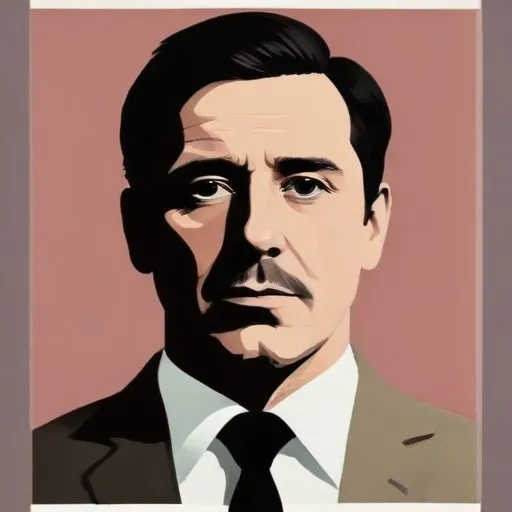
The Prolific Exploitation Filmmaker: Stanley Long
A Pioneer of British Sex Films and Sexploitation Cinema
Stanley Long was a British filmmaker known for his extensive work in the exploitation and sexploitation genres, producing a plethora of low-budget films that showcased his versatility as a writer, cinematographer, editor, and producer-director. With a career spanning over three decades, Long's work embodied the evolution of the British sex film, reflecting the changing attitudes and trends of the time.
Early Life and Career
Born on November 26, 1933, Long began his career as a photographer with the Royal Air Force (RAF). In 1956, he co-founded VistaScreen, a stereoscopic souvenir and collectible company, with the Spring Brothers. However, he sold his shares to Weetabix in 1961 and redirected his focus towards filmmaking.
The Rise of Sexploitation Films
Long's foray into filmmaking began with the production of striptease shorts and glamour home movies for the 8mm market under the banner of Stag Film Productions. His feature film career, which began in the late 1950s, showcased his ability to adapt to changing moral standards and attitudes towards sexuality. His films, including
Nudist Memories (1959) and
The Wife Swappers (1970), navigated the boundaries of what was considered acceptable in the era.
The Adventures Trilogy
Long's most successful films were the
Adventures trilogy, comprising
Adventures of a Taxi Driver (1976),
Adventures of a Private Eye (1977), and
Adventures of a Plumbers Mate (1978). These sex comedy films starred a talented cast, including
Barry Evans,
Diana Dors, and
Harry H. Corbett, and cemented Long's reputation as a master of the genre.
Horror Films and Other Ventures
In addition to his work in sexploitation films, Long also ventured into the horror genre, making several films, including the anthology movie
Screamtime (1983). He was also the cameraman on several British horror movies, including
The Blood Beast Terror and
The Sorcerers.
Legacy and Impact
Stanley Long's contributions to British cinema, particularly in the exploitation and sexploitation genres, are undeniable. His films, though often controversial, reflected the shifting moral landscape of the time and paved the way for future generations of filmmakers. Long's legacy is a testament to his innovative spirit and his ability to push boundaries in the world of cinema.
Personal Life and Later Years
Long passed away on September 10, 2012, leaving behind a body of work that continues to fascinate and intrigue audiences. Despite the controversy surrounding his films, Long's impact on British cinema is undeniable, and his legacy continues to inspire and influence filmmakers today.
Trivia and Fun Facts
- Long was known for his ability to work on a tight budget, often using creative solutions to overcome financial constraints.
- He was a prolific filmmaker, producing and directing over 30 films during his career.
- Long's films often featured a mix of comedy, drama, and social commentary, making them more than just exploitation fare.
FAQ
What was Stanley Longs most famous film?
Stanley Longs most famous film is Adventures of a Taxi Driver, a 1976 sex comedy that was a major commercial success. He wrote and directed several other films, including The Wife Swappers and Naughty.
What was Stanley Longs approach to film direction?
Stanley Long was known for his low-budget, exploitation-style filmmaking approach, which often pushed the boundaries of what was considered acceptable in British cinema.
How did Stanley Longs films reflect British culture?
Stanley Longs films often reflected British culture, particularly the changing social mores of the 1960s and 1970s. His films often explored themes of sex, relationships, and social change.
What was Stanley Longs influence on British cinema?
Stanley Longs influence on British cinema was significant, particularly in the genre of sex comedy. He helped to pave the way for other British filmmakers who wanted to explore more explicit themes in their work.
How did Stanley Longs career evolve over time?
Stanley Longs career evolved over time, moving from directing and producing low-budget films to working in television and eventually returning to directing in the 1990s.