


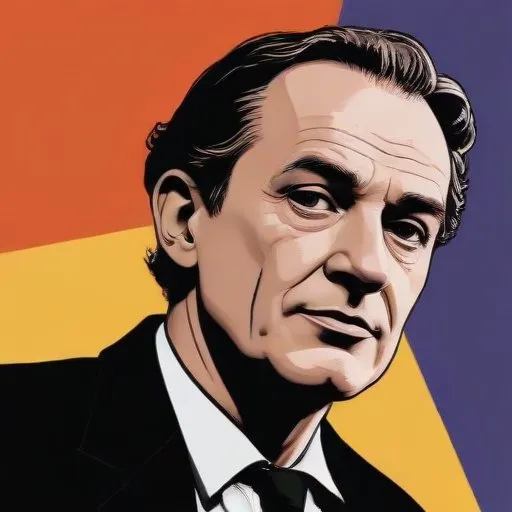
A French poet and critic, known for being the first Nobel Prize laureate in Literature in 1901, recognized for his contributions to the revival of French poetry.
Sully Prudhomme, a French poet and essayist, is best known for being the first winner of the Nobel Prize in Literature in 1901. His innovative approach to poetry, which he referred to as "scientific poetry for modern times," earned him widespread recognition and acclaim.
Born on March 16, 1839, in Paris, France, Prudhomme's early life was marked by tragedy. His father, a shopkeeper, passed away when Prudhomme was just two years old, leaving his mother to care for him alone. Despite the challenges, Prudhomme's mother encouraged his love for literature and mathematics, which would later shape his writing style.
Prudhomme's educational journey was not without its interruptions. Eye trouble forced him to leave school, and he went on to work in the Creusot region for the Schneider steel foundry. However, his passion for literature soon drew him back to his studies, and he began to focus on law in a notary's office. The Conférence La Bruyère, a student society, recognized his early poems, encouraging him to pursue a literary career.
Prudhomme's debut collection, Stances et Poèmes (Stanzas and Poems), published in 1865, was met with praise from the French literary critic, Sainte-Beuve. The collection included his famous poem, Le vase bris, which showcased his unique blend of sentimentality and philosophical depth. As his career progressed, Prudhomme's style evolved, merging the formality of the Parnassus school with his fascination for philosophical and scientific subjects.
Prudhomme's writing was not limited to poetry. He also wrote essays and articles, often addressing social and political issues. During the Franco-Prussian War, he published Impressions de la guerre (1872) and La France (1874), which reflected his patriotic sentiments and concern for the welfare of his country. His contributions to literature and society earned him numerous awards and honors, including the Nobel Prize in Literature in 1901.
Sully Prudhomme's pioneering spirit and innovative approach to poetry have left an indelible mark on modern literature. His belief in the power of poetry to convey complex ideas and emotions has inspired generations of writers and thinkers. As the first Nobel laureate in Literature, Prudhomme's legacy serves as a testament to the enduring power of poetry to shape our understanding of the world and ourselves.
Born in 1842
A French poet and critic who pioneered Symbolism, experimenting with language and form to evoke emotions and ideas, and is known for his enigmatic and influential poetry.
Born in 1844
A leading figure of the French Symbolist movement, known for his sensual and emotive poetry that explored themes of love, beauty, and the human condition.
Born in 1854
A rebellious and visionary poet who abandoned literature at 21 to become an African explorer and trader, known for his vivid and expressive poetry that influenced modern literature.
Born in 1821
A 19th-century literary mastermind who crafted exquisite poetry and art criticism, exploring the beauty and darkness of human experience.
Born in 1821
A pioneering realist novelist who crafted meticulous, psychologically nuanced portrayals of 19th-century French life, particularly in his iconic novel "Madame Bovary".
Born in 1840
A pioneering figure in naturalist literature, known for his influential novels that exposed social ills and championed reform, such as "Germinal" and "Nana".
Born in 1840
A 19th-century literary mastermind, celebrated for his vivid depictions of French life and poignant short stories, particularly "The Last Lesson" and "Tartarin of Tarascon".
