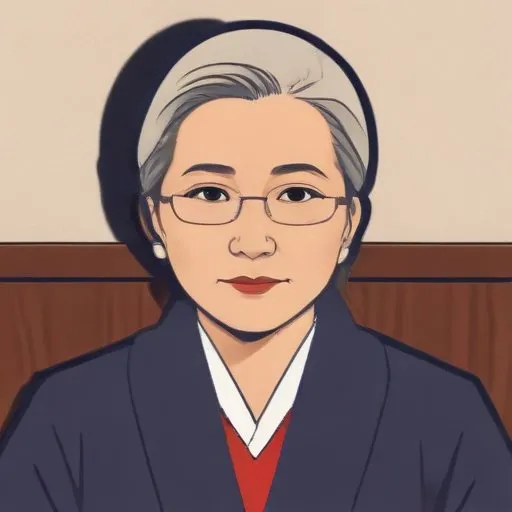
Takako Doi: The Trailblazing Politician Who Shattered Japan's Glass Ceiling
A Legacy of Firsts
Takako Doi is renowned for being the first female Lower House Speaker in Japan, a milestone that has yet to be surpassed in the country's modern history. This pioneering politician also held the distinction of being Japan's first female Opposition Leader, paving the way for future generations of women in politics.
Early Life and Education
Born on November 30, 1928, in Hyogo Prefecture, Doi graduated from Doshisha University with a degree in law. Her academic background would later serve as a solid foundation for her career in politics.
Rise to Prominence
Doi's political career began in 1969 when she was elected to the House of Representatives as a member of the Japan Socialist Party (JSP). Although she spent her initial years on the sidelines, she soon gained national attention in 1980 for her vocal criticism of Japan's discriminatory treatment of women. Specifically, she targeted the country's unequal education system and the patriarchal family registration law.
Advocate for Women's Rights
Doi's advocacy for women's rights led to significant legislative changes. In 1985, she pressured the Diet to sign the Convention on the Elimination of All Forms of Discrimination Against Women (CEDAW). This landmark achievement solidified her position as a champion of women's rights in Japan.
Leadership Roles
Doi's leadership skills were recognized when she became Vice Chair of the JSP in 1983 and later the first female leader of a political party division in Japanese history in 1986, serving as chair of the JSP Central Policy Division.
A Coalition Government and Party Renaming
In 1994, the JSP took the lead in forming a coalition government, with Doi playing a key role in its formation. However, the coalition collapsed in 1996, leading to her party's electoral defeat. In response, Doi returned to lead the party, renaming it the Social Democratic Party (SDP) in 1996.
Personal Milestones and Legacy
Throughout her career, Doi's trailblazing achievements have inspired countless women to pursue careers in politics. Her unwavering commitment to women's rights and social justice has left an indelible mark on Japan's political landscape. Although she retired from politics in 2005, her legacy continues to inspire future generations of politicians and social activists.
Key Achievements and Honors
- First female Lower House Speaker in Japan (1993)
- First female Opposition Leader in Japan (1993)
- Vice Chair of the Japan Socialist Party (1983)
- Chair of the JSP Central Policy Division (1986)
- Leader of the Social Democratic Party (1996)
A Lasting Impact
Takako Doi's remarkable journey serves as a testament to the power of perseverance and dedication. Her groundbreaking achievements have paved the way for women to take on leadership roles in Japanese politics, ensuring that her legacy will continue to inspire and empower future generations.
FAQ
What was Takako Dois early life and education?
Takako Doi was born on November 30, 1928, in Kobe, Japan, and earned her degree in literature from Doshisha University.
What were some of Takako Dois most notable political offices?
Takako Doi served as the 68th Speaker of the House of Representatives of Japan, the first woman to hold the position, and later as a member of the House of Councillors.
What was Takako Dois impact on womens rights in Japan?
Takako Doi was a champion of womens rights and social justice, working tirelessly to promote gender equality and social welfare in Japan.
What awards did Takako Doi receive for her work?
Takako Doi received several awards for her work, including the Ramon Magsaysay Award for her contributions to public service.
What was Takako Dois legacy in Japanese politics?
Takako Dois legacy in Japanese politics is one of dedication to public service and commitment to improving the lives of Japanese citizens, particularly women and children.