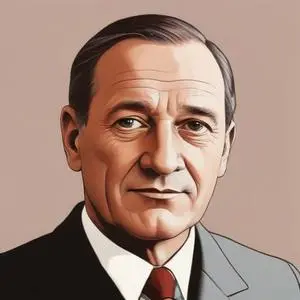
Theodor Schwann: The Pioneer of Cell Theory and Physiology
Extension of Cell Theory to Animals
Theodor Schwann, a renowned German physician and physiologist, is best known for his significant contribution to biology - the extension of cell theory to animals. This groundbreaking concept revolutionized the understanding of biological organisms, transforming the field of physiology and paving the way for future scientific discoveries.
Early Life and Education
Born on December 7, 1810, in Neuss, Germany, to Leonard Schwann, a goldsmith and later a printer, and Elisabeth Rottels, Theodor Schwann was raised in a devout Roman Catholic family. He received his early education at the Dreiknigsgymnasium, a Jesuit school in Cologne, where his religious instructor, Wilhelm Smets, emphasized the individuality of the human soul and the importance of free will.
Academic Pursuits and Mentors
Schwann's academic journey began at the University of Bonn, where he enrolled in the premedical curriculum in 1829. During his time at Bonn, he met and worked with physiologist
Johannes Peter Müller, who would later become a prominent influence in his life. Müller, considered the founder of scientific medicine in Germany, published his seminal work, "Handbuch der Physiologie des Menschen für Vorlesungen," in 1837-1840.
Graduation and Thesis Work
In 1831, Schwann moved to the University of Würzburg for clinical training in medicine. He later transferred to the University of Berlin, where Müller was Professor of Anatomy and Physiology. Schwann graduated with an M.D. degree in medicine from the University of Berlin in 1834, with Müller serving as his thesis advisor. His thesis, which involved a meticulous study of the necessity for oxygen during the embryonic development of the chicken, demonstrated his meticulous attention to detail and dedication to scientific inquiry.
Major Contributions and Discoveries
Schwann's contributions to physiology and biology are numerous and far-reaching. Some of his most notable achievements include:
- Discovery of Schwann cells in the peripheral nervous system
- Discovery and study of pepsin
- Discovery of the organic nature of yeast
- Invention of the term "metabolism"
Influence on Modern Society and Legacy
Theodor Schwann's work has had a profound impact on modern society, shaping our understanding of biological systems and informing medical practices. His extension of cell theory to animals laid the foundation for subsequent scientific breakthroughs, cementing his legacy as a pioneering figure in the history of physiology.
Personal Milestones and Key Life Events
Throughout his life, Schwann remained devoted to his faith and was a devout Roman Catholic. He maintained a strong bond with his mentor, Müller, and was deeply influenced by his teachings.
Historical Context and Comparative Analysis
Schwann's work must be understood within the context of 19th-century scientific inquiry, which was marked by significant advances in fields such as biology, chemistry, and physics. His contributions, while groundbreaking, built upon the discoveries of his contemporaries, including
Matthias Jakob Schleiden and Friedrich Wöhler.
Awards and Honors
Schwann's remarkable achievements were recognized during his lifetime, earning him numerous accolades and honors. His legacy continues to inspire future generations of scientists and scholars.
Impact on Pop Culture
Theodor Schwann's work may not have directly influenced popular culture, but his contributions to the field of physiology have had a lasting impact on our understanding of human biology, informing medical practices and shaping public health policies.
Trivia and Fun Facts
Schwann's love for nature and the outdoors was reflected in his hobby of collecting and studying freshwater algae. This lesser-known aspect of his personality highlights the multifaceted nature of this pioneering scientist.
Conclusion
Theodor Schwann's remarkable life and contributions to physiology and biology continue to inspire awe and admiration. His extension of cell theory to animals, discovery of Schwann cells, and invention of the term "metabolism" have left an indelible mark on the scientific community. As we reflect on his legacy, we are reminded of the power of human curiosity and the importance of dedication to scientific inquiry.