


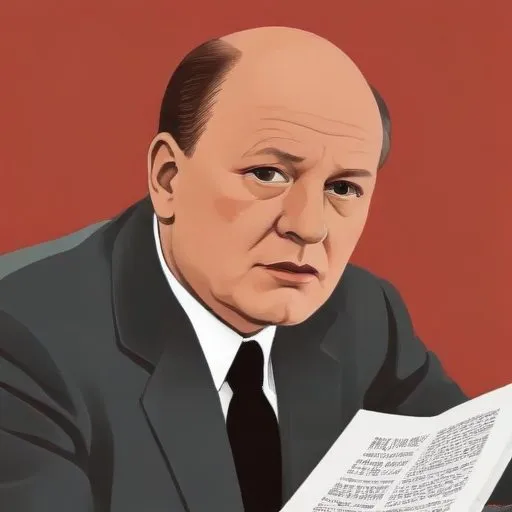
A Pulitzer Prize-winning poet, known for his introspective and emotionally charged works that explored the human condition, often using nature imagery to convey complex emotions.
Theodore Roethke was a critically acclaimed American poet, regarded as one of the most accomplished and influential poets of his generation. He is best known for winning the Pulitzer Prize for poetry in 1954 for his book The Waking, and the annual National Book Award for Poetry on two occasions.
Raised in Saginaw, Michigan, Roethke spent much of his childhood in his father's 25-acre greenhouse, an experience that would later influence his poetry. After losing his uncle to suicide and his father to cancer at the age of 14, Roethke went on to attend the University of Michigan, earning a B.A. magna cum laude and Phi Beta Kappa in 1929. He continued his studies at Michigan, receiving an M.A. in English in 1936, before briefly attending the University of Michigan School of Law and later studying under poet Robert Hillyer at Harvard University.
Roethke's poetry is characterized by its introspection, rhythm, and natural imagery. His work was praised by former U.S. Poet Laureate James Dickey, who regarded him as "in my opinion, the greatest poet this country has yet produced." Throughout his career, Roethke won numerous awards, including:
In addition to his accomplishments as a poet, Roethke was also a respected poetry teacher. He taught at the University of Washington for 15 years, where his students went on to achieve great success, including winning two Pulitzer Prizes for Poetry and earning two nominations.
Roethke's poetry has had a lasting impact on modern society, influencing generations of poets and writers. His work continues to be studied and admired in academic and literary circles, and his legacy as a poet and teacher remains unparalleled.
Roethke's life was marked by both triumph and tragedy. He struggled with depression and mental health issues throughout his life, and died on August 1, 1963, at the age of 55. Despite his personal struggles, Roethke remained committed to his craft, leaving behind a body of work that continues to inspire and influence poets to this day.
Roethke's poetry is filled with memorable and poignant lines, including:
"I take my stand on the uncertainty of the universe."
This quote, like much of his work, reflects Roethke's fascination with the natural world and his exploration of the human experience.
Theodore Roethke's legacy as a poet and teacher continues to be felt in the literary world. His work remains a testament to the power of poetry to explore the human condition, and his influence can be seen in generations of poets who have followed in his footsteps.
In conclusion, Theodore Roethke was a master poet and teacher who left an indelible mark on the literary world. His poetry, characterized by its introspection and natural imagery, continues to inspire and influence poets today, and his legacy as a teacher and mentor remains unparalleled.
93 Years Old
A confessional and emotionally intense writer who explored themes of mental illness, mortality, and femininity in her work, leaving a lasting impact on contemporary literature.
Born in 1917
A confessional poet who pioneered the personal, free-verse style, exploring themes of family, history, and mental illness in his work. He's known for his raw, introspective, and emotionally charged poetry.
97 Years Old
A confessional poet who explored themes of mental illness, family, and femininity through her raw and intimate writing style, earning a Pulitzer Prize in 1967.
Born in 1914
A Pulitzer Prize-winning poet and scholar, known for his confessional and autobiographical poetry, exploring themes of identity, mortality, and the human condition.
Born in 1913
A poet and short story writer who explored the American Jewish experience and the human condition through his lyrical and introspective works. He's known for his unique blend of modernist and traditional styles.
Born in 1926
A Pulitzer Prize-winning poet known for confessional and autobiographical poetry that explores themes of family, relationships, and the human condition.
Born in 1921
A celebrated poet, translator, and essayist, known for his mastery of traditional forms and witty, insightful explorations of everyday life. His work often blends humor and profundity, earning him numerous awards and accolades.
Born in 1905
A celebrated poet and translator, known for his lyrical and introspective works that explore themes of nature, identity, and the human condition.
