


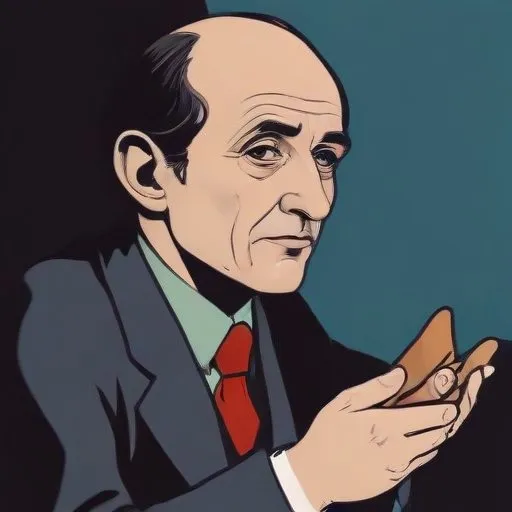
A 19th-century French poet and critic, known for his lyrical and expressive poetry, as well as his influential literary criticism that shaped the French Symbolist movement.
Theodore de Banville, a renowned French poet and writer, is credited with influencing the Symbolist movement in French literature in the late 19th century. His work, characterized by its lyricism and innovation, paved the way for future generations of poets and writers.
Born on March 14, 1823, in Moulins, Allier, Auvergne, Banville was the son of a French navy captain. He spent his boyhood in Paris, where he attended a lyce, but did not participate in the amusements of his companions, instead devoting himself to his studies. This dedication to education laid the foundation for his future literary pursuits.
Banville's literary career began in 1842 with the publication of his first volume of verse, Les Cariatides, followed by Les Stalactites in 1846. Although his early work received some criticism, it earned him the approval and friendship of prominent writers, including Alfred de Vigny and Jules Janin.
Throughout his career, Banville wrote extensively in various genres, including poetry, comedy, and prose. His work was marked by its lyricism, innovation, and critical acclaim. Odes funambulesques (1857), dedicated to Victor Hugo, received universal praise, solidifying Banville's reputation as a master of French poetry.
Banville's work was deeply rooted in his philosophical beliefs, which emphasized the importance of art and literature in shaping society. He believed that literature should be a reflection of the human experience, exploring themes such as love, nature, and the human condition.
In 1858, Banville was appointed a Chevalier de la Légion d'honneur, and later promoted to an Officier de la Légion d'honneur in 1886. He died on March 13, 1891, at the age of 68, and was buried in Montparnasse Cemetery.
Banville's influence on French literature is immeasurable. He played a pivotal role in shaping the Symbolist movement, paving the way for future generations of poets and writers. His work continues to be celebrated for its lyricism, innovation, and critical acclaim.
Banville's contributions to French literature were recognized with numerous awards and honors, including:
Banville's life was marked by his friendships with prominent writers and intellectuals of his time, including Victor Hugo, Alfred de Vigny, and Jules Janin. These relationships not only shaped his literary career but also influenced his personal life and philosophical beliefs.
In conclusion, Theodore de Banville's life and work were a testament to his dedication to literature and his role as a pioneer of French Symbolism. His innovative style, lyrical poetry, and critical acclaim have cemented his place in the annals of French literary history.
Born in 1821
A 19th-century literary mastermind who crafted exquisite poetry and art criticism, exploring the beauty and darkness of human experience.
Born in 1844
A leading figure of the French Symbolist movement, known for his sensual and emotive poetry that explored themes of love, beauty, and the human condition.
Born in 1854
A rebellious and visionary poet who abandoned literature at 21 to become an African explorer and trader, known for his vivid and expressive poetry that influenced modern literature.
Born in 1842
A French poet and critic who pioneered Symbolism, experimenting with language and form to evoke emotions and ideas, and is known for his enigmatic and influential poetry.
Born in 1821
A pioneering realist novelist who crafted meticulous, psychologically nuanced portrayals of 19th-century French life, particularly in his iconic novel "Madame Bovary".
Born in 1850
A 19th-century French literary mastermind who crafted hauntingly beautiful short stories and novels that probed the human psyche, often with a dark, ironic twist. His works remain widely read and adapted today.
Born in 1840
A 19th-century literary mastermind, celebrated for his vivid depictions of French life and poignant short stories, particularly "The Last Lesson" and "Tartarin of Tarascon".
Born in 1828
A visionary writer who pioneered the science fiction genre, crafting timeless tales of adventure and exploration that continue to inspire generations.
