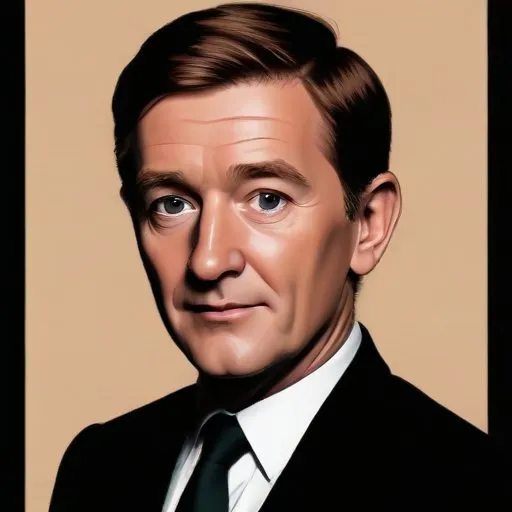
Thomas Bracken: The Poetic Voice of New Zealand
A National Anthem and a Lasting Legacy
Thomas Bracken, an Irish-born New Zealand poet, journalist, and politician, is forever etched in the country's history as the writer of "God Defend New Zealand," one of the two national anthems of New Zealand. His poetic masterpiece has been an integral part of New Zealand's cultural fabric, evoking patriotism and national pride for generations.
A Turbulent Early Life
Born in December 1843, Bracken's early life was marked by turmoil. His mother, Margaret, passed away in 1846, and his father, Thomas, followed in 1852. At the tender age of 12, Bracken was sent to Australia to live with his uncle, John Kiernan, in Geelong, Victoria. This marked the beginning of a nomadic lifestyle, with Bracken working as a pharmacist's apprentice in Bendigo, a farmhand, a shearer, and a gold fossicker.
A Literary Awakening
It was during his time in Australia that Bracken began to write tales about the diggers involved in the gold rush and the lives of stockmen and sheep men. This marked the beginning of his literary career, which would eventually take him to New Zealand.
A New Zealander in Spirit
In 1869, at the age of 25, Bracken moved to Dunedin, New Zealand, where he published a volume of poems he had written in Australia. This collection caught the attention of literary circles, earning him the Otago Caledonian Society's prize for poetry. Bracken's literary talent was finally recognized, and he was determined to make a name for himself in the world of journalism.
A Career in Journalism
Bracken took a staff position on the Otago Guardian, where he met John Bathgate, who later founded the Saturday Advertiser in 1875. Bracken wrote for the Morning Herald and the Catholic newspaper, The New Zealand Tablet. He became the editor of the Saturday Advertiser, using his platform to encourage local writers and promote a national spirit in New Zealand.
Major Works and Contributions
- God Defend New Zealand (national anthem)
- Flights among the Flax (collection of poems)
- Saturday Advertiser (editor and promoter of local writers)
- Morning Herald and The New Zealand Tablet (contributing writer)
Personal Life and Philosophy
Born into a Catholic family, Bracken later lapsed and identified as a freethinker and a freemason. His personal philosophy reflected his commitment to promoting a national identity in New Zealand, encouraging local writers, and fostering a sense of community.
Legacy and Impact
Thomas Bracken's contributions to New Zealand's literary and cultural heritage are immeasurable. His national anthem continues to evoke national pride, and his poetry and journalism have left an indelible mark on the country's cultural landscape. As a trailblazer in promoting local writers and fostering a sense of national identity, Bracken's legacy ensures that his work will continue to inspire generations to come.
Farewell to a Literary Giant
Thomas Bracken passed away on February 16, 1898, leaving behind a legacy that continues to inspire and captivate the people of New Zealand. His poetry, journalism, and contributions to the country's cultural heritage ensure that his memory will endure, a testament to the power of his words and the impact of his life's work.
FAQ
What was Thomas Brackens role in New Zealand politics?
Thomas Bracken was an Irish-New Zealander journalist, poet, and politician who served as a member of the New Zealand Parliament.
What were Thomas Brackens literary achievements?
Bracken was a prolific writer and poet, and his works, such as Not Understood, are considered some of the most important in New Zealand literature.
What was Thomas Brackens involvement in the New Zealand Republican Movement?
Bracken was a strong advocate for New Zealand republicanism and believed that New Zealand should become an independent republic.
What was Thomas Brackens role in the New Zealand Labour Movement?
Bracken was involved in the New Zealand Labour Movement and advocated for workers rights and social reform.
What legacy did Thomas Bracken leave behind?
Brackens legacy is that of a dedicated public servant and writer who contributed significantly to New Zealand literature and politics.