


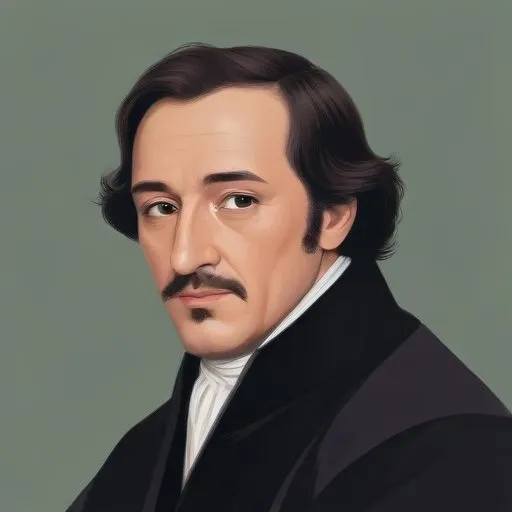
A Renaissance man who excelled in music, literature, and medicine, creating innovative compositions and poetry that showcased his mastery of multiple artistic forms.
Thomas Campion was a 16th-century English composer, poet, and physician, known for his remarkable contributions to the realms of music, literature, and medicine. With over 100 lute songs, masques for dancing, and a technical treatise on music to his name, Campion's creative genius continues to inspire and influence artists to this day.
Born on February 12, 1567, in London, Campion was the son of John Campion, a clerk of the Court of Chancery, and Lucy née Searle, daughter of Laurence Searle, one of the Queen's serjeants-at-arms. After his father's death in 1576, his mother married Augustine Steward, but unfortunately, she passed away soon after. Campion's stepfather took charge of his education, sending him to study at Peterhouse, Cambridge in 1581, where he remained for four years without taking a degree.
In 1586, Campion entered Grays Inn to study law, but he left in 1595 without being called to the bar. He later received his medical degree from the University of Caen on February 10, 1605, and went on to practice medicine in London until his death.
Campion's literary and musical talents were evident from an early age. His earliest known works include a group of five anonymous poems published in 1591, followed by Poemata, a collection of Latin panegyrics, elegies, and epigrams in 1595, which earned him a considerable reputation.
In 1601, Campion published A Booke of Ayres, a songbook featuring his own words and music, as well as compositions by Philip Rosseter. This collection showcased his mastery of the lute song, a genre that would become synonymous with his name.
In 1615, Campion was implicated in the murder of Sir Thomas Overbury, but he was eventually exonerated, having unwittingly delivered the bribe that procured Overbury's death. Despite this controversy, Campion's legacy as a poet, composer, and physician endured, with his works continuing to inspire generations of artists and scholars.
Today, Campion's music and poetry are recognized for their beauty, elegance, and technical skill, offering a unique window into the cultural and artistic landscape of 16th-century England.
Campion's contributions to music, poetry, and medicine have had a lasting impact on Western cultural heritage. His innovative approaches to composition and poetry continue to inspire artists, while his medical writings remain an important part of the historical record.
Through his diverse talents and achievements, Thomas Campion remains a shining example of the Renaissance ideal, epitomizing the spirit of intellectual curiosity and creative experimentation that defined this pivotal era in human history.
Born in 1554
A Renaissance man who excelled in literature, politics, and warfare, leaving a lasting legacy in the world of poetry and chivalry.
Born in 1564
A Renaissance master of words, crafting plays and poems that explored the human condition, and translating ancient texts into English, leaving a lasting impact on literature.
Born in 1572
A prominent figure in the English Renaissance, known for his witty plays and poems that explored themes of love, power, and morality. His works continue to influence literature and theater to this day.
Born in 1564
Renowned playwright and poet behind iconic works like Romeo and Juliet, Hamlet, and Macbeth, whose writings continue to influence literature and theater to this day.
Born in 1583
A renowned English organist and composer of the late Renaissance and early Baroque periods, known for his sacred choral music and madrigals. His works are still widely performed today.
Born in 1911
Legendary blues musician and songwriter who sold his soul to the devil at a crossroads in exchange for mastery of the guitar, creating iconic delta blues classics.
