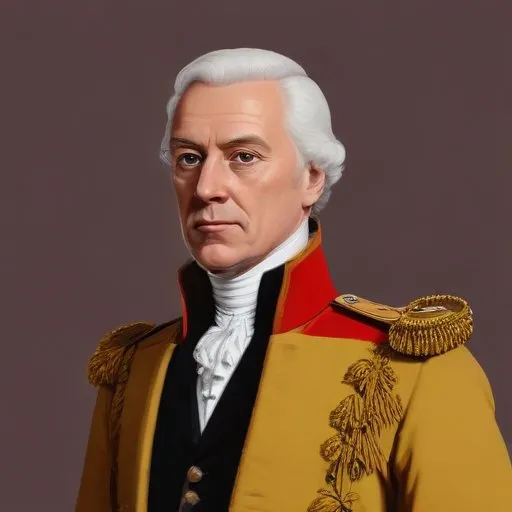
Thomas Clifford, 8th Baron de Clifford: The Rebellious Nobleman of the Lancastrian Cause
A Champion of the Red Rose
Thomas Clifford, 8th Baron de Clifford, is renowned for his unwavering dedication to the Lancastrian cause during the Wars of the Roses, a tumultuous period in English history that spanned from 1455 to 1485. As a staunch supporter of the House of Lancaster, Clifford's military prowess and unrelenting passion earned him the respect and admiration of his peers, cementing his place as one of the most notable figures of the era.
Early Life and Upbringing
Born in 1414, Thomas Clifford was the son of John Clifford, 7th Baron de Clifford, and Elizabeth Percy. His aristocratic heritage and familial ties to the powerful Percy family ensured that Clifford was well-versed in the art of war and politics from a young age. Growing up amidst the intrigue and machinations of the medieval court, Clifford developed a strong sense of loyalty and duty, traits that would define his future endeavors.
Military Campaigns and the Wars of the Roses
Clifford's military career began in the 1430s, fighting alongside King Henry VI's forces in France. However, following the king's mental health decline and the rise of the powerful Duke of York, Clifford's allegiance shifted to the Lancastrian cause. He played a pivotal role in the First Battle of St Albans (1455) and the Battle of Towton (1461), where he fought valiantly despite being vastly outnumbered.
The Murder of Rutland and the Curse of the Cliffords
One of the most infamous episodes of Clifford's life is the alleged murder of
Edmund, Earl of Rutland, at the age of 17. According to legend, Clifford personally slew Rutland, sparking a bitter feud between the two families and earning him the moniker "The Butcher." This event has been immortalized in
William Shakespeare's play,
3 Henry VI, and has contributed to the enduring fascination with Clifford's life and legacy.
Personal Life and Tragedy
Thomas Clifford's personal life was marked by tragedy, including the death of his wife, Joan Dacre, and his son,
John Clifford, 9th Baron de Clifford, who died at the tender age of 20. These losses undoubtedly took a toll on Clifford, yet he remained resolute in his pursuit of the Lancastrian cause.
Legacy and Historical Significance
Thomas Clifford's unwavering dedication to the Lancastrian cause has ensured his place in the annals of English history. Despite his controversial actions, Clifford's bravery and unrelenting passion have earned him a degree of admiration from historians and scholars. His story serves as a testament to the tumultuous nature of the Wars of the Roses and the unfaltering loyalty of those who fought for their chosen cause.
Trivia and Fun Facts
- Thomas Clifford was known for his imposing physique, earning him the nickname "The Blackdog of the North."
- He was a skilled jouster and participated in several tournaments throughout his life.
- Clifford's coat of arms featured a chevron and three crescents, symbolizing his family's noble heritage.
By delving into the life and exploits of Thomas Clifford, 8th Baron de Clifford, we gain a deeper understanding of the complex and tumultuous world of 15th-century England. His story serves as a poignant reminder of the enduring power of loyalty, duty, and conviction, making him an eternal figure of fascination in the realm of history.
FAQ
Who was Thomas Clifford, 8th Baron de Clifford?
Thomas Clifford, 8th Baron de Clifford, was an English noble and military leader who lived in the 14th century.
What were Thomas Cliffords military campaigns?
Thomas Clifford fought in several military campaigns, including the Hundred Years War, and was present at the Siege of Calais in 1346.
What was Thomas Cliffords role in the English nobility?
Thomas Clifford was a member of the English nobility and held significant power and influence, serving as Warden of the Marches and Governor of Carlisle.
What is Thomas Cliffords legacy?
Thomas Cliffords legacy is that of a brave and skilled military leader who played a key role in defending the English border against Scottish raids.
How did Thomas Cliffords family influence his career?
Thomas Cliffords family, the Cliffords, were a powerful and influential family in northern England, and his family connections likely played a significant role in his career and advancement.