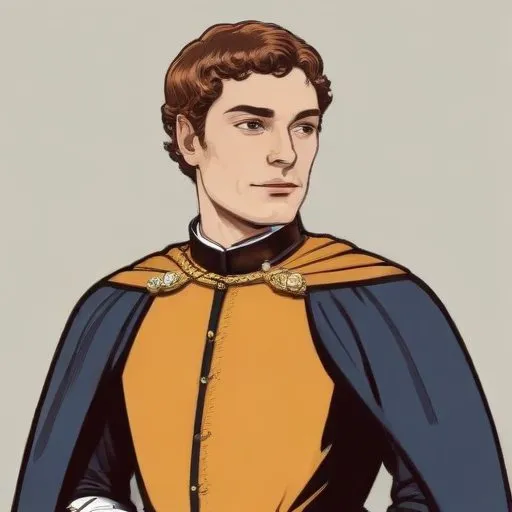
Edmund, Earl of Rutland: A Life of Power and Tragedy
A Promising Career Cut Short
Edmund, Earl of Rutland, was a member of the House of York and a key figure in the Wars of the Roses. He is known for his brief but influential career, which saw him hold the office of Lord Chancellor of Ireland at just 11 years old, making him one of the youngest to hold the position.
Early Life and Family
Born on May 17, 1443, in Rouen, France, Edmund was the fourth child and second surviving son of Richard Plantagenet, 3rd Duke of York, and Cecily Neville. His older brother, Edward, would later become King
Edward IV of England. Edmund's family held significant power and influence, with his father serving as Lieutenant of France and later vying for the English throne.
Rise to Power and Influence
In 1451, at just eight years old, Edmund was appointed Lord Chancellor of Ireland by his father, who held the title of Lord Lieutenant of Ireland. Although underage, Edmund's appointment was significant, and he was supported by Deputy Chancellors, including Edmund Oldhall, Bishop of Meath, and later John Talbot, 2nd Earl of Shrewsbury. During his term, the Parliament of Ireland asserted its independence, declaring that Ireland held separate legislature from England and its subjects were only subject to Irish laws and statutes.
Tragic Demise
Edmund's life was cut short when he was killed at the age of 17, either during or shortly after the Battle of Wakefield on December 30, 1460. This tragic event occurred just a year before his brother Edward would ascend to the English throne.
Legacy and Impact
Despite his short life, Edmund's influence on Irish politics and his family's rise to power are still remembered today. His appointment as Lord Chancellor of Ireland marked a significant shift in the country's relationship with England, and his legacy continues to be felt in the centuries that followed.
- Notable Titles: Earl of Rutland, Lord Chancellor of Ireland
- Birth and Death: May 17, 1443 – December 30, 1460
- Family: Son of Richard Plantagenet, 3rd Duke of York, and Cecily Neville; brother of King Edward IV
In Conclusion
Edmund, Earl of Rutland, was a young man of great promise and influence, whose life was tragically cut short in the midst of the Wars of the Roses. Despite his brief career, his impact on Irish politics and his family's rise to power continue to shape our understanding of this pivotal period in English history.
FAQ
Who was Edmund, Earl of Rutland?
Edmund, Earl of Rutland was a member of the House of York and the third son of Richard Plantagenet, 3rd Duke of York, and Cecily Neville. He played a significant role in the Wars of the Roses.
What is the significance of Edmunds death in the Wars of the Roses?
Edmunds death at the age of 17 during the Battle of Wakefield in 1460 was a significant blow to the Yorkist cause, leading to a period of instability and power struggle.
What was Edmunds relationship with Edward IV?
Edmund was the younger brother of Edward IV, who would later become King of England, and was closely tied to his brothers ambitions and struggles for power.
How did Edmunds upbringing influence his later life?
Edmunds upbringing at the court of Burgundy exposed him to the luxuries and politics of European royal courts, shaping his worldview and ambitions.
What is Edmunds legacy in English history?
Edmunds brief but significant life played a part in shaping the course of the Wars of the Roses and the eventual rise of the Tudor dynasty.