


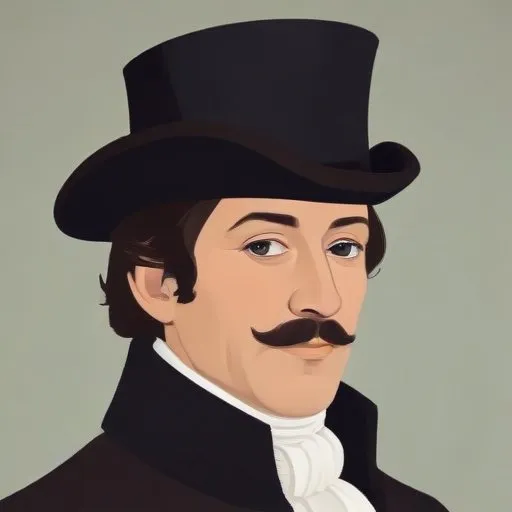
A prominent nobleman and courtier during the reign of King Henry VIII, known for his lavish lifestyle and literary patronage. He was a key figure in the English Renaissance, supporting notable writers and artists.
Thomas Grey, 2nd Marquess of Dorset, was a prominent English peer, courtier, soldier, and landowner of the House of Grey, known for his influential role in the Tudor court and his significant contributions to the English monarchy.
Born on June 22, 1477, Thomas Grey was the third son and heir of Thomas Grey, 1st Marquess of Dorset, and his wife, Cecily Bonville, the richest heiress in England. His mother, suo jure 7th Baroness Harington of Aldingham and 2nd Baroness Bonville, held significant titles and lands in her own right.
According to some reports, Grey attended Magdalen College School, Oxford, where he received an education befitting his noble status. Additionally, he was tutored or chaperoned by the esteemed Erasmus during a French tour, providing him with a sophisticated understanding of the world beyond England.
In 1483, Grey's father, Thomas, joined Buckingham's failed rebellion against King Richard III, forcing the family to flee to Brittany, where they joined Henry Tudor. Following Richard's defeat at the Battle of Bosworth Field in 1485, Henry VII married Elizabeth of York, Grey's half-sister, cementing the Tudor dynasty.
Grey's father was imprisoned during Lambert Simnel's rebellion of 1487, but the young Thomas Grey eventually became a ward of the king, ensuring his loyalty to the crown. In 1492, he was required to provide guarantees of loyalty to the king, solidifying his position in the Tudor court.
Amongst the Queen of England's closest relations, Grey and his younger brothers, Leonard and Edward, were welcome at court, becoming courtiers and later soldiers. In 1494, Grey was made a knight of the Bath, and in 1501, he was appointed a knight of the Garter, solidifying his reputation as a respected member of the Tudor court.
Following his father's death in 1501, Grey inherited his titles and some of his estates, although much of the land went to his stepmother. He eventually came into his full inheritance, becoming one of the wealthiest and most influential members of the Tudor court.
Thomas Grey, 2nd Marquess of Dorset, played a significant role in shaping the Tudor era, serving as a trusted advisor and loyal subject to the monarch. His influence extended beyond the court, as he contributed to the development of the English monarchy, solidifying the Tudor dynasty's grip on power.
Thomas Grey, 2nd Marquess of Dorset, lived during a tumultuous period in English history, marked by the Wars of the Roses and the rise of the Tudor dynasty. His life and legacy are a testament to the complexities of the Tudor court, where loyalty, power, and influence were constantly being negotiated.
Today, Grey's legacy serves as a reminder of the intricate web of relationships and alliances that shaped the English monarchy, demonstrating the significant impact of individual lives on the course of history.
Thomas Grey, 2nd Marquess of Dorset, remains an important figure in the history of the Tudor era, a testament to the enduring power of loyalty, family, and ambition.
Born in 1457
First Tudor king of England, who ended the Wars of the Roses and established a strong, centralized government, bringing stability and prosperity to the country.
Born in 1239
Conqueror of Wales and hammer of the Scots, he strengthened the English monarchy and established parliamentary representation.
Born in 1926
The monarch of the United Kingdom and its Commonwealth realms, serving as a unifying figurehead and symbol of national identity, while also carrying out various ceremonial and charitable duties.
Born in 1489
Leader of the English Reformation, instrumental in creating the Church of England and authoring the Book of Common Prayer.
Born in 1574
An English explorer and cartographer who mapped the New World and created innovative navigational tools, contributing significantly to the development of modern cartography.
