


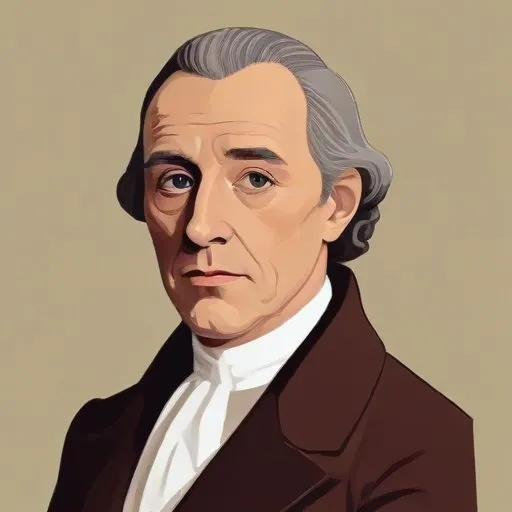
A Restoration-era playwright and poet, known for his tragic love stories and influential works that shaped the development of English drama.
Thomas Otway, the renowned English dramatist of the Restoration period, left an indelible mark on the literary world with his masterful play, Venice Preserv'd, or A Plot Discover'd (1682). This work not only cemented his reputation as a skilled playwright but also earned him a place among the greatest dramatists of his time.
Born on March 3, 1652, at Trotton near Midhurst, Otway was the son of Humphrey Otway, a curate who later became the rector of Woolbeding. Thomas was educated at Winchester College and later attended Christ Church, Oxford, as a commoner. However, he left the university in 1672 without a degree, opting for a path that would lead him to the world of theatre and literature.
Otway's early foray into theatre was as an actor, but a severe case of stage fright led him to abandon his acting ambitions. Instead, he turned to writing, and his acquaintance with Aphra Behn, a prominent playwright and novelist, played a significant role in shaping his career. Behn cast him in her play Forcd Marriage, or The Jealous Bridegroom (1672), which inadvertently pushed him towards becoming a playwright.
Otway's writing career took off in the late 1670s, with his play Venice Preserv'd earning him widespread recognition. During this period, he also fell deeply in love with Elizabeth Barry, a talented actress who played leading roles in many of his plays. Their romantic relationship, although tumultuous, inspired some of Otway's most remarkable works.
In 1678, Otway's financial struggles led him to join the army, obtaining a commission through Charles, Earl of Plymouth. He served in the Netherlands for a brief period, but upon his return to London, he found himself destitute and struggling to make ends meet. This experience, however, influenced his writing, as seen in his depiction of the struggles of the common man in his plays.
Thomas Otway's contributions to Restoration theatre were immense, and his plays continue to be celebrated for their nuanced exploration of human nature, politics, and social commentary. His legacy has inspired generations of playwrights, including Alexander Pope, who admired Otway's works and wrote about his influence.
Otway's life was marked by periods of triumph and turmoil, yet his passion for writing remained unwavering. In a letter to Elizabeth Barry, he penned these poignant words: "I am resolved to get my bread by my pen, or starve."
Thomas Otway's remarkable life, marked by both creative triumphs and personal struggles, continues to captivate readers and scholars alike. His works remain an essential part of the Restoration literary canon, a testament to his enduring legacy as a master playwright.
Born in 1631
A dominant literary figure of the Restoration era, known for his influential poetry, plays, and critical essays that shaped the English literary landscape. He's often credited with creating a new style of heroic drama and satire.
Born in 1670
Restoration-era playwright and poet renowned for witty, satirical comedies of manners that continue to influence English literature and theatre. His works remain popular for their clever dialogue and insight into human nature.
Born in 1664
Designed grand English country houses, like Blenheim Palace, and wrote witty Restoration comedies, blending architecture and drama.
