


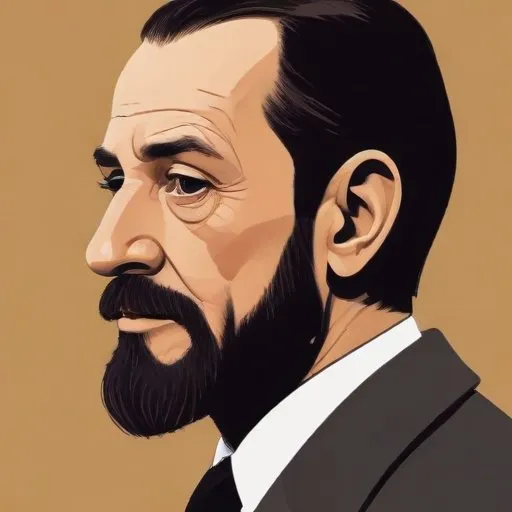
A prominent figure in 19th-century London theatre, known for his witty, satirical plays that critiqued social norms and morality, influencing the development of English comedy.
Thomas William Robertson, a trailblazing playwright of the late 19th century, is revered for his groundbreaking works that challenged the social norms and theatrical conventions of his time. His plays, often described as "problem plays," tackled complex issues like marital infidelity, women's rights, and social inequality, earning him a reputation as a bold and daring writer.
Born on January 9, 1829, in Newark-on-Trent, Nottinghamshire, Robertson grew up in a family of modest means. Despite the financial struggles, his parents instilled in him a passion for literature and the performing arts. He began his career as an actor and playwright in the 1850s, writing for various theaters in London and provinces.
Robertson's plays reflected his strong convictions about social justice and equality. He believed that theater should be a platform for exploring complex social issues, rather than simply providing entertainment. His works often featured strong female characters and critiqued the patriarchal society of the Victorian era.
Robertson's breakthrough play, Society, premiered in 1865 and was hailed as a masterpiece of modern drama. Other notable works include Progress (1866), Caste (1867), and Play (1868). His plays were known for their realistic dialogue, complex characters, and biting social commentary.
Robertson's innovative approach to playwriting paved the way for future generations of playwrights, including George Bernard Shaw and Henrik Ibsen. His plays' focus on social issues and realistic portrayal of life helped shape the course of modern drama.
Robertson's plays were performed during a time of great social change in Britain. The Industrial Revolution had created new social classes, and the women's suffrage movement was gaining momentum. Robertson's works tapped into these cultural currents, providing a voice for the marginalized and oppressed.
Today, Robertson is recognized as a pioneering figure in British theater, celebrated for his groundbreaking plays and unwavering commitment to social justice. His legacy continues to inspire playwrights, actors, and social activists around the world.
Born in 1836
A renowned creator of comedic operas, known for witty lyrics and absurd storylines that continue to delight audiences today.
Born in 1842
Wrote iconic operettas, such as "H.M.S. Pinafore" and "The Pirates of Penzance", that blended humor, satire, and memorable melodies, still widely performed and enjoyed today.
Born in 1854
A witty and flamboyant literary mastermind, renowned for crafting clever, humorous, and poignant works that continue to delight audiences with their clever wordplay and societal commentary.
Born in 1856
A renowned Irish playwright and critic, known for his witty, thought-provoking plays that often challenged social norms and conventions. His works include Pygmalion and My Fair Lady.
Born in 1838
A renowned Victorian-era actor and theatre manager, known for his powerful stage presence and innovative productions that raised the standards of English theatre.
Born in 1847
A renowned stage actress of the late 19th and early 20th centuries, celebrated for her powerful performances in Shakespearean plays and her iconic beauty.
Born in 1855
A renowned figure in London's West End, he wrote and directed numerous plays, often blending comedy and drama, and was a pioneer of the "problem play" genre. His works tackled social issues, sparking controversy and conversation.
