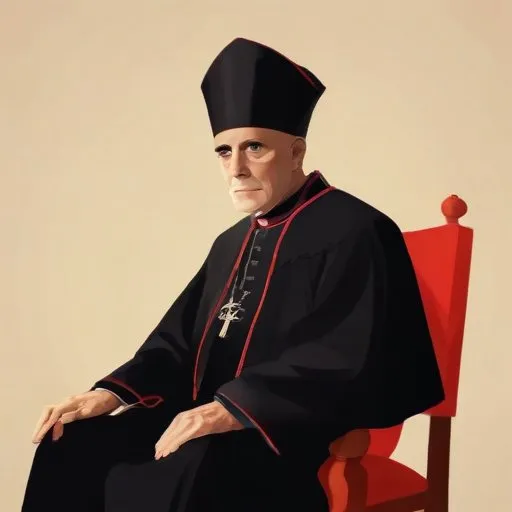
Turibius of Mongrovejo: The Archbishop of Lima and Champion of the Indigenous
A Tireless Advocate for Justice and Human Rights
Turibius of Mongrovejo is revered as a champion of the indigenous people of Peru and a pioneer in the fight against slavery and oppression. As the second Archbishop of Lima, he dedicated his life to protecting the rights and dignity of the native population, earning him the esteemed title of "Defender of the Indians."
Early Life and Education
Born on November 16, 1538, in Mogrovejo, Spain, Turibius of Mongrovejo was christened as Toribio Alfonso de Mogrovejo. He pursued higher education at the University of Salamanca, where he earned a doctorate in law and later became a professor. His academic excellence and strong moral compass led him to be appointed as the Archbishop of Lima in 1580.
Career Highlights and Major Works
Upon arriving in Peru, Turibius of Mongrovejo was appalled by the mistreatment of the indigenous people and the widespread slavery. He embarked on a mission to rectify the situation, using his position to:
- Establish schools and hospitals for the native population
- Translate the Bible into the Quechua language, making it accessible to the indigenous people
- Conduct regular visits to remote areas, spreading the message of love, compassion, and justice
- Advocate for the eradication of slavery and the fair treatment of native workers
Philosophical Contributions and Beliefs
Turibius of Mongrovejo's unwavering commitment to social justice was rooted in his profound faith and understanding of Christianity. He believed that every human being, regardless of race or social status, was created in the image of God and deserved to be treated with dignity and respect.
Personal Milestones and Key Life Events
Turibius of Mongrovejo's remarkable life was marked by several significant events, including:
- His consecration as Archbishop of Lima in 1581, where he pledged to defend the rights of the indigenous people
- His participation in the Third Council of Lima (1582-1583), which aimed to reform the clergy and promote missionary work among the native population
- His canonization as a saint in 1726, in recognition of his extraordinary life and works
Influence on Modern Society
Turibius of Mongrovejo's legacy extends far beyond his lifetime. His tireless efforts to protect the rights of the indigenous people and combat slavery have inspired generations of social activists, human rights advocates, and champions of justice.
Quotes and Memorable Sayings
One of Turibius of Mongrovejo's most famous quotes is: "The Indians are not beasts, but men and women, capable of understanding and embracing the Gospel." This statement embodies his unwavering commitment to the dignity and equality of all human beings.
Historical Context and Legacy
Turibius of Mongrovejo's remarkable life and works are a testament to the power of faith, compassion, and determination. His legacy continues to inspire people around the world, serving as a beacon of hope for those fighting against social injustice and oppression.
Charitable Work and Social Contributions
Throughout his life, Turibius of Mongrovejo engaged in various charitable works, including:
- Establishing orphanages and hospitals for the indigenous population
- Providing education and training to native people, empowering them to take control of their lives
- Advocating for economic and social development in marginalized communities
Inspirational Stories and Motivations
Turibius of Mongrovejo's remarkable life serves as a powerful reminder that one person can make a difference. His unwavering commitment to justice, compassion, and human dignity continues to inspire people to stand up against social injustice and fight for the rights of the marginalized.
FAQ
What were Turibius of Mongrovejos contributions to the Catholic Church?
Turibius of Mongrovejo made significant contributions to the Catholic Church, serving as a dedicated Archbiship of Lima and Grand Inquisitor. He played a crucial role in the evangelization of Peru, promoting the Christian faith among the indigenous population.
How did Turibius of Mongrovejos work shape the Catholic Church in Peru?
Turibius of Mongrovejos work in Peru had a profound impact on the Catholic Church in the region. He established new dioceses, promoted the training of clergy, and worked to eradicate idolatry and paganism among the indigenous population.
What were Turibius of Mongrovejos notable achievements?
Turibius of Mongrovejo achieved many notable accomplishments during his lifetime, including the establishment of the University of Saint Mark in Lima and the promotion of education and literacy among the indigenous population.
How did Turibius of Mongrovejos faith shape his life?
Turibius of Mongrovejos faith played a central role in his life, guiding his actions and decisions as a priest and bishop. He was known for his piety, humility, and compassion, earning him the respect and admiration of his contemporaries.
What is Turibius of Mongrovejos legacy in modern times?
Turibius of Mongrovejos legacy is one of dedication and service, as he worked tirelessly to promote the Catholic faith and improve the lives of those around him. His story has inspired generations, offering a powerful example of Christian leadership and commitment.