


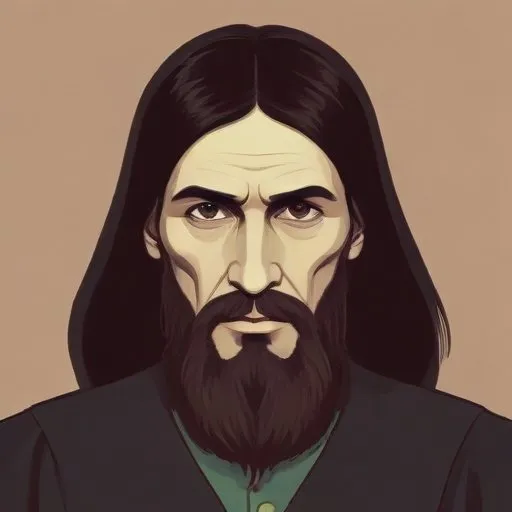
A prominent Russian environmentalist and author, known for his literary works that highlight the importance of preserving Siberia's natural beauty and cultural heritage, and for his activism against the destruction of Lake Baikal.
Valentin Rasputin, a renowned Soviet and Russian writer, is celebrated for his poignant portrayals of rural Siberian life, delving into the complexities of ethics, spirituality, and the struggle for survival of traditional ways of life. Through his works, Rasputin has become a beacon for the preservation of Siberia's cultural heritage, earning him a revered place in Russian literary history.
Born on March 15, 1937, in the village of Ust-Uda, East Siberian Oblast, Rasputin grew up in a family deeply connected to the land. His father, Grigory Rasputin, worked for a village cooperative store, while his mother was a nurse. The family's relocation to Atalanka, another village in the same Ust-Udinsky District, exposed Rasputin to the harsh yet beautiful Siberian environment, which would later become a central theme in his writing.
Rasputin's scholastic achievements earned him a spot in the district center's middle school and high school, making him the first child from his village to pursue higher education. He graduated from Irkutsk University in 1959 and began working for local Komsomol newspapers in Irkutsk and Krasnoyarsk. His first short story was published in 1961, marking the beginning of a remarkable literary career.
Rasputin's literary corpus is characterized by its sensitive exploration of rural Siberian life, often pitting the allure of urban modernity against the timelessness of traditional ways. His notable works include:
Rasputin's writing is infused with a deep respect for the natural world and a commitment to preserving Russia's cultural heritage. His works reflect a profound introspection on the human condition, often grappling with the tension between tradition and modernity, morality and spirituality.
Rasputin's literary voice has had a profound impact on Russian society, inspiring a renewed appreciation for the country's rural heritage and the importance of preserving traditional ways of life. His works have been translated into numerous languages, making him an internationally recognized figure in Russian literature.
Valentin Rasputin's literary legacy is deeply rooted in the historical context of Soviet and post-Soviet Russia. His works serve as a testament to the power of literature to capture the complexities of human experience, while also preserving the cultural heritage of a nation. As a prominent figure in Russian literature, Rasputin's contributions continue to inspire and educate readers around the world.
Valentin Rasputin passed away on March 14, 2015, leaving behind a remarkable body of work that continues to resonate with readers worldwide.
Born in 1921
A Soviet physicist and dissident who advocated for human rights and nuclear disarmament, earning a Nobel Peace Prize in 1975. He's known for his courageous stance against the Soviet regime, promoting peace and democracy.
95 Years Old
The last leader of the Soviet Union, who introduced reforms that led to the end of the Cold War and the collapse of communism, earning a Nobel Peace Prize. He's known for his policies of glasnost and perestroika, which transformed the Soviet Union and the world.
Born in 1918
A Russian literary giant who exposed the harsh realities of Soviet forced labor camps through his writings, earning him a Nobel Prize in Literature.
Born in 1914
Leader of the Soviet Union from 1982 to 1984, known for attempting to reform the stagnant Soviet economy and crack down on corruption. Implemented policies to increase discipline and productivity.
Born in 1911
The last Soviet leader before Mikhail Gorbachev, he briefly ruled the USSR from 1984 to 1985, maintaining a hardline communist stance and resisting reform.
Born in 1906
A Soviet leader who ruled with an iron fist, implementing policies that stagnated the economy and suppressed dissent, while also being a key figure in the Cold War. He's infamous for his authoritarian regime and bureaucratic inefficiency.
Born in 1894
The Soviet leader who initiated reforms and denounced Stalin's regime, known for his bold policies and iconic shoe-banging incident at the UN.
Born in 1878
The Soviet Union's ruthless leader who ruled with an iron fist, implementing policies that led to widespread famine and purges, while also playing a crucial role in defeating Nazi Germany in World War II.
