


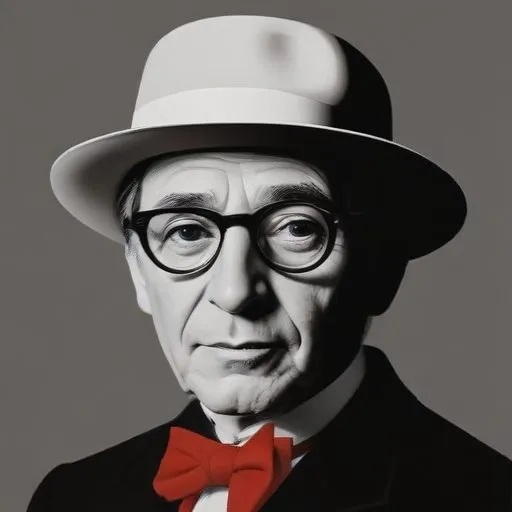
A renowned composer and conductor, he adapted classical music to modern styles, creating iconic film scores and symphonic arrangements that blended tradition with innovation.
Waldo de los Ros, the Argentine composer, conductor, and arranger, is renowned for his unique ability to transform European classical music into pop music, captivating audiences worldwide with his innovative and eclectic style. His 1971 arrangement of Mozart's Symphony No. 40, recorded with the Manuel de Falla orchestra, topped the Dutch charts and scored a top 10 hit in several other European countries, cementing his status as a master of musical fusion.
Born Osvaldo Nicols Ferraro Gutiérrez on September 7, 1934, in Buenos Aires, Argentina, Waldo de los Ros was surrounded by music from a young age. His father was a musician, and his mother, a well-known folk singer, instilled in him a deep appreciation for the rich cultural heritage of Argentine music. He studied composition and arranging at the National Conservatory of Music, where he was mentored by esteemed composers Alberto Ginastera, Teodoro Fuchs, and Lita Spena.
De los Ros's eclectic range of influences, from folk to electronic music, led him to form The Waldos, a musical group that blended traditional folk music with modern electronic sounds. This unique blend of styles garnered attention in the Argentine music scene, and soon, he was in demand as a composer and arranger for film soundtracks. His work on the 1967 film Savage Pampas earned him a prestigious award from the Argentine Academy of Cinematography Arts and Sciences.
In 1958, de los Ros relocated to the United States, where he continued to hone his craft, and later, in 1962, he moved to Spain, further expanding his musical horizons. His arranging skills caught the attention of international audiences, and his 1970 arrangement of Beethoven's "Ode to Joy," recorded with Miguel Ríos, became a chart-topping hit in Europe and America.
Waldo de los Ros's innovative arrangements and reworkings of classical masterpieces have had a lasting impact on the music world. His 1971 album Mozart in the Seventies, featuring a large percussion section and contemporary style, redefined the boundaries of classical music. Several tracks from the album were used as theme tunes for BBC programs, including the iconic theme to the Horse of the Year Show, a reworking of Mozart's "A Musical Joke."
De los Ros's musical legacy extends beyond his own compositions and arrangements. He inspired a new generation of musicians to experiment with classical music, pushing the boundaries of what was thought possible. His influence can be heard in the work of contemporary artists, from electronic musicians to classical ensembles, who continue to draw inspiration from his innovative spirit.
"Music has no borders, no barriers. It's a universal language that can unite people from all walks of life."
Waldo de los Ros's legacy is a testament to the power of music to transcend boundaries and genres. His innovative approach to classical music has inspired generations of musicians, and his influence can be heard in a wide range of musical styles. As a pioneer of musical fusion, he has left an indelible mark on the music world, cementing his place as one of the most important and influential composers of the 20th century.
Born in 1921
Revolutionized Argentine tango with bold, jazz-infused compositions and virtuosic bandoneon playing, blending traditional and modern styles. His music evokes passion, drama, and sensuality.
