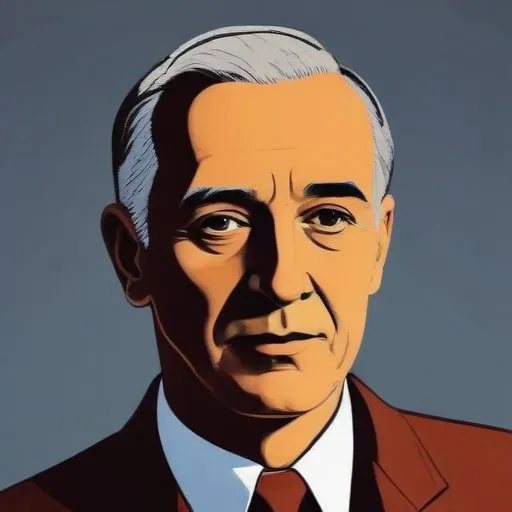
The Visionary Art Collector: Walter Conrad Arensberg
A Cryptic Legacy in Art and Literature
Walter Conrad Arensberg was a critically acclaimed American art collector, critic, and poet, renowned for his provocative interpretations of classic literature and art. His fascination with cryptography and codes led him to decipher hidden messages in the works of Dante and Shakespeare, sparking controversy and debate in the literary world.
Early Life and Education
Arensberg was born on April 4, 1878, in Pittsburgh, Pennsylvania, to Conrad Christian Arensberg, a successful steel company owner. He majored in English and philosophy at Harvard University, where he laid the foundations for his future literary pursuits.
A Life of Art and Literature
Arensberg's literary career took off with the publication of his book
The Cryptography of Dante in 1921, which presented a radical, Freudian interpretation of Dante's
Inferno. The book sparked a literary scandal, with critics and scholars debating the validity of his claims. Undeterred, Arensberg continued to explore cryptography in his subsequent works, including
The Cryptography of Shakespeare and
The Secret Grave of Francis Bacon and His Mother in the Lichfield Chapter House.
Poetic Pursuits
In addition to his cryptographic endeavors, Arensberg was a prolific poet, publishing several volumes of Symbolist-influenced verse, including
Poems (1914) and
Idols (1916). His poetry was anthologized by esteemed poet Edmund Clarence Stedman, and he also contributed to Dada magazines between 1917 and 1919.
Artistic Collaborations and Collections
Arensberg's love for art led him to collect and support various artistic endeavors, often in collaboration with his wife, Louise. Together, they amassed an impressive collection of modern art, featuring works by renowned artists such as
Marcel Duchamp, Constantin Brancusi, and Charles Sheeler.
Legacy and Controversy
Arensberg's cryptic interpretations and cryptographic methods have been met with both admiration and criticism. While some hailing him as a visionary, others have dismissed his theories as lacking cryptographic validity. Nevertheless, his contributions to the world of art and literature remain undeniable, and his legacy continues to inspire and intrigue scholars and artists alike.
Personal Milestones and Key Life Events
- Graduated from Harvard University (1900)
- Traveled to Europe (1900-1902)
- Returned to Harvard as a graduate student (1903)
- Moved to New York City to work as a cub reporter (1904-1906)
Influence on Modern Society
Arensberg's pioneering work in cryptography and art has paved the way for future generations of artists, writers, and cryptographers. His bold and unconventional approach to art and literature has inspired a new wave of creatives to push the boundaries of their craft.
Philosophical Contributions and Beliefs
Arensberg's fascination with cryptography and codes reflects his deep-seated interest in the mysteries of human consciousness and the hidden patterns that underlie our reality. His work embodies a profound respect for the power of art and literature to reveal and conceal, and to challenge our understanding of the world around us.
FAQ
What are Walter Conrad Arensbergs contributions to modern art?
Walter Conrad Arensberg was a prominent American art collector, critic, and poet who played a significant role in promoting modern art in the early 20th century. His collection of modern art, which included works by Marcel Duchamp, Francis Picabia, and other avant-garde artists, is considered one of the most important of its time. Sub-question: What was Arensbergs relationship with Marcel Duchamp?
What was Walter Conrad Arensbergs poetry style?
Walter Conrad Arensbergs poetry style was characterized by its use of imagery and symbolism, reflecting his interest in modern art and his associations with the Surrealist movement. His poetry often explored themes of love, nature, and the human condition, and was marked by its lyricism and musicality.
What was Walter Conrad Arensbergs role in the development of the Museum of Modern Art?
Walter Conrad Arensberg played a crucial role in the development of the Museum of Modern Art (MoMA) in New York City. He was one of the museums founding members and served on its board of directors, helping to shape its collection and direction.
What was Walter Conrad Arensbergs relationship with the Surrealist movement?
Walter Conrad Arensberg was a close friend and supporter of the Surrealist movement, which was led by artists such as André Breton and Salvador Dalí. He wrote essays and reviews on Surrealist art and literature, and his collection included many works by Surrealist artists.
What is Walter Conrad Arensbergs legacy in the art world?
Walter Conrad Arensbergs legacy in the art world is as a pioneering collector, critic, and poet who helped to shape the development of modern art in the early 20th century. His collection and writings continue to inspire artists, curators, and scholars today.